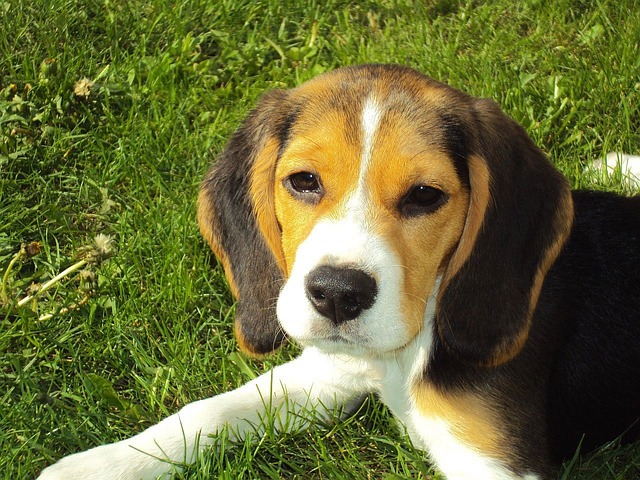
Understanding the specific reasons your puppy whines is the first step in effective training. Whining can stem from various causes, including seeking attention, expressing discomfort, or needing to relieve itself. Pay close attention to the context in which whining occurs. For instance, if your puppy whines when confined, it may indicate a need for more exercise or social interaction. Prioritize addressing the underlying issue rather than just the behavior itself.
Another common mistake is punishing the puppy for whining, which can increase anxiety and worsen the behavior. Instead, focus on positive reinforcement techniques. Reward your puppy when it is quiet, especially after a whining episode. This teaches them that calm behavior brings rewards, while whining does not. Keep in mind that consistency is key, and training should be adapted to your puppy’s unique personality and needs.
Identifying Triggers for Whining
Recognizing what prompts your puppy to whine is essential for effective training. Common triggers include loneliness, boredom, or a need to go outside. Observe your puppy’s behavior closely to determine if it whines during specific situations, such as when left alone or during playtime.
For instance, if your puppy whines when you leave the room, it may indicate separation anxiety. Addressing these triggers with gradual desensitization techniques can help your puppy feel more secure. Providing interactive toys or engaging them in play can also reduce boredom and alleviate whining.
It’s important to remember that each puppy is unique. What works for one may not work for another, so be patient and willing to adjust your approach based on your puppy’s specific needs and personality.
Effective Training Techniques
Training your puppy to stop whining requires consistent techniques that promote positive behavior. Start by establishing a routine that includes regular exercise, playtime, and bathroom breaks. This structure helps your puppy understand when to expect attention and reduces anxiety.
Positive reinforcement is a powerful tool in training. Whenever your puppy is quiet, reward them with treats or praise. This reinforces calm behavior and teaches your puppy that whining does not yield rewards. Over time, your puppy will learn to associate silence with positive outcomes.
Additionally, consider teaching your puppy a command like “quiet” or “enough.” Use this command when they start to whine, and reward them when they stop. This helps them understand the behavior you want to discourage while providing them with a clear alternative.
Environmental Considerations
The environment plays a significant role in your puppy’s behavior. A chaotic or noisy setting can contribute to anxiety and excessive whining. Make sure your puppy has a comfortable and quiet space where they can retreat when feeling overwhelmed.
Incorporating calming elements, such as a cozy bed or crate, can provide your puppy with a safe haven. Additionally, consider using white noise machines or calming music to drown out disruptive sounds that may trigger whining.
Remember, environmental factors can vary greatly from one household to another, so assess your home and make necessary adjustments to create a peaceful atmosphere for your puppy.
Common Mistakes to Avoid
Many puppy owners inadvertently reinforce whining by responding to it inappropriately. One common mistake is giving attention to a whining puppy, whether through petting or speaking to them. This can teach your puppy that whining is an effective way to gain attention.
Another mistake is failing to provide enough mental and physical stimulation. Puppies need regular exercise and engaging activities to prevent boredom. Ensure you dedicate time each day for walks, play, and training sessions to keep your puppy mentally stimulated.
Lastly, avoid using punishment as a solution. Negative reinforcement can lead to increased anxiety and worsen whining behavior. Instead, focus on positive training methods that encourage desired behaviors.
Further Reading
Authoritative Sources
- American Kennel Club
akc.orgTrusted dog training, behavior, breed, and puppy care guidance.
- American Veterinary Medical Association
avma.orgVeterinary guidance and animal health resources from a major professional association.
- ASPCA Pet Care
aspca.orgAnimal care, behavior, and safety resources for pet owners.
- Merck Veterinary Manual
merckvetmanual.comDetailed veterinary reference material on animal conditions, care, and treatment topics.
- AAHA for Pet Owners
aaha.orgPet owner guidance from the American Animal Hospital Association.
Frequently Asked Questions
Why does my puppy whine excessively?
Puppies often whine due to boredom, anxiety, or the need for attention. Identifying the specific trigger is key to addressing the behavior effectively.
How can I prevent my puppy from whining at night?
Establish a bedtime routine and provide a comfortable sleeping area. Ensure your puppy has exercised before sleeping to reduce restlessness.
Is it okay to ignore my puppy when it whines?
Ignoring the whining can reinforce the behavior if the puppy learns it gets attention this way. Instead, focus on positive reinforcement for quiet behavior.
How long does it take to train a puppy to stop whining?
Training duration varies based on the individual puppy and the consistency of training. With dedication, noticeable improvements can occur within a few weeks.
What are some effective distractions for a whining puppy?
Interactive toys, puzzle feeders, and regular playtime can engage your puppy’s mind and help reduce whining due to boredom.
Conclusion
Training your puppy to stop whining involves understanding the underlying causes, employing effective training techniques, and creating a supportive environment. Prioritize identifying triggers and addressing them with positive reinforcement. Remember, patience and consistency are essential in this process. By fostering a calm and structured environment, you can significantly reduce your puppy’s whining and build a stronger bond with your furry companion.