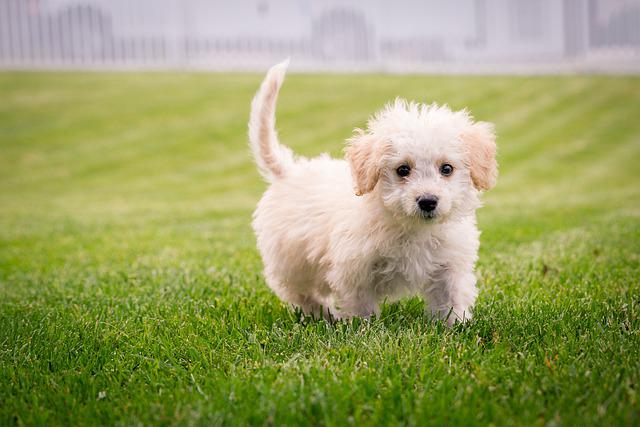
Socialization is critical in teaching a puppy to be gentle. By exposing your puppy to various environments, people, and other animals, you help them learn appropriate behavior in different contexts. Avoid overwhelming your puppy, as too much stimulation can lead to anxiety and aggressive responses. Gradually introduce them to new experiences, rewarding calm behavior with treats and praise to reinforce gentleness.
Another important aspect is managing playtime. Puppies often play rough, which can escalate to biting or jumping. Establish boundaries by interrupting rough play and redirecting their energy towards gentler activities. This process requires consistency and patience; many owners fail because they do not enforce the rules consistently. Instead of allowing rough play to continue, actively engage your puppy in gentle games, using toys that encourage soft interactions.
Understanding Puppy Behavior
Puppies are naturally energetic and curious, which can sometimes lead to overly aggressive play. Understanding the underlying motivations for your puppy’s behavior is crucial. They are not inherently aggressive but are often just testing boundaries and exploring their environment. This phase of development is vital, and how you respond will shape their behavior in the long run.
Recognizing the signs of overstimulation or excitement can help you intervene before rough play escalates. Puppies may show signs of biting, growling, or excessive jumping when they are overly excited. Instead of punishing these behaviors, redirect their energy towards more appropriate outlets such as chew toys or softer play options.
Establishing a routine can help your puppy understand when it’s time to play and when to be calm. Consistent schedules for training, playtime, and rest will reinforce desired behaviors and help your puppy learn when to be gentle.
Effective Training Techniques
Using positive reinforcement is one of the most effective techniques for teaching a puppy to be gentle. This method involves rewarding your puppy when they exhibit calm behavior or gentleness. Treats, praise, and affection can be powerful motivators. When your puppy plays gently or interacts softly, immediately reward them to reinforce that behavior.
Incorporating training sessions into your daily routine can also help. Short, focused sessions that teach commands like “gentle” or “easy” can be beneficial. Use these commands consistently during play to help your puppy associate them with the desired behavior. If they start to bite or play too roughly, use a firm voice to remind them of the command and redirect their attention to a toy.
Additionally, consider enrolling your puppy in a socialization class or playgroup. These environments provide structured opportunities for your puppy to learn proper play behavior from other dogs and trainers. Watching and interacting with other dogs can teach them what is acceptable and what is not.
Common Mistakes to Avoid
One of the most common mistakes owners make is allowing rough play to continue unchecked. This behavior can reinforce aggressive tendencies, making it harder to train your puppy to be gentle. Establishing clear boundaries and consistently redirecting inappropriate behavior is key to avoiding this pitfall.
Another mistake is using negative reinforcement or punishment. This approach can lead to fear and anxiety, which may exacerbate aggressive behavior. Instead, focus on positive reinforcement and redirection to encourage gentleness. Patience and consistency are vital; training takes time, and puppies learn at their own pace.
Lastly, neglecting socialization can hinder your puppy’s ability to learn gentle behavior. Without exposure to different people, pets, and environments, puppies may not develop the necessary skills to interact calmly. Make socialization a priority, gradually introducing your puppy to new experiences while reinforcing gentle behavior.
Further Reading
Authoritative Sources
- Puppy Training Tips
akc.orgThis resource offers comprehensive training tips and techniques for new puppy owners
- Puppy Training Tips from the Humane Society
humanesociety.orgA useful guide that covers essential training methods and socialization practices
- ASPCA Dog Training Resources
aspca.orgOffers valuable information on dog training, including behavior management techniques
Frequently Asked Questions
What age should I start training my puppy to be gentle?
Begin training as soon as you bring your puppy home, typically around 8 weeks of age, as early socialization and training are critical for developing good behavior.
How can I tell if my puppy is playing too rough?
If your puppy is biting hard, growling, or jumping excessively, these are signs they may be playing too rough. Redirect their behavior to a toy or softer play.
Is it normal for puppies to bite?
Yes, biting is a normal behavior for puppies as they explore their environment, but it’s important to teach them to be gentle to prevent aggressive tendencies.
What should I do when my puppy bites me?
When your puppy bites, immediately stop playing and withdraw attention. Redirect them to a toy and reward gentle interactions to reinforce positive behavior.
How long does it take to train a puppy to be gentle?
The time it takes varies by puppy, but consistent training and reinforcement can lead to noticeable improvements within a few weeks to a few months.
Conclusion
Training your puppy to be gentle is essential for their development and your peace of mind. Prioritize positive reinforcement, consistent socialization, and clear boundaries to foster gentleness. Avoid common mistakes like allowing rough play or using negative reinforcement. Remember that patience is key; training takes time and dedication. By establishing a routine and consistently rewarding gentle behavior, you will help your puppy grow into a well-mannered companion. Start today by redirecting rough interactions and reinforcing the gentle behavior you want to see.