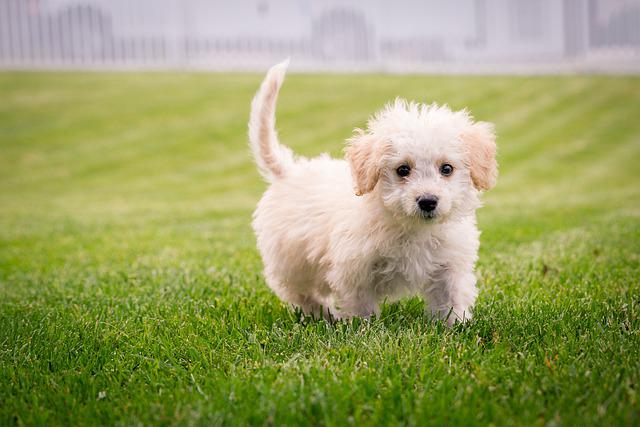
Creating a comfortable environment is essential. Place soft bedding and a favorite toy inside the crate to make it inviting. Gradually increase the time your puppy spends inside, starting with short periods and building up as they become more comfortable. Monitor their behavior closely, ensuring they do not show signs of distress. This approach fosters a positive association with the crate, making the training process smoother.
A common mistake is rushing the process. Puppies need time to adjust to their new environment and the crate. If they cry or whine, resist the urge to let them out immediately, as this can reinforce negative behavior. Instead, wait for a moment of quiet before opening the door. This teaches your puppy that calm behavior is rewarded, leading to a more relaxed training experience.
Understanding Your Puppy’s Needs
Understanding your puppy’s needs is crucial for effective crate training. Puppies are social animals and often feel anxious when separated from their owners. To ease this, ensure that the crate is seen as a safe space where they can relax. Recognizing signs of stress, such as excessive barking or attempts to escape, can help you adjust your training approach.
Puppies thrive on routine. Establishing a consistent schedule for feeding, playtime, and crate time creates a sense of security for your puppy. This predictability helps them adapt to the crate more easily. Additionally, being aware of their natural instincts, like the desire to den, can guide you in making the crate a comfortable retreat.
Many owners overlook the importance of socialization. Introduce your puppy to various environments and experiences outside the crate. This helps build their confidence and reduces anxiety when they are crated. A well-socialized puppy is more likely to accept crate training without stress.
Setting Up the Crate Properly
Setting up the crate properly is a vital step in creating a stress-free environment for your puppy. Choose a crate that is appropriately sized; it should be large enough for your puppy to stand, turn around, and lie down comfortably but not so big that they feel insecure. A crate that is too large may encourage them to eliminate inside.
Make the crate inviting by adding soft bedding and a few toys. Consider placing the crate in a location where your puppy feels comfortable and can see family activities. This visibility helps reduce feelings of isolation, making them more willing to enter the crate. Additionally, using a crate cover can create a cozy den-like atmosphere, further encouraging your puppy to view it as a safe space.
It’s essential to regularly clean the crate and bedding. Puppies can be messy, especially during the house-training phase. Keeping the crate clean not only maintains hygiene but also ensures your puppy remains comfortable and happy inside their crate.
Gradual Introduction to the Crate
A gradual introduction to the crate is key to successful training. Start by allowing your puppy to explore the crate at their own pace. Leave the door open and encourage them to enter by placing treats or toys inside. This non-threatening approach helps them associate the crate with positive experiences.
Once your puppy is comfortable entering the crate, begin closing the door for short periods while you are nearby. Gradually increase the duration as your puppy adjusts. Use positive reinforcement, such as treats and praise, when they remain calm inside. This method builds their confidence and reduces anxiety about being confined.
It’s important to avoid forcing your puppy into the crate or leaving them in for extended periods too soon. This can create negative associations, leading to stress and resistance. Patience and consistency are essential, as every puppy learns at their own pace. Celebrate small victories, and remember that a relaxed puppy is more likely to embrace crate training.
Common Mistakes to Avoid
Avoiding common mistakes can significantly enhance the crate training experience. One frequent error is using the crate as punishment. This can cause fear and anxiety, making your puppy reluctant to enter. Instead, focus on creating a positive environment that encourages exploration and comfort.
Another mistake is leaving the puppy in the crate for too long. Puppies have small bladders and need regular breaks. Ensure they have opportunities to relieve themselves and engage in playtime outside the crate. Keeping crate time balanced with play and social interaction helps prevent feelings of isolation.
Lastly, be mindful of your responses to your puppy’s vocalizations. If they whine or bark, avoid letting them out immediately, as this can reinforce the behavior. Instead, wait for a moment of quiet before opening the crate. This teaches them that calm behavior leads to rewards, promoting a more relaxed crate training experience.
Further Reading
Authoritative Sources
- American Kennel Club
akc.orgTrusted dog training, behavior, breed, and puppy care guidance.
- American Veterinary Medical Association
avma.orgVeterinary guidance and animal health resources from a major professional association.
- ASPCA Pet Care
aspca.orgAnimal care, behavior, and safety resources for pet owners.
- Merck Veterinary Manual
merckvetmanual.comDetailed veterinary reference material on animal conditions, care, and treatment topics.
- AAHA for Pet Owners
aaha.orgPet owner guidance from the American Animal Hospital Association.
Frequently Asked Questions
How long does it take to crate train a puppy?
Crate training can take anywhere from a few days to several weeks, depending on the puppy’s temperament and previous experiences. Consistency and positive reinforcement are key.
Should I cover the crate at night?
Covering the crate at night can create a den-like environment, helping your puppy feel more secure. Ensure the cover allows for airflow and visibility.
Can I use the crate for house training?
Yes, the crate can be an effective tool for house training. Puppies are less likely to eliminate in their sleeping area, helping them learn bladder control.
What if my puppy hates the crate?
If your puppy dislikes the crate, reassess the setup and ensure it is inviting. Gradually introduce them to the crate using treats and praise to build positive associations.
How do I know if my puppy is comfortable in the crate?
A comfortable puppy will enter the crate willingly, settle down, and remain calm. Signs of distress, such as excessive barking or attempts to escape, indicate the need for a different approach.
Conclusion
Crate training a puppy without stress is achievable with the right approach. Focus on creating a safe, inviting environment and introduce the crate gradually. Avoid common mistakes, such as using the crate as punishment or leaving your puppy in for too long. Prioritize consistency and positive reinforcement to foster a positive relationship with the crate. With patience and care, your puppy will learn to see the crate as a comfortable sanctuary, making the training process enjoyable for both of you.