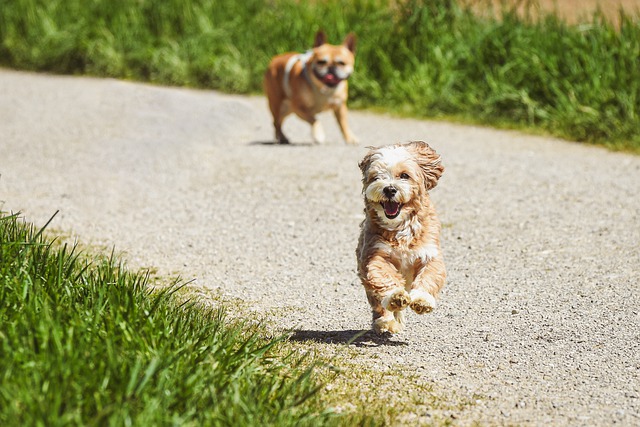
Establishing a consistent routine is vital for success. Puppies benefit from regular feeding, play, and potty breaks, which helps them learn when and where to relieve themselves. Utilize positive reinforcement methods, such as treats and praise, to encourage desirable behaviors. This not only strengthens your bond but also builds your puppy’s confidence in navigating their apartment environment.
One common mistake is underestimating the importance of socialization. In an apartment, it’s easy to keep your puppy indoors, but exposure to different people, dogs, and situations is essential for their development. Plan regular outings to parks or pet-friendly areas, and invite friends or neighbors over to expose your puppy to various stimuli.
Creating a Training Schedule
A well-defined training schedule is the foundation of successful puppy training in an apartment. Establish specific times for feeding, potty breaks, and training sessions to create a sense of routine. This predictability helps your puppy understand what to expect, reducing anxiety and promoting good behavior.
Consider incorporating short, focused training sessions throughout the day, lasting around 5-10 minutes each. Puppies have short attention spans, so frequent, brief sessions are often more effective than longer ones. Use these moments to teach basic commands, reinforce good behavior, and practice leash walking in the apartment.
Additionally, monitor your puppy’s progress and adjust the schedule as needed. If your puppy struggles with specific commands or routines, revisit those areas more frequently until they become comfortable.
Effective Potty Training Techniques
Potty training is often one of the most pressing concerns for apartment dwellers. To effectively potty train your puppy, choose a designated spot outside where they can relieve themselves. Take them to this spot consistently after meals, playtime, or naps to reinforce the behavior.
Utilize crate training as a helpful tool. Puppies naturally avoid soiling their sleeping area, so a crate can encourage them to hold it until they are taken outside. Ensure the crate is appropriately sized, allowing your puppy to stand up and turn around comfortably.
Be patient and consistent with your approach. Accidents will happen, but it’s essential to avoid punishment. Instead, clean up messes thoroughly to remove any lingering odors that might encourage repeat behavior.
Socialization Strategies for Apartment Living
Socialization is critical for puppies, helping them develop into well-adjusted adults. In an apartment setting, proactive socialization is necessary to expose your puppy to various people, pets, and environments. Organize playdates with other dogs, visit dog parks, or attend puppy classes to facilitate interactions.
Additionally, incorporate different experiences into your routine. Take your puppy on car rides, introduce them to various sounds (like doorbells and vacuum cleaners), and expose them to different surfaces and textures. This varied exposure helps reduce fear and anxiety in new situations.
Remember that socialization should be a positive experience. Always reward your puppy for calm behavior and gradually increase the complexity of situations as they become more comfortable.
Managing Noise Sensitivity
Living in an apartment often means encountering various noises, which can be challenging for some puppies. To help your puppy adjust, gradually expose them to different sounds, such as traffic, doorbells, and neighbors. Start with low volumes and gradually increase as they become more accustomed.
Provide a safe space where your puppy can retreat when feeling overwhelmed. This space should be cozy and free from distractions, allowing them to relax. Consider using calming aids, such as white noise machines or anxiety wraps, to help soothe them during particularly loud times.
It’s also essential to remain calm yourself. Puppies can pick up on their owner’s anxiety, so maintaining a relaxed demeanor will help instill confidence in your puppy.
Further Reading
For those looking to delve deeper into training methodologies and resources, consider exploring reputable sources dedicated to dog training and behavior. Books by renowned trainers and organizations such as the American Kennel Club provide valuable insights into effective training techniques.
Further Reading
Authoritative Sources
- American Kennel Club
akc.orgTrusted dog training, behavior, breed, and puppy care guidance.
- American Veterinary Medical Association
avma.orgVeterinary guidance and animal health resources from a major professional association.
- ASPCA Pet Care
aspca.orgAnimal care, behavior, and safety resources for pet owners.
- Merck Veterinary Manual
merckvetmanual.comDetailed veterinary reference material on animal conditions, care, and treatment topics.
- AAHA for Pet Owners
aaha.orgPet owner guidance from the American Animal Hospital Association.
Frequently Asked Questions
What is the best age to start training my puppy?
Begin training your puppy as soon as you bring them home, ideally around 8 weeks old. Early training helps establish good habits and socialization.
How can I prevent my puppy from barking excessively?
To reduce excessive barking, identify the triggers and address them. Training commands like ‘quiet’ and rewarding calm behavior can help.
How often should I walk my puppy in an apartment?
Puppies generally need multiple walks each day. Aim for at least three walks, along with playtime indoors, to meet their exercise needs.
What should I do if my puppy has accidents indoors?
Clean up accidents thoroughly and avoid punishment. Instead, focus on reinforcing outdoor potty breaks and maintaining a consistent schedule.
Can I train my puppy without a yard?
Yes! You can successfully train a puppy in an apartment by utilizing nearby parks, socializing in pet-friendly areas, and establishing a consistent routine.
Conclusion
Training a puppy in an apartment setting requires dedication and adaptability. Prioritize establishing a consistent routine, effective potty training methods, and socialization opportunities to ensure your puppy thrives in their environment. Addressing common challenges like noise sensitivity will further enhance their comfort and confidence. Remember to be patient and maintain a positive attitude throughout the training process. With the right approach, your apartment can be a harmonious home for both you and your furry companion.