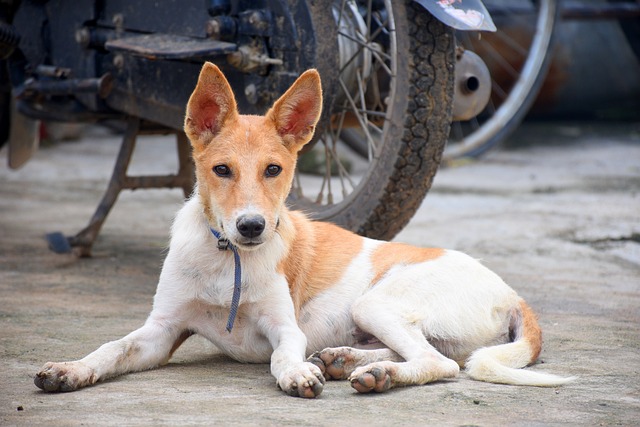
Understanding your puppy’s natural instincts is crucial in this training process. Puppies are often excited by new people, which can lead to jumping, barking, or hyperactivity. Recognizing this behavior helps you address it effectively. Start by training your puppy to respond to basic commands like “sit” and “stay” before introducing them to guests. This foundation will make it easier to manage their behavior in social situations.
Common mistakes include not setting clear boundaries or allowing your puppy to greet guests freely without any guidance. It’s important to reinforce calmness before, during, and after guests arrive. For instance, practice having your puppy sit or lie down when guests enter and only allow them to greet visitors when they are calm. This teaches your puppy that being relaxed is the desired behavior.
Understanding Your Puppy’s Behavior
Recognizing the reasons behind your puppy’s excitement when guests arrive is the first step in training them to remain calm. Puppies are naturally curious and may view visitors as playmates or sources of stimulation. This instinctual behavior can lead to jumping, barking, and overall hyperactivity. Understanding these triggers allows you to develop a training strategy that addresses their behavior effectively.
To help your puppy learn to stay calm, it’s essential to create a calm environment when guests arrive. This might involve keeping your puppy on a leash or in a designated area where they can observe but not directly interact with guests until they are settled. By managing their environment, you set them up for success and help them learn appropriate behavior.
Additionally, consider the time of day when guests arrive. If your puppy is easily excitable, inviting guests over during their usual playtime may exacerbate their hyperactivity. Instead, schedule visits during quieter times when your puppy is more likely to be relaxed and receptive to training.
Setting Up for Success
Preparation is key to successful training. Before guests arrive, ensure your puppy has had adequate exercise to help reduce excess energy. A long walk or play session can help calm them down before the excitement of new visitors. This physical activity can make a significant difference in their behavior when guests arrive.
Establish a designated area for your puppy during guest visits. This could be a crate, a gated room, or a specific spot in the house where they feel comfortable. Ensure that this space contains their favorite toys and bedding to create a safe haven. This helps your puppy feel secure and reduces anxiety when guests enter your home.
When guests arrive, instruct them to ignore your puppy until they have settled down. This teaches your puppy that calm behavior is rewarded with attention. If your puppy becomes overly excited, consider redirecting their focus with a toy or treat until they calm down. This approach reinforces the idea that calmness leads to positive interactions.
Positive Reinforcement Techniques
Positive reinforcement is one of the most effective methods for training a puppy to stay calm around guests. Use treats, praise, and affection to reward your puppy for calm behavior. For example, when your puppy remains seated or lying down as guests arrive, immediately offer a treat and verbal praise. This reinforces the behavior you want to encourage.
Additionally, consider using a clicker to mark desired behaviors. When your puppy is calm, use the clicker followed by a treat to create a strong association between the click sound and positive reinforcement. This technique can significantly enhance your training efforts, making it clear to your puppy what behavior is being rewarded.
Consistency is essential in positive reinforcement training. Ensure that everyone in the household is on the same page regarding training methods. This consistency helps your puppy learn faster and prevents confusion about what behaviors are acceptable.
Common Mistakes to Avoid
One common mistake is allowing your puppy to greet guests too soon. If they are still hyperactive, this can reinforce unwanted behavior. Instead, wait until your puppy is calm before allowing them to interact with visitors. This teaches them that calmness leads to positive experiences.
Another mistake is using negative reinforcement or punishment, which can create anxiety and fear. This approach can worsen behavioral issues and damage the bond between you and your puppy. Focus on rewarding positive behaviors instead of punishing negative ones.
In summary, be patient with your puppy. Training takes time and consistency. If your puppy struggles to remain calm, reassess your training techniques and make adjustments as needed. Remember that every puppy learns at their own pace.
Further Reading
Authoritative Sources
- Puppy Training Tips
akc.orgThis resource offers practical tips for training puppies, including techniques for managing excitement around guests
- Dog Training Basics
aspca.orgASPCA provides insights into effective dog training methods and the importance of positive reinforcement
- Cesar's Way Dog Training
cesarsway.comCesar Millan shares dog training principles that emphasize calmness and structure for effective behavior modification
Frequently Asked Questions
How long does it take to train a puppy to stay calm around guests?
The time it takes to train a puppy varies based on their temperament and your consistency. With regular practice, you can see improvements in a few weeks.
What should I do if my puppy won’t calm down around guests?
If your puppy struggles to calm down, consider increasing their exercise before guests arrive and use more structured training techniques.
Can I use negative reinforcement to train my puppy?
Negative reinforcement can lead to fear and anxiety. It’s best to focus on positive reinforcement to encourage calm behavior.
How can I help my puppy associate guests with positive experiences?
Encourage guests to bring treats or toys to reward your puppy for calm behavior, reinforcing the idea that visitors are a positive presence.
Is it normal for puppies to be excited around new people?
Yes, it’s typical for puppies to be excited around new people. Training helps them learn to manage that excitement appropriately.
Conclusion
Training your puppy to stay calm around guests is a gradual process that requires patience, consistency, and positive reinforcement. Start with understanding your puppy’s behavior and establish a calm environment. Utilize techniques like positive reinforcement and structured introductions to guests. Avoid common mistakes like rushing interactions or using negative reinforcement. With time and dedication, your puppy will learn to remain calm, making visits enjoyable for everyone.