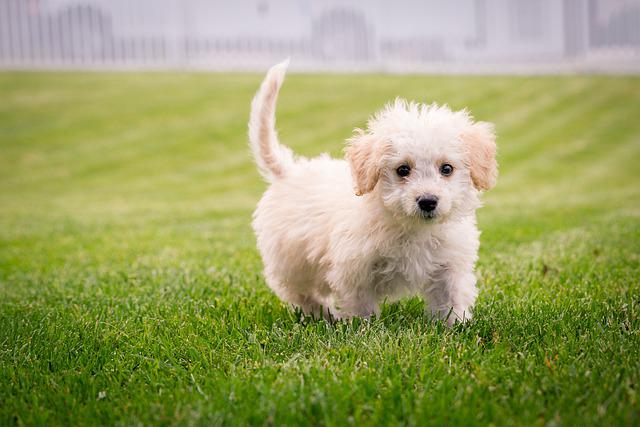
Puppy training often fails without a structured approach, which provides consistency and clear expectations. Structure helps establish routines, reinforces positive behaviors, and aids in addressing issues effectively.
Many owners underestimate the importance of a well-defined training structure. Without it, training sessions can become inconsistent, leading to mixed signals for the puppy. This inconsistency can cause confusion, making it difficult for the puppy to learn and retain commands. Additionally, without a routine, owners may inadvertently reinforce unwanted behaviors, complicating the training process.
A common mistake many owners make is treating training as an occasional activity rather than an ongoing process. Training should be integrated into daily life, allowing puppies to learn continuously. This means utilizing everyday situations as training opportunities and ensuring that each interaction is purposeful and structured.
Establishing a Training Routine
Creating a consistent training routine is crucial for effective puppy training. A routine helps set clear expectations for the puppy, allowing them to understand when and what is expected of them. This could include designated times for training sessions, play, and rest.
When establishing a routine, consider the puppy’s natural behavior and energy levels. For example, training sessions might be more effective after a walk when the puppy is alert and ready to learn. Structuring training around these natural rhythms can enhance focus and retention.
Additionally, incorporating training into daily activities can help reinforce learning. Using mealtime or playtime as training opportunities allows for natural reinforcement of commands and behaviors, making the learning process more seamless.
Common Mistakes in Puppy Training
Many owners make common mistakes that hinder the effectiveness of their training efforts. One prevalent issue is inconsistency in commands and expectations. When different family members use varied commands for the same behavior, it confuses the puppy, making learning difficult.
Another mistake is neglecting to reward positive behavior promptly. Timing is critical in training; rewards should be given immediately after the desired behavior to reinforce learning effectively. Delayed rewards can lead to confusion about what behavior is being rewarded.
Additionally, owners often overlook the importance of patience. Training takes time, and expecting immediate results can lead to frustration for both the owner and the puppy. Understanding that learning is a gradual process can help maintain realistic expectations.
The Role of Consistency
Consistency is a cornerstone of successful puppy training. It ensures that the puppy receives the same message regarding expected behaviors, which helps build a solid foundation for learning. This includes using the same verbal commands and hand signals consistently.
Moreover, maintaining a consistent approach to rewards and corrections is vital. If a puppy is rewarded one day for a specific behavior and corrected the next, it creates confusion. Consistency in reinforcement helps the puppy understand what behaviors are acceptable and which are not.
Additionally, owners should remain consistent in their own behavior. If an owner allows certain behaviors one day but not the next, it sends mixed signals to the puppy. Establishing clear boundaries and adhering to them will foster a more effective training environment.
Adapting Training to Your Puppy
Every puppy is unique, and training should be adapted to fit their individual needs. Factors such as breed, age, and personality can influence how a puppy learns best. Understanding these factors can help create a more effective training structure.
For instance, some breeds may require more physical activity than others. Incorporating play and exercise into training can help keep a puppy engaged and focused. Similarly, younger puppies may have shorter attention spans, so training sessions should be brief yet frequent.
It’s also essential to remain flexible and adjust training methods based on the puppy’s progress. If a particular approach isn’t working, don’t hesitate to try different techniques or seek guidance from a professional trainer.
Further Reading
Authoritative Sources
- American Kennel Club
akc.orgTrusted dog training, behavior, breed, and puppy care guidance.
- American Veterinary Medical Association
avma.orgVeterinary guidance and animal health resources from a major professional association.
- ASPCA Pet Care
aspca.orgAnimal care, behavior, and safety resources for pet owners.
- Merck Veterinary Manual
merckvetmanual.comDetailed veterinary reference material on animal conditions, care, and treatment topics.
- AAHA for Pet Owners
aaha.orgPet owner guidance from the American Animal Hospital Association.
Frequently Asked Questions
What is the most common reason puppy training fails?
Inconsistency in training methods and commands is the most common reason puppy training fails, leading to confusion and ineffective learning.
How often should I train my puppy?
Puppies should be trained multiple times a day in short sessions, ideally 5-10 minutes each, to maintain focus and engagement.
Can I train my puppy without professional help?
Yes, many owners successfully train their puppies at home using structured methods and resources, but professional help can provide additional guidance.
What should I do if my puppy isn’t responding to training?
If your puppy isn’t responding, review your training methods for consistency and effectiveness, and consider adjusting your approach or seeking professional help.
How important is socialization in puppy training?
Socialization is crucial as it helps puppies learn to interact appropriately with other dogs and people, reducing behavioral issues later on.
Conclusion
Understanding why puppy training fails without structure is vital for successful outcomes. Establishing a consistent routine, avoiding common mistakes, and adapting to your puppy’s unique needs are essential steps in the training process. By prioritizing a structured approach, you can enhance your puppy’s learning experience, leading to a well-behaved and happy companion. Start today by implementing these strategies and watch your puppy thrive in their training journey.