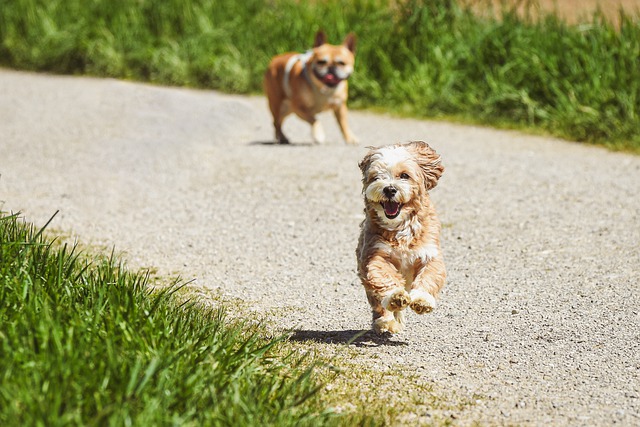
Training a puppy to sit and stay is not just about teaching commands; it’s about building a foundation of trust and communication between you and your furry friend. These commands are essential for your puppy’s safety and help establish good behavior patterns. By using positive reinforcement techniques and maintaining a consistent approach, you can achieve remarkable results.
However, many new puppy owners underestimate the importance of timing and patience in training. Common pitfalls include overloading the puppy with commands too quickly or failing to reward desired behaviors consistently. Understanding your puppy’s learning pace and environment can significantly impact training success.
Understanding the Basics of Puppy Training
Before diving into specific commands, it’s crucial to grasp the foundational principles of puppy training. Puppies thrive on routine and clear communication. Establishing a structured environment helps them understand what is expected. When training, the key is to keep sessions short and engaging to maintain your puppy’s interest.
Moreover, consider the environment where training takes place. Start in a quiet, distraction-free space before gradually introducing more stimuli. This approach helps puppies learn commands effectively without becoming overwhelmed. Remember, a calm puppy is more receptive to learning.
Step-by-Step Guide to Teaching ‘Sit’
The command ‘sit’ is one of the easiest and most beneficial commands to teach your puppy. This command can help manage behavior in various situations, from greeting guests to waiting for meals. Begin by holding a treat close to your puppy’s nose, then slowly move your hand upwards. As the puppy’s head follows the treat, their bottom will lower to the ground.
Once your puppy is sitting, immediately reward them with the treat and verbal praise. Consistency is key; repeat this process several times in short bursts. If your puppy struggles, ensure they understand the connection between the command and the action. Avoid frustration; instead, break down the steps further if needed.
Implementing the ‘Stay’ Command Successfully
Once your puppy has mastered ‘sit’, the next logical step is the ‘stay’ command. This command is crucial for safety, as it keeps your puppy in place during potentially dangerous situations. Start by asking your puppy to sit, then open your palm in front of them and say ‘stay’. Take a step back while maintaining eye contact.
If your puppy remains seated, reward them promptly. If they move, gently guide them back to the starting position without scolding. Gradually increase the distance and duration of the stay command. This process requires patience; some puppies may take longer to grasp the concept. Always remember to reward progress, no matter how small.
Common Mistakes and How to Avoid Them
Training a puppy can be challenging, and many owners fall into common traps that hinder progress. One frequent mistake is inconsistency in commands and rewards. Ensure that everyone in the household uses the same commands and rewards to avoid confusing your puppy.
Another common issue is not setting realistic expectations. Puppies have varying attention spans, and trying to train for too long can lead to frustration for both you and your puppy. Prioritize short, frequent sessions over long, infrequent ones. Lastly, avoid negative reinforcement; it can damage the bond you are building with your puppy. Always focus on positive reinforcement to encourage desired behaviors.
Further Reading
Authoritative Sources
- Teach Your Puppy These 5 Basic Cues
akc.orgOnce your dog can stay in a sit for several seconds, you can begin adding distance; Place them in a sit and say “stay,” take one step back …
- How to Train a Puppy to Sit and Stay
thesprucepets.comYour puppy needs to learn to “sit" and "stay" on command as a form of polite doggy behavior. These commands are useful in order to teach positive obedience.
- How to train a dog to stay
rspca.org.ukA six-step guide to teaching a dog to stay · Ask your dog to lie down. · Give your dog a hand signal – for example, a 'stop' sign with the palm of your hand …
- American Veterinary Medical Association
avma.orgVeterinary guidance and animal health resources from a major professional association.
- ASPCA Pet Care
aspca.orgAnimal care, behavior, and safety resources for pet owners.
- Merck Veterinary Manual
merckvetmanual.comDetailed veterinary reference material on animal conditions, care, and treatment topics.
- AAHA for Pet Owners
aaha.orgPet owner guidance from the American Animal Hospital Association.
Frequently Asked Questions
How long does it take to train a puppy to sit and stay?
Training time varies by puppy, but with consistent practice, many puppies can learn basic commands like ‘sit’ and ‘stay’ within a few weeks.
What if my puppy doesn’t respond to training?
If your puppy struggles, consider adjusting your approach, reducing distractions, or consulting with a professional trainer for tailored guidance.
Can older dogs learn these commands too?
Yes, older dogs can learn commands just as effectively as puppies. The key is patience and consistent reinforcement.
What rewards work best for training?
High-value treats, toys, or praise are effective rewards. Choose rewards that your puppy finds particularly motivating.
How do I handle distractions during training?
Start training in a distraction-free environment, then gradually introduce distractions as your puppy becomes more confident in their commands.
Conclusion
To wrap up, training a puppy to sit and stay is a rewarding process that establishes essential boundaries and safety. By focusing on positive reinforcement, maintaining consistency, and being patient, you will help your puppy learn effectively. Remember to celebrate small victories along the way and adjust your methods as needed to suit your puppy’s unique personality. With dedication and love, you can foster a well-behaved companion.