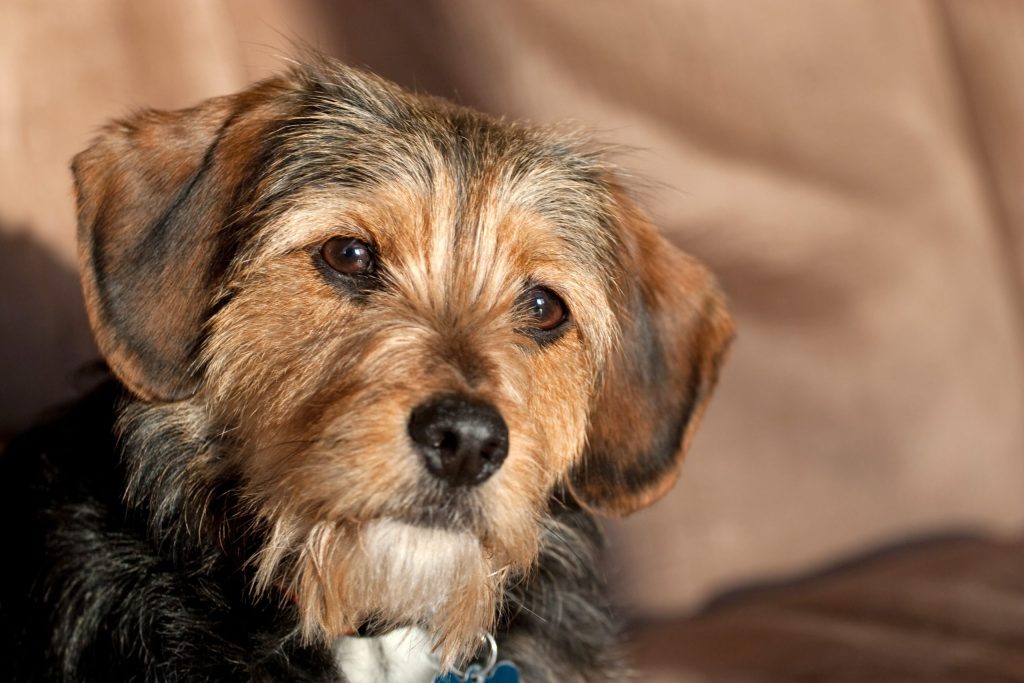
Training a puppy to be gentle is not just about stopping nippy behavior; it’s about instilling a lifelong understanding of gentle interactions. This process involves using positive reinforcement to encourage calmness and gentleness in various situations. The key is consistency and patience, allowing your puppy to learn in a supportive environment.
Many owners mistakenly assume that correcting rough play with punishment will yield gentler behavior. However, this approach often backfires, leading to anxiety and confusion in your puppy. Instead, focus on rewarding gentle behavior with treats and praise, creating a positive feedback loop that reinforces desired actions. Understanding your puppy’s energy levels and triggers will also play a crucial role in training.
Understanding Puppy Behavior
To effectively train your puppy to be gentle, it’s essential to understand their natural instincts and behaviors. Puppies, like all young animals, are naturally curious and energetic. They explore the world through their mouths, which can sometimes lead to rough play. Recognizing this exploratory behavior is critical to shaping it into gentler actions.
Many owners overlook the importance of recognizing their puppy’s body language. Puppies often communicate their feelings through their posture and expressions. Understanding when your puppy is excited or overstimulated can help you intervene before play escalates into roughness. Pay attention to signs of discomfort or overexcitement, as these can guide your training approach.
Positive Reinforcement Techniques
Positive reinforcement is a cornerstone of effective puppy training. This method involves rewarding your puppy for desired behaviors, which encourages them to repeat those actions. When teaching gentleness, use treats, toys, or praise to reward your puppy immediately after they exhibit gentle behavior, such as playing softly with you or another dog.
Timing is crucial. The reward should be given right after the gentle action occurs to help your puppy make the connection. Additionally, vary the types of rewards to keep your puppy engaged and motivated. Over time, you can phase out treats and rely more on verbal praise and affection as your puppy learns to associate gentleness with positive outcomes.
Socialization and Controlled Interactions
Socialization plays a vital role in teaching your puppy how to interact gently with others. Expose your puppy to various environments, people, and other animals from a young age. Controlled interactions with other dogs can help your puppy learn boundaries and appropriate play styles.
Supervised playdates with calm, well-mannered dogs can provide excellent opportunities for your puppy to learn gentleness. During these interactions, monitor their behavior closely and intervene if play becomes too rough. Use these moments to redirect your puppy towards gentler play, reinforcing the positive behaviors you want to see.
Common Mistakes to Avoid
One of the most common mistakes owners make is punishing their puppy for rough behavior. This can lead to fear and anxiety, making the problem worse. Instead of punishment, focus on redirecting their energy and providing positive reinforcement for gentle actions.
Another pitfall is failing to recognize signs of overstimulation. If your puppy becomes overly excited, they may resort to rough play. Learn to identify these signals and take breaks during playtime to help your puppy calm down. Consistent training and awareness of your puppy’s emotional state can significantly improve their ability to play gently.
Further Reading
Authoritative Sources
- How to Train Your Puppy to Take Treats Gently
bluebuffalo.comOffer the treat to your buddy and say “gentle.” If your puppy takes the treat gently, give praise. If your puppy lunges or is rough in any way, tuck the treat …
- Ouch! Teach Your Puppy To Be Gentle With Their Teeth
mccanndogs.comOuch! Teach Your Puppy To Be Gentle With Their Teeth · 1 – Start with bland food · 2 – Use good holding technique · 3 – Be quick to reinforce either way! · 4 – …
- 5 Ways to Train Your Dog to be Gentle with Guests
mypetsies.comReward your dog with a treat and praise when she calmly sits by you or your guest on the floor, lays in her bed, or sits calmly nearby.
- How to Train Your Dog to Be Gentle
wagwalking.comDogs should be taught to take treats from your hand gently and calmly, and that play does not involve mouthing, scratching, jumping, or grabbing your arm or …
- American Kennel Club
akc.orgTrusted dog training, behavior, breed, and puppy care guidance.
- American Veterinary Medical Association
avma.orgVeterinary guidance and animal health resources from a major professional association.
- ASPCA Pet Care
aspca.orgAnimal care, behavior, and safety resources for pet owners.
Frequently Asked Questions
What age should I start training my puppy to be gentle?
Begin training as soon as you bring your puppy home. Early socialization and gentle training techniques are crucial for instilling good behavior.
How long does it take to train a puppy to be gentle?
The timeframe varies by puppy and consistency in training, but with regular practice, you should see noticeable improvements within a few weeks.
Can I train an older dog to be gentle?
Yes, older dogs can learn new behaviors, though it may take more time and patience. Consistent positive reinforcement is key.
What should I do if my puppy continues to be rough?
Reassess your training methods and ensure you’re providing enough positive reinforcement. Consider seeking help from a professional trainer if needed.
Are there specific breeds that are more difficult to train for gentleness?
While individual temperament varies, some breeds are more energetic and may require more structured training. Focus on early socialization for all breeds.
Conclusion
Training your puppy to be gentle is a rewarding journey that requires patience and understanding. Prioritize positive reinforcement, socialization, and awareness of your puppy’s behavior to foster gentleness. Remember that consistency is crucial; the more you reinforce gentle behavior, the more natural it will become for your puppy. With dedication and the right approach, you can help your puppy grow into a well-mannered companion.