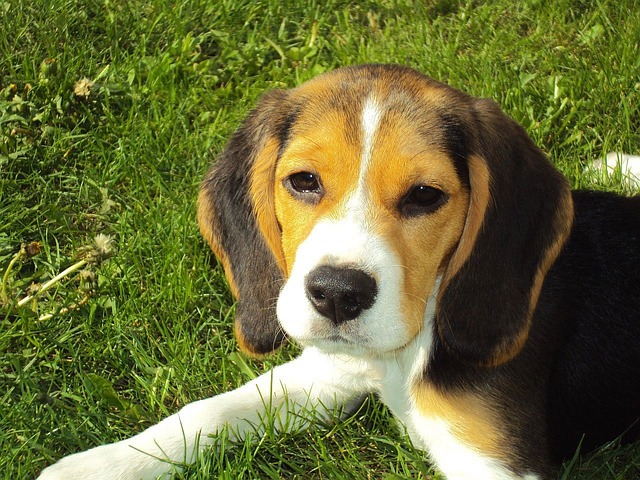
To train a puppy to listen outside, you need to focus on building strong communication and trust between you and your pet. This process involves establishing clear commands, using consistent rewards, and managing environmental distractions effectively. Begin training in a quiet area where your puppy can focus on you without overwhelming stimuli. As they become more comfortable, gradually introduce outdoor distractions like other dogs, people, or noises.
One common mistake many dog owners make is assuming that outdoor training is just like indoor training. The reality is that outdoor environments are much more stimulating, which can make it harder for your puppy to concentrate. Therefore, it’s crucial to understand how to prioritize and adapt your training approach based on the environment. If your puppy seems distracted, it may be necessary to step back to a less stimulating area or to use higher-value treats to regain their focus.
Understanding the Importance of Outdoor Listening
Teaching your puppy to listen outside is essential for their safety and your peace of mind. An unresponsive puppy can lead to dangerous situations, such as running into traffic or getting lost. By ensuring they respond to your commands outdoors, you create a safer environment for both of you. Additionally, outdoor listening skills enhance your puppy’s overall training and behavior.
Many owners overlook the importance of outdoor listening, often prioritizing basic commands like sit or stay without considering the distractions present outside. Recognizing the stakes involved is crucial, as ignoring this aspect can lead to behavioral issues later on. It’s also essential to note that outdoor training can be more time-consuming than indoor training due to the various elements at play.
Establishing Clear Commands
Clear and consistent commands are the foundation of effective training. Start by teaching basic commands like “come,” “sit,” and “stay” in a distraction-free environment. Once your puppy masters these commands, gradually practice them in outdoor settings. Use a firm but encouraging tone to reinforce your commands.
One common pitfall is using too many different commands for similar actions, which can confuse your puppy. Stick to a few clear commands and use them consistently. Additionally, make sure that your commands are distinct and easily recognizable to your puppy. This clarity will help them understand what is expected of them.
Using Positive Reinforcement Effectively
Positive reinforcement is one of the most powerful tools in dog training. When your puppy responds correctly to a command, reward them with treats, praise, or playtime. This encourages them to repeat the desired behavior. However, it’s essential to use high-value treats, especially in outdoor settings where distractions abound.
Many owners mistakenly use the same treats for all training sessions, which can diminish their effectiveness. Instead, reserve special treats for outdoor training to maintain your puppy’s interest and motivation. Additionally, timing is crucial; rewards should be given immediately after the desired behavior to help your puppy make the connection.
Managing Distractions in Outdoor Settings
Distractions are a significant challenge when training a puppy to listen outside. To mitigate this, start training in a low-distraction environment and gradually increase the level of distractions as your puppy becomes more proficient. This gradual exposure helps them learn to focus on you despite the surrounding stimuli.
Another effective strategy is to practice “focus” exercises, where you teach your puppy to maintain eye contact with you in distracting environments. This skill not only reinforces their listening abilities but also strengthens your bond. Remember that patience is key; if your puppy struggles to focus, don’t hesitate to return to a less distracting environment until they’re ready to progress.
Further Reading
Authoritative Sources
- How To Get Your Dog To Focus On You Outside
zigzag.dogChose your reward · Train indoors first · Teach your basic behaviors · Create a training schedule and add controlled distractions · Train on a long …
- What to Do If Your Dog Doesn't Listen in Public
smartdoguniversity.comStart in an easy location like your driveway, before you branch out to the local big box pet supply store. The more you teach your dog, the more places you'll …
- American Kennel Club
akc.orgTrusted dog training, behavior, breed, and puppy care guidance.
- American Veterinary Medical Association
avma.orgVeterinary guidance and animal health resources from a major professional association.
- ASPCA Pet Care
aspca.orgAnimal care, behavior, and safety resources for pet owners.
- Merck Veterinary Manual
merckvetmanual.comDetailed veterinary reference material on animal conditions, care, and treatment topics.
- AAHA for Pet Owners
aaha.orgPet owner guidance from the American Animal Hospital Association.
Frequently Asked Questions
How long does it take to train a puppy to listen outside?
Training duration varies by puppy and consistency. Expect several weeks of regular practice for solid results.
What are some common distractions to prepare for?
Common distractions include other dogs, people, traffic, and wildlife. Gradually expose your puppy to these stimuli.
How can I improve my puppy’s focus during training?
Use high-value treats, practice focus exercises, and minimize distractions during initial training sessions.
What should I do if my puppy doesn’t respond to commands outside?
Return to a quieter area, reinforce training with rewards, and gradually reintroduce distractions as they improve.
Is outdoor training different from indoor training?
Yes, outdoor environments are more distracting. Training outside requires additional patience and adaptability.
Conclusion
Training your puppy to listen outside is essential for their safety and your peace of mind. Prioritize clear commands, effective positive reinforcement, and managing distractions to foster a strong listening behavior. Remember that patience and consistency are key to success. As you progress, always adapt your approach based on your puppy’s unique needs and the outdoor environment.