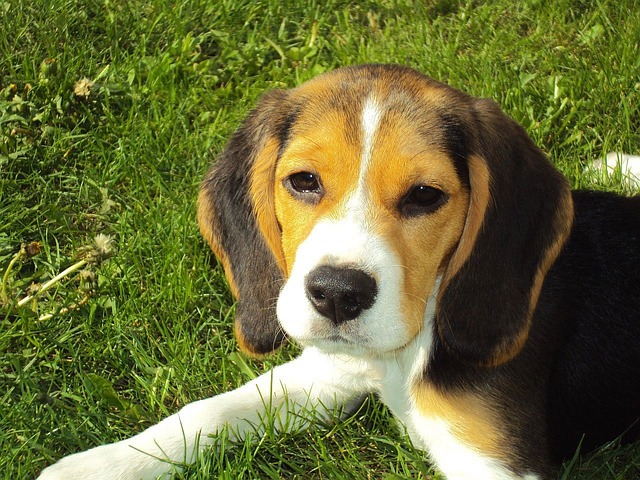
Puppy chewing on shoes is a common issue that many pet owners face. This behavior can be frustrating, especially when it leads to damaged footwear and potential safety hazards for your furry friend. Addressing this problem effectively requires understanding the underlying reasons for the chewing and implementing practical strategies to redirect your puppy’s attention.
Often, puppies chew on shoes out of boredom, anxiety, or a natural instinct to explore their environment. Acknowledging these motivations is critical. Many owners mistakenly assume that simple reprimands will suffice, but this approach often backfires, leading to anxiety or confusion in the puppy. Instead, focusing on proactive measures is essential for long-term success.
Understanding Why Puppies Chew Shoes
Puppies are naturally curious creatures. Chewing is a way for them to explore their surroundings, and shoes, with their unique textures and smells, can be particularly appealing. It’s essential to recognize that this behavior is not purely mischievous; it often stems from a puppy’s need for stimulation or comfort.
Ignoring this behavior or using punishment can create anxiety, leading to more destructive actions. Instead, understanding the triggers—such as boredom or separation anxiety—will help you address the root cause. For instance, if your puppy chews shoes when left alone, they might be seeking comfort or relief from stress.
Redirecting Chewing Behavior
One of the most effective ways to manage a puppy’s chewing habit is to redirect their attention toward acceptable items. This can be achieved by providing a variety of chew toys that are specifically designed for puppies. Look for toys that are durable and have different textures to keep your puppy engaged.
Consistency is key. Whenever you catch your puppy in the act of chewing on a shoe, gently redirect them to their toy. Praise them when they engage with the appropriate item. Over time, they will learn to associate chewing with their toys instead of your shoes. This positive reinforcement method is much more effective than scolding.
Creating a Chew-Friendly Environment
To prevent your puppy from accessing your shoes, it’s important to create a puppy-proof environment. This involves keeping shoes stored in cabinets or on high shelves where your puppy cannot reach them. Additionally, consider using baby gates to restrict access to certain areas of your home.
Incorporating engaging activities into your puppy’s routine can also minimize boredom. Regular exercise, playtime, and mental stimulation through training can significantly reduce the urge to chew. A well-exercised puppy is less likely to engage in destructive behavior.
Using Deterrents Effectively
In addition to redirection and environment management, using deterrents can be a helpful strategy. There are various pet-safe sprays available that have an unpleasant taste or smell for puppies. Spraying these deterrents on your shoes can discourage chewing. However, it’s crucial to combine this method with positive reinforcement for the best results.
Be mindful of your puppy’s response to deterrents. If they seem overly distressed, it may be necessary to switch to a different approach. The goal is to create a safe and positive environment where your puppy can thrive without resorting to chewing on inappropriate items.
Frequently Asked Questions
What are the main reasons puppies chew on shoes?
Puppies often chew on shoes due to boredom, anxiety, or the natural instinct to explore their environment.
How can I stop my puppy from chewing on shoes?
Redirect their chewing to appropriate toys, store shoes out of reach, and use positive reinforcement when they choose the right items.
Are there specific toys that help with this issue?
Look for durable chew toys that come in various shapes and textures to keep your puppy engaged and stimulated.
Can using deterrents harm my puppy?
Pet-safe deterrents are designed to be non-toxic, but it’s essential to monitor your puppy’s reaction and discontinue use if they show signs of distress.
How important is exercise for preventing chewing?
Regular exercise is crucial as a tired puppy is less likely to engage in destructive chewing behaviors.
Conclusion
Stopping your puppy from chewing on shoes requires a multifaceted approach that includes understanding their behavior, redirecting their chewing, creating a safe environment, and using deterrents wisely. By prioritizing these strategies, you can foster a positive relationship with your puppy while protecting your belongings. Remember, patience and consistency are essential as your puppy learns to distinguish between acceptable and unacceptable chewing targets.