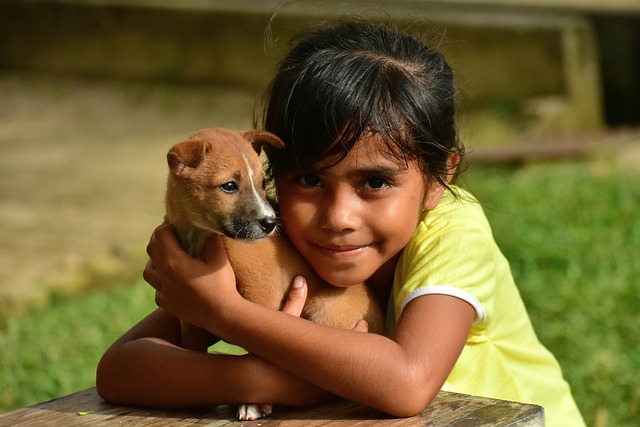
Training a puppy not to bite during play is essential for fostering a safe and enjoyable interaction between your furry friend and those around them. This process involves understanding their natural behaviors and implementing effective strategies that can help redirect their enthusiasm into positive outlets. By establishing clear boundaries and providing appropriate alternatives, you can significantly reduce unwanted biting behavior.
Many puppy owners underestimate the importance of early training and often make the mistake of allowing rough play, thinking it is just a phase. However, failing to address biting behavior can lead to problems in the future, including fear-based reactions or aggression. Understanding the stakes here is crucial; without proper training, your puppy may not learn how to interact gently, potentially harming both themselves and others.
Recognizing Why Puppies Bite
Understanding the reasons behind a puppy’s biting behavior is the first step in training them not to bite during play. Puppies often bite as a way to explore their environment, communicate, or play with their littermates. This behavior is natural but can become problematic if left unchecked. It’s vital to recognize the difference between playful nipping and aggressive biting.
Puppies may not realize their strength, and what seems like innocent play can escalate into painful bites. Therefore, it’s essential to observe your puppy’s body language and the context of their biting. For instance, if they are overly excited or frustrated, they may bite more frequently. By identifying these triggers, you can better manage their interactions and implement training strategies effectively.
Effective Training Techniques
Implementing effective training techniques is crucial for teaching your puppy not to bite during play. Start by using positive reinforcement methods, such as treats and praise, when they engage in appropriate play behavior. This encourages them to associate gentle play with rewards.
Additionally, teaching bite inhibition is a significant part of this training. When your puppy bites too hard, let out a sharp yelp or say “ouch!” to signal that they’ve hurt you. This mimics how their littermates would react and helps them understand the consequences of their actions. Consistency is key; ensure that all family members follow the same response to biting.
- Use toys as a buffer during play to redirect biting.
- Incorporate short play sessions to prevent overstimulation.
- Practice commands like “leave it” or “gentle” to reinforce desired behaviors.
Setting Up Playtime for Success
Creating an environment conducive to positive play is essential in reducing biting behavior. Ensure that playtime is structured and supervised, allowing you to intervene before biting escalates. This setup helps puppies learn the boundaries of acceptable play.
Consider the toys you use during play; opt for durable chew toys that can withstand your puppy’s energy. This not only keeps them entertained but also diverts their attention from biting your hands or clothing. Moreover, incorporating training games such as fetch or hide and seek can channel their energy into more constructive activities.
Common Pitfalls to Avoid
Many puppy owners inadvertently reinforce biting behavior by reacting in ways that encourage it. For example, if you play roughly with your hands or allow biting during play, your puppy may perceive this as acceptable behavior. Avoid using your body as a toy; instead, always opt for designated toys.
Another common mistake is failing to recognize when a puppy is overstimulated. If you notice signs of agitation or excessive excitement, take a break from play to allow them to calm down. This teaches them to regulate their energy levels and understand when playtime should end.
Further Reading
For more in-depth resources on puppy training, consider visiting reputable pet training websites or consulting with professional trainers who specialize in canine behavior. These resources can provide additional insights and techniques to help you and your puppy thrive.
Frequently Asked Questions
Why does my puppy bite during play?
Puppies bite during play as a natural form of exploration and interaction. They often mimic behaviors they learned from their littermates.
How can I stop my puppy from biting me?
Redirect their biting to toys, use positive reinforcement, and teach bite inhibition by yelping when they bite too hard.
Is it normal for puppies to nip?
Yes, nipping is normal behavior in puppies as they explore their world, but it should be managed to prevent it from becoming aggressive.
What should I do if my puppy bites too hard?
Yelp loudly as if you are hurt, which teaches your puppy that hard bites are unacceptable. Then, redirect them to a toy.
How long does it take to train a puppy not to bite?
Training a puppy not to bite can take several weeks to months, depending on consistency, the techniques used, and the puppy’s temperament.
Conclusion
Training your puppy not to bite during play is a vital aspect of their development. It requires patience, consistency, and understanding of their behavior. By implementing effective training techniques and setting up a positive play environment, you can nurture a well-mannered companion. Prioritize early intervention and be mindful of your responses to biting, as these will shape your puppy’s play habits. As you continue this journey, celebrate small victories and remain committed to fostering a safe and enjoyable playtime experience.