Key Takeaway: To crate train your puppy for potty training, choose a appropriately sized crate that allows your puppy to stand, turn around, and lie down comfortably. Introduce the crate gradually, making it a positive space with treats and toys, and never use it as punishment. Take your puppy outside frequently—especially after eating, sleeping, or playing—and praise them when they eliminate outside. Consistency and patience are key; stick to a regular schedule and avoid rushing the process.
Authority path: For the broader framework behind this article, see How Do You Get Started With Puppy Potty Training?.
Article Guide
- Effective Strategies for Puppy Potty Training Success
- Understanding Your Puppy’s Bladder and Bowel Development
- Establishing a Consistent Routine
- Choosing the Right Potty Spot
- Using Crate Training Effectively
- Implementing Positive Reinforcement Techniques
- Handling Accidents Calmly and Effectively
- Monitoring Your Puppy’s Progress
- Dealing with Common Challenges
- Additional Tips for Success
- The Importance of Patience and Consistency
- Conclusion
- Popular Questions
- How often should I take my puppy outside to potty?
- What are the best methods to crate train my puppy for potty training?
- How can I tell if my puppy needs to go potty?
Effective Strategies for Puppy Potty Training Success
Potty training a puppy can feel like a daunting task, but with patience and a clear strategy, success is within reach. Creating a positive environment through crate training helps your puppy see their space as safe and comfortable, making accidents less likely inside. Establishing a consistent routine for outdoor bathroom breaks—especially after meals, naps, or playtime—reinforces good habits and speeds up the process. Celebrating each successful outside elimination with gentle praise encourages your puppy to repeat the behavior, turning a challenging phase into a rewarding bonding experience.
Understanding Your Puppy’s Bladder and Bowel Development
Before diving into specific training methods, it’s important to understand that puppies have immature bladder and bowel control systems. Typically, puppies can hold their bladder for about one hour per month of age. For example, a three-month-old puppy might be able to hold it for approximately three hours. This natural limitation means that frequent bathroom breaks are essential during the early stages of training.
Additionally, puppies often need to eliminate shortly after waking up, after eating or drinking, and after play sessions. Recognizing these patterns allows you to anticipate when your puppy needs to go outside and reduces the likelihood of accidents indoors.
Establishing a Consistent Routine
Consistency is the cornerstone of successful potty training. Establish a daily schedule that includes regular times for feeding, play, and bathroom breaks. For example:
- Feed your puppy at the same times each day—typically morning, midday, and evening.
- Take your puppy outside immediately after waking up, after meals, and after play sessions.
- Designate specific areas outside where you want your puppy to eliminate. Consistently taking your puppy to the same spot helps reinforce the association between that area and potty time.
Maintaining a routine helps your puppy develop predictable habits and makes it easier for you to monitor their bathroom needs.
Choosing the Right Potty Spot
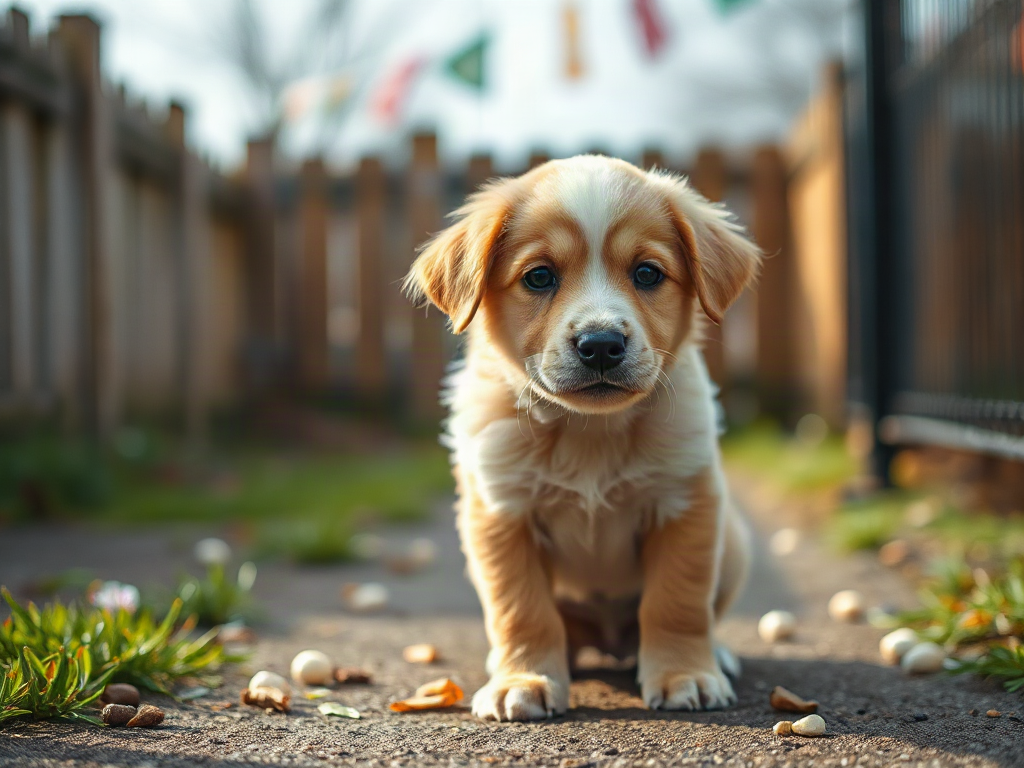
Select a specific outdoor location that will serve as your puppy’s designated potty area. This spot should be easily accessible and away from high-traffic areas or noisy places that might scare your puppy. Use the same spot every time to create a strong association in your puppy’s mind.
When your puppy eliminates in the correct spot, praise them enthusiastically and offer a treat. This positive reinforcement encourages repeat behavior and helps your puppy understand what is expected.
Using Crate Training Effectively
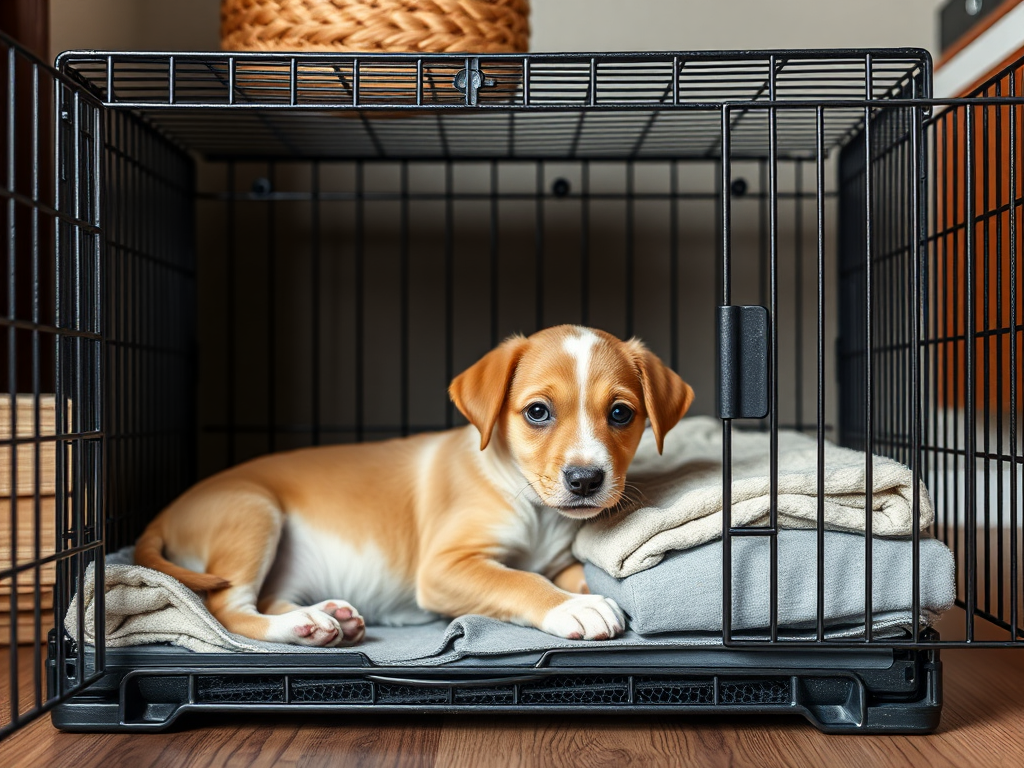
Crate training is a highly effective tool for potty training because dogs naturally avoid soiling their sleeping area. Choose a crate that is appropriately sized—large enough for your puppy to stand, turn around, and lie down comfortably but not so large that they can eliminate in one corner and sleep in another.
Introduce the crate gradually, making it a positive space with toys and comfortable bedding. Never use the crate as a punishment. When your puppy is inside, supervise closely and take them outside frequently—every 1-2 hours during the day—to prevent accidents.
When your puppy eliminates outside, immediately praise and reward them. If an accident occurs inside, clean it thoroughly with an enzymatic cleaner to eliminate odors that might attract them back to the same spot.
Implementing Positive Reinforcement Techniques
Puppies respond best to positive reinforcement. When your puppy successfully goes potty outside, immediately praise them with a cheerful voice and give a tasty treat. This immediate reward helps your puppy associate outdoor elimination with positive outcomes.
Avoid punishment or scolding for accidents indoors, as this can create fear and confusion. Instead, calmly clean up accidents without fuss and reinforce good behavior through praise when they go outside.
Handling Accidents Calmly and Effectively
Accidents are inevitable during the potty training process. When you find an indoor accident:
- Interrupt your puppy gently if you catch them in the act—say “No” or “Eh-eh” calmly—and immediately take them outside to their designated potty spot.
- If you discover an accident after it has happened, do not punish your puppy. Instead, clean the area thoroughly with an enzymatic cleaner to remove odors that might attract them back.
- Reinforce positive behavior by praising your puppy when they go outside successfully.
Patience and consistency are key. Remember that puppies are learning, and setbacks are normal.
Monitoring Your Puppy’s Progress
Keep a potty training journal or use a tracking app to record when your puppy eliminates outdoors. This record helps identify patterns and predict when they need to go next. It also allows you to celebrate milestones such as days or weeks without accidents.
As your puppy matures, their bladder control improves, and accidents become less frequent. Celebrate these successes to motivate both yourself and your puppy.
Dealing with Common Challenges
Some common issues during potty training include:
- Frequent accidents: Ensure you are taking your puppy out often enough and watching for signs they need to go (sniffing, circling).
- Reluctance to go outside: Make outdoor trips pleasant by bringing toys or treats and speaking in a soothing tone.
- Regression: Sometimes puppies regress after initial success due to stress or changes in routine. Re-establish a consistent schedule and remain patient.
Additional Tips for Success
- Supervise indoors: Use baby gates or playpens to limit your puppy’s access to areas where accidents are more likely.
- Maintain cleanliness: Regularly clean outdoor and indoor areas with enzymatic cleaners to eliminate odors that might attract repeat accidents.
- Be patient: Every puppy learns at their own pace. Celebrate small victories and stay consistent in your approach.
- Seek professional help if needed: If you encounter persistent challenges, consult a professional dog trainer or veterinarian for personalized advice.
The Importance of Patience and Consistency
Puppy potty training is a gradual process that requires patience, consistency, and positive reinforcement. Remember that setbacks are normal, especially during stressful times such as moving or changes in household routines. Stay calm, be persistent, and celebrate each success along the way.
With time and effort, your puppy will develop good bathroom habits that will last a lifetime. The effort you put into training now will result in a well-behaved dog who is comfortable and confident in their environment.
Conclusion
Successfully potty training your puppy involves understanding their developmental needs, establishing routines, choosing appropriate training tools like crates, using positive reinforcement consistently, and handling setbacks with patience. By implementing these strategies with dedication, you will foster a trusting relationship with your puppy while ensuring they learn proper bathroom habits. Remember, every puppy is unique—adapt these tips as needed to suit your specific situation and enjoy the rewarding journey of raising a well-trained dog.
Popular Questions
How often should I take my puppy outside to potty?
Typically, puppies need to be taken outside every 2 to 3 hours during the day, especially after eating, drinking, playing, or waking up. This frequent schedule helps prevent accidents indoors and reinforces bathroom habits. As your puppy grows, they can hold their bladder longer, gradually extending the time between trips. Consistency is key to successful potty training.
What are the best methods to crate train my puppy for potty training?
Crate training involves using a properly sized crate that allows your puppy to stand, turn around, and lie down comfortably. Puppies naturally avoid soiling their sleeping area, which encourages them to hold their bladder until taken outside. Always introduce the crate gradually with positive reinforcement and never use it as punishment. This method helps establish a routine and reduces indoor accidents.
How can I tell if my puppy needs to go potty?
Signs that your puppy needs to go potty include sniffing the ground, circling, whining, or heading towards the door. Some puppies may also become restless or start to squat. Paying attention to these cues and acting quickly can prevent accidents and reinforce good bathroom habits. Consistent observation helps your puppy associate these signals with going outside.