Welcome to the ultimate guide to puppy training! Training a new pup can be overwhelming, but with the right information and techniques, it doesn’t have to be. In this post, we will cover everything you need to know about puppy training, from when to start to how often to train your dog. Let’s get started!
When to Start Puppy Training:
The sooner you start training your pup, the better. Ideally, you should begin training as soon as you bring your new furry friend home. This is because dogs are like sponges at a young age – they absorb everything around them quickly and easily. By starting early, you can set a strong foundation for good behavior that will last throughout your dog’s life.
The Best Potty Training Techniques for Your Puppy:
Potty training is one of the most important aspects of puppy training. No one wants a messy house or an untrained dog. The key to successful potty training is consistency and patience. There are several methods you can use to potty train your pup, including crate training, paper training, and leash/collar training. Each method has its pros and cons, so choose the one that works best for you and stick with it. Remember, it takes time and effort to fully potty train a pup, so don’t give up too quickly.
Choosing the Right Obedience Training for Your Dog:
Obedience training is essential for teaching your dog basic commands such as “sit,” “stay,” and “come.” It also helps establish boundaries and reinforces your role as pack leader. When choosing obedience training, there are many options available, including group classes, private lessons, and online courses. Consider your dog’s temperament and personality when selecting a training method. For example, if your dog is high-energy, a group class may be beneficial. If your dog is more reserved, private lessons may be a better fit.
How Many Days per Week Should You Train Your Dog:
It depends on your schedule and lifestyle. Some experts recommend daily training sessions, while others suggest two to three times per week. Ultimately, consistency is key. Try to aim for at least two training sessions per week to keep your dog engaged and motivated. Don’t forget to mix things up by incorporating different exercises and activities into each session.
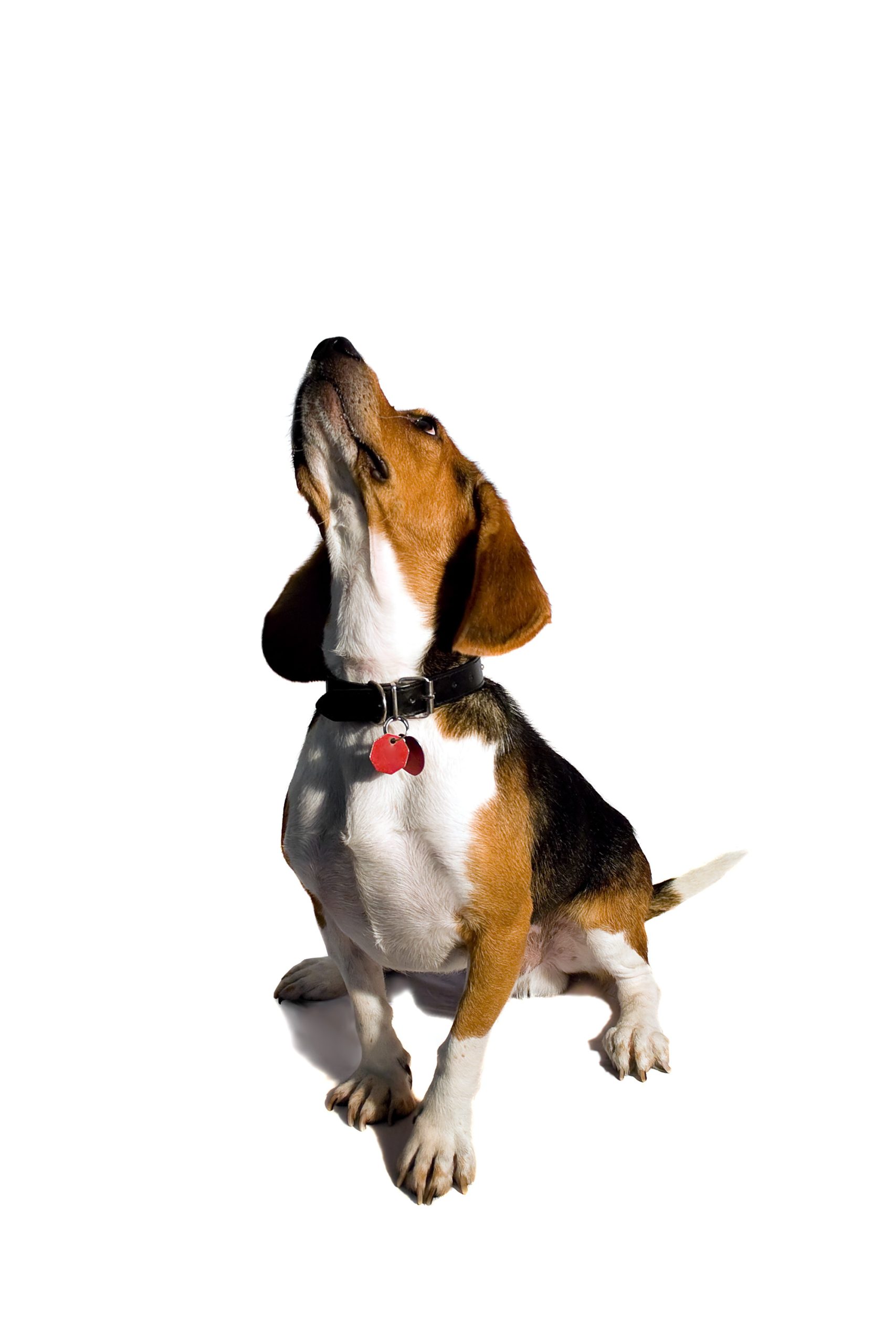
Finding the Best Puppy Training Method for Your Pup:
There isn’t just one “best” way to train a puppy. Every dog is unique, which means that what works for some may not work for others. That being said, positive reinforcement training is generally considered the safest and most effective approach. Positive reinforcement involves using rewards (such as treats) to encourage desired behaviors rather than punishment. Other popular training methods include clicker training and dominance-based training. Do your research and find a method that aligns with your values and goals.

All in all, puppy training can be challenging, but with dedication and persistence, it can also be incredibly rewarding. Remember to stay patient, consistent, and kind in all of your interactions with your pup. Good luck and happy training!