Introduction to Dog Training:
Dog training is an essential aspect of owning a dog. It helps you establish a strong bond with your furry friend and teaches them how to behave appropriately in different situations. One of the most significant challenges that pet owners face when it comes to dog training is potty training. In this blog post, we will discuss some common mistakes people make while potty training their dogs and how to avoid them.
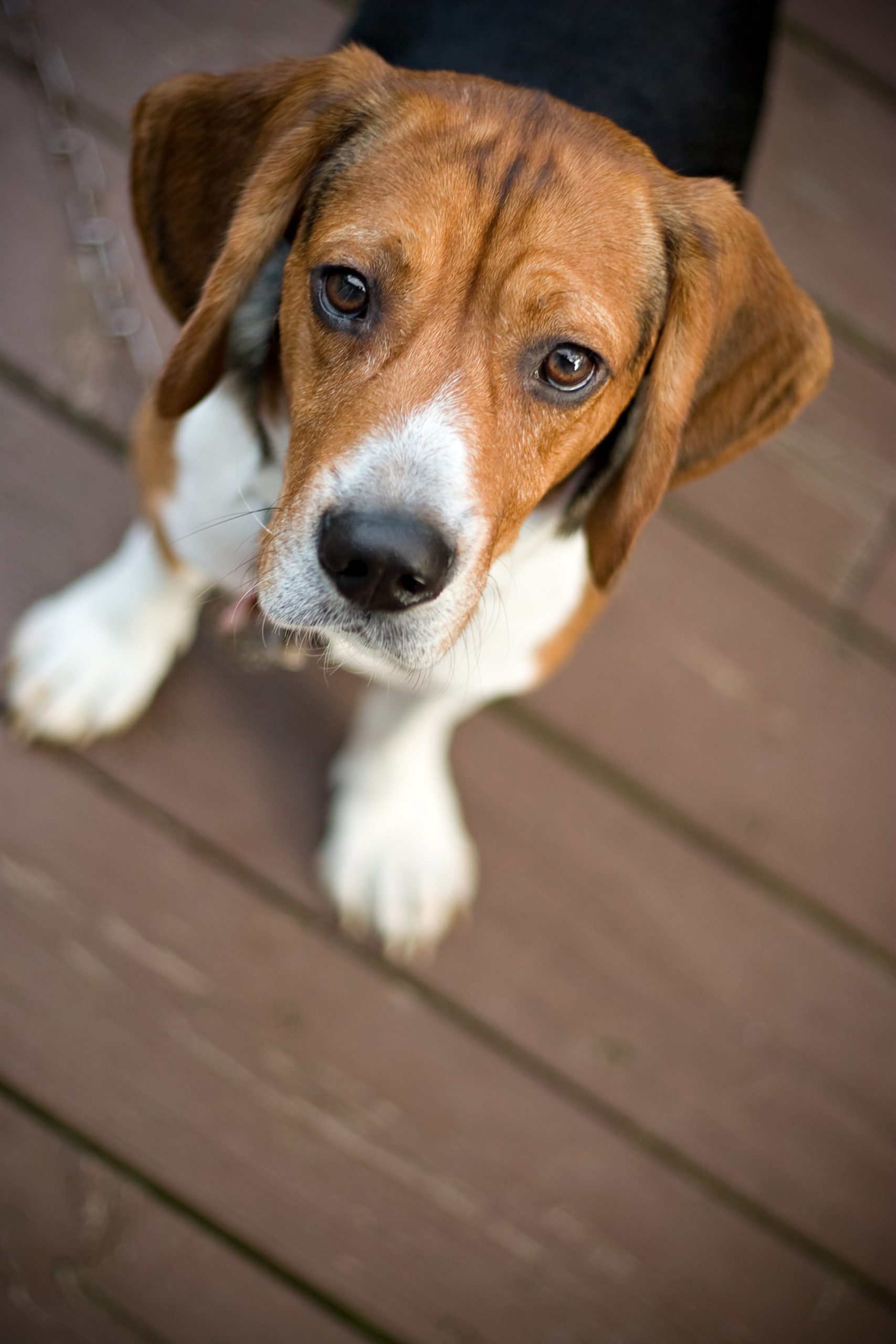
Common Mistakes People Make When Potty Training Their Dogs:
1. Not providing enough opportunities for your pup to go outside: Puppies have small bladders and need to go out frequently. If you don’t take your puppy out often enough, they may soil the house accidentally. To avoid this mistake, take your puppy out every hour or two during the day and after each meal.
2. Punishing your dog for accidents: Accident happen! Instead of punishing your dog for having an accident inside, take them outside immediately and praise them when they eliminate in the right place. Harsh treatment can lead to fearful behavior and anxiety issues.
3. Ignoring signs that your dog needs to go out: Dogs give signals when they need to go out such as sniffing around, circling, or whining. Pay attention to these cues and take your dog outside before it’s too late.
4. Relying on crate training alone: While crate training can be effective for housetraining, it should not be the only method you use. Your dog needs plenty of exercise and socialization to develop good habits. Take your dog for walks, play fetch, and introduce them to new environments.
5. Giving up too soon: Housetraining takes time and patience. Don’t expect your dog to learn overnight. Consistency and positive reinforcement are key to successful potty training.
The Best Way to Potty Train Your Puppy:
The best way to potty train your puppy is to establish a routine and stick to it. Take your puppy out first thing in the morning, after each nap or meal, and before bedtime. Praise your puppy when they eliminate outside and clean up any accidents promptly. Use treats or toys to distract your puppy from focusing on indoor surfaces.
Obedience Training for Your Dog:

Obedience training is crucial for building a well-behaved dog. Teach your dog basic commands like sit, stay, come, and heel. Practice these commands regularly and reward your dog for following instructions. Obedience training also helps with socialization, which makes your dog more comfortable around other animals and humans.
How Many Days Per Week Should You Train Your Dog:
Ideally, you should train your dog every day. However, if you’re busy, aim for at least three to four days per week. Short sessions of 10-15 minutes work better than long ones since dogs have short attention spans. Be consistent with your training schedule and try to incorporate variety into your sessions.
Finding the Best Puppy Training Method:
There are many methods available for puppy training including clicker training, leash/collar training, and positive reinforcement training. The best method depends on your personal preferences and lifestyle. Research various techniques and choose one that aligns with your values and goals.
Indoor Puppy Training Tips:
If you live in an apartment or have limited access to outdoor space, indoor puppy training is necessary. Provide your puppy with a designated area for eliminating such as a litter box or pee pad. Supervise your puppy closely and take them out frequently. Clean up any accidents promptly using enzymatic cleaner to prevent odors.
Stop Your Puppy from Chewing Things:
Chewing is a natural behavior for dogs, but it can become problematic if they chew on inappropriate items. Provide your puppy with appropriate chew toys and rotate them regularly to keep things interesting. Whenever your puppy chews something they shouldn’t, say “no” firmly and redirect them to a suitable item.