Introduction:
Bringing home a new puppy is an exciting time for any family. However, it can also be overwhelming when you realize that you have the responsibility of training your furry friend. Luckily, with these 5 easy steps, you’ll be well on your way to having a well-behaved and valuable member of the family in no time!
The Importance of Consistency and Patience:
One of the most important things to remember when training your puppy is consistency and patience. Dogs learn through repetition, so it’s essential to always reinforce the same commands and behaviors. Additionally, patience is key because dogs don’t understand English, and they need time to process what we’re asking them to do. Remember, positive reinforcement is always the best approach when training your pup.
Teaching Basic Commands:
The first step to teaching basic commands is to choose a word or phrase that you will use every time you give your dog a command. For example, “Sit” could be used for sitting, while “Stay” could be used for staying put. Once you’ve chosen your words, start by practicing each command individually. Use treats as a reward for good behavior, and make sure to praise your pup when they get it right!
Housebreaking Your Puppy:
Housebreaking your puppy may seem daunting at first, but with some consistency and effort, it can be achieved quickly. Start by taking your pup outside frequently throughout the day, even if you think they don’t need to go. Take them out after eating, drinking, playing, or waking up from a nap. Whenever they go potty outside, praise them enthusiastically! It’s also essential to avoid accidents inside by keeping an eye on your pup and not leaving them unattended for long periods.
Socialization and Exposure Therapy:
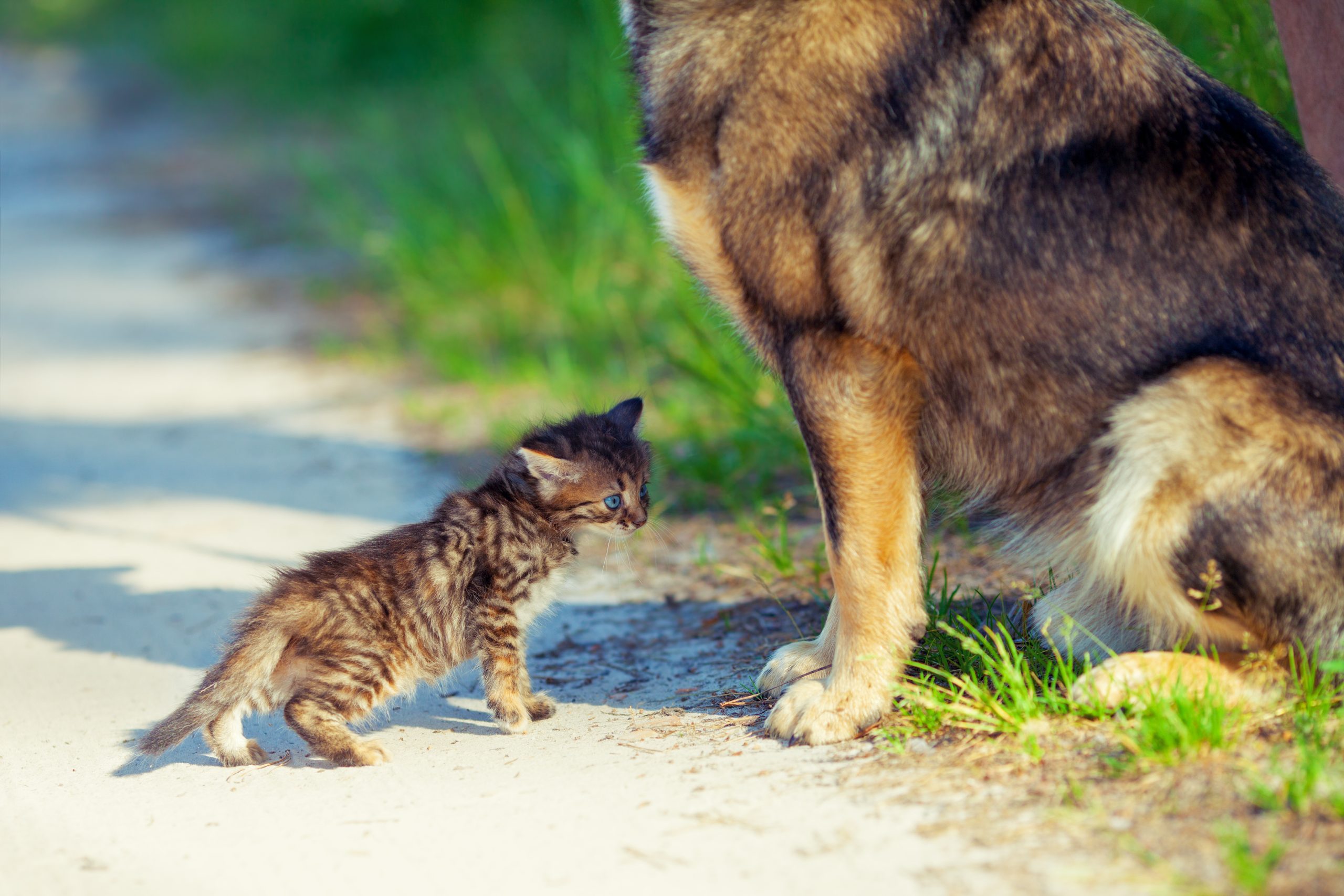
Another crucial aspect of puppy training is socializing them and exposing them to different situations. This helps prevent fearfulness and aggression later in life. Take your pup to different places like parks, pet stores, and friends’ houses. Introduce them to people, other animals, and new environments slowly and positively. If your pup seems nervous or scared, back off and try again another day.

Conclusion: Tips for Successful Puppy Training:
Remember, successful puppy training takes time, effort, and patience. Here are some tips to help you along the way:
1. Be consistent with your commands and actions
2. Always use positive reinforcement
3. Practice regularly, but don’t overdo it
4. Keep your expectations realistic
5. Have fun and enjoy the journey!
All in all, training your puppy doesn’t have to be difficult or stressful. By following these 5 simple steps, you’ll have a well-behaved and valued family member in no time!