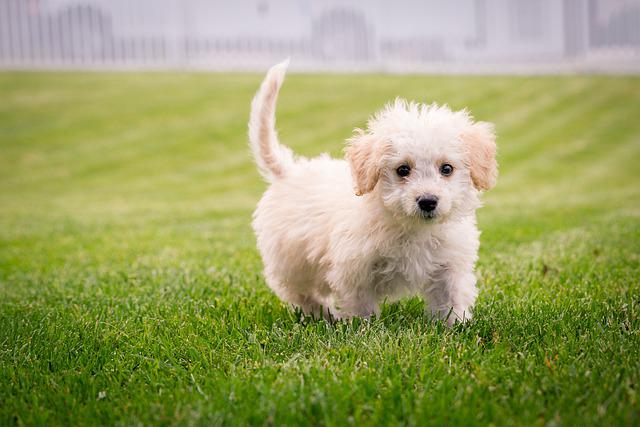
If your puppy won’t come when called, it may be due to distractions, lack of training, or fear. Understanding these factors is crucial for effective training. Establishing a positive recall method and being patient can significantly improve your puppy's response.
When your puppy ignores your call, it can be frustrating and concerning. Understanding why your puppy won’t come when called is essential for effective training and ensuring their safety. Various factors contribute to this behavior, including distractions in the environment, lack of proper training, or even underlying fear or anxiety. Addressing these issues promptly can lead to a more obedient and responsive canine companion.
Real-world stakes are high when your puppy doesn’t respond to your call. A puppy that wanders off can easily get into dangerous situations, whether through traffic, encounters with aggressive animals, or simply getting lost. Many owners mistakenly assume that their puppy will instinctively return when called, but this assumption can lead to dangerous situations. It is crucial to prioritize building a strong recall command from the start, ensuring your puppy understands the importance of responding to you.
Understanding Distractions
One of the most common reasons puppies don’t return when called is the presence of distractions. Whether it’s other animals, people, or enticing smells, your puppy’s attention can easily be diverted. Puppies are naturally curious and may prioritize their environment over your commands.
To mitigate distractions, start training in a controlled environment with minimal stimuli. Gradually introduce distractions as your puppy becomes more reliable in responding to your call. Use high-value treats or toys to reinforce the behavior you want to see. This method helps your puppy learn that responding to your call is more rewarding than exploring their surroundings.
The Role of Training
Training is fundamental to ensuring your puppy comes when called. Many owners fail to establish a proper training routine, leading to inconsistent responses. A lack of training can create uncertainty for your puppy about what is expected when you call them.
Start with basic commands and gradually build to the recall command. Consistency is key; use the same tone and words each time. Additionally, practice regularly and make training sessions short and engaging to maintain your puppy’s interest. Training should be viewed as a fun activity rather than a chore, which will help solidify the connection between you and your puppy.
Fear and Anxiety Factors
Fear or anxiety can significantly impact your puppy’s willingness to come when called. If they associate your call with negative experiences, such as being scolded or forced into situations they dislike, they may avoid returning to you altogether. Understanding your puppy’s emotional state is crucial in addressing this issue.
To counteract fear, create positive associations with your call. Use a cheerful tone and reward your puppy with treats or praise when they respond. If your puppy is particularly anxious, consider consulting a professional trainer who can help desensitize your puppy to the recall command in a safe and supportive manner.
Building a Positive Recall
Establishing a positive recall is essential for effective communication with your puppy. Begin by choosing a unique command or phrase that you will consistently use. Ensure that your puppy associates this command with positive experiences. This could include treats, playtime, or affection when they come to you.
One effective technique is to practice the recall command during play. Call your puppy to you during a game of fetch or tug-of-war and reward them when they comply. This method reinforces the idea that coming when called leads to enjoyable experiences. Over time, you’ll build a reliable recall that can be trusted even in distracting environments.
Further Reading
For additional insights on puppy training, consider exploring resources from reputable animal behaviorists or training organizations. Websites such as the American Kennel Club (AKC) and the Association of Professional Dog Trainers (APDT) provide valuable information that can help you further understand how to effectively train your puppy.
Frequently Asked Questions
What should I do if my puppy won’t come when called?
Start by assessing the environment for distractions and make sure your training is consistent. Use high-value treats to encourage your puppy to respond positively.
How can I train my puppy to come when called?
Use a specific command consistently, reward them when they respond, and practice in a distraction-free area before gradually introducing more distractions.
Is it normal for puppies to ignore commands?
Yes, it’s common for puppies to get distracted or not fully understand commands. Consistent training and positive reinforcement are key.
How can I make recall training more enjoyable for my puppy?
Incorporate play into training sessions and use treats or toys as rewards to create positive associations with coming when called.
What if my puppy seems scared to come to me?
Work on building trust through positive reinforcement. Avoid scolding them when they don’t come and instead reward them for any progress.
Conclusion
Understanding why your puppy won’t come when called is essential for effective training and ensuring their safety. By focusing on eliminating distractions, providing consistent training, addressing fear, and building a positive recall, you can significantly improve your puppy’s responsiveness. Take the time to engage with your puppy positively, and you will foster a strong bond that encourages them to come when called.