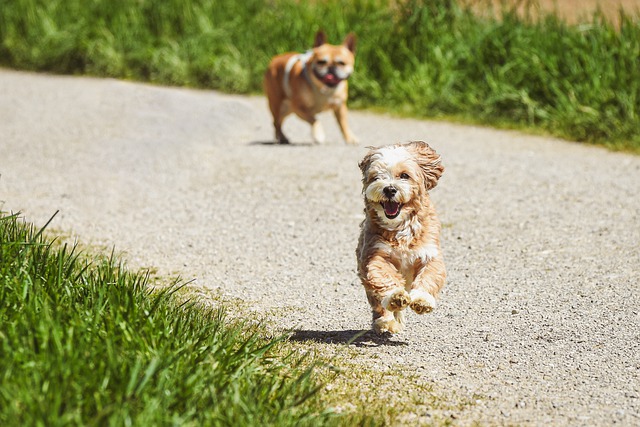
Puppies often exhibit hyperactivity at night due to their natural energy levels and instinctual behaviors. Factors such as insufficient exercise, excitement, or even anxiety can contribute to this nighttime frenzy.
Understanding why your puppy is hyper at night is crucial for effective management. Young dogs have bursts of energy that can lead to playfulness during the evening hours. If they haven’t had enough physical and mental stimulation throughout the day, they may release pent-up energy by running around or engaging in mischievous behavior. Additionally, nighttime can be a time of increased excitement if your puppy is still adjusting to its new environment.
Another common reason for nighttime hyperactivity is anxiety or fear. Puppies may feel insecure in their surroundings, especially if they are new to your home. This can lead to restlessness and hyperactive behavior as they try to cope with their feelings. It’s essential to recognize these signs and take steps to create a safe and comfortable environment for your puppy during the night.
The Importance of Exercise
Daily exercise is crucial for a puppy’s overall well-being and can significantly reduce nighttime hyperactivity. Puppies have high energy levels and require regular physical activity to burn off excess energy. A lack of sufficient exercise can lead to restlessness and hyper behavior during the night.
To ensure your puppy is getting enough exercise, aim for multiple walks and play sessions throughout the day. Activities such as fetch, tug-of-war, or even agility training can help engage your puppy both physically and mentally. Without adequate exercise, your puppy may resort to hyperactivity as a way of coping with boredom or pent-up energy.
It’s also important to note that the type and amount of exercise should be tailored to your puppy’s breed and age. Younger puppies may require shorter play sessions, while older puppies can handle longer, more intense activities. Monitoring your puppy’s energy levels and adjusting the exercise routine accordingly can help balance their activity levels and promote a more restful night.
Creating a Calm Environment
Establishing a calm and secure environment can greatly affect your puppy’s behavior at night. Puppies thrive in predictable settings, and a chaotic or noisy environment can contribute to their anxiety and hyperactivity. Creating a designated sleeping space that is quiet and comfortable can help your puppy feel more at ease.
Consider using soft bedding, calming scents, or even a white noise machine to create a soothing atmosphere. Additionally, implementing a consistent bedtime routine can signal to your puppy that it’s time to wind down. This could include activities like a gentle massage, quiet play, or cuddle time before bed.
It’s important to avoid stimulating activities close to bedtime, such as vigorous play or loud noises. Instead, focus on calming interactions that help your puppy transition from an active state to a restful one. By fostering a peaceful environment, you can help your puppy settle down more easily at night.
Understanding Puppy Behavior
Puppies are naturally curious and energetic, and understanding their behavior can help you manage their hyperactivity. It’s normal for puppies to have bursts of energy, especially after naps or meals. Recognizing these patterns can help you anticipate and manage their nighttime behavior.
One common misconception is that a tired puppy will automatically sleep soundly at night. However, some puppies may still have difficulty settling down due to overexcitement or anxiety. Monitoring your puppy’s behavior during the day and adjusting their activities can help mitigate these nighttime issues.
Additionally, socialization plays a significant role in a puppy’s behavior. Exposing your puppy to different environments, people, and other animals can help build their confidence and reduce anxiety. A well-socialized puppy is generally more relaxed and less prone to hyperactivity at night.
Common Mistakes to Avoid
Many puppy owners unknowingly contribute to their pet’s nighttime hyperactivity through common mistakes. One prevalent error is allowing your puppy to engage in stimulating activities right before bedtime. This can lead to increased excitement and make it more difficult for them to settle down.
Another mistake is failing to establish a consistent routine. Puppies thrive on structure, and a lack of predictability in their daily activities can lead to anxiety and hyperbehavior. Implementing a regular schedule for feeding, exercise, and bedtime can help your puppy understand what to expect.
Lastly, neglecting to provide enough mental stimulation can result in hyperactivity. Puzzle toys, training sessions, and interactive games can help keep your puppy engaged and mentally satisfied. By avoiding these common pitfalls, you can help create a more peaceful nighttime environment.
Further Reading
Authoritative Sources
- American Kennel Club
akc.orgA comprehensive resource for dog training, behavior, and health information
- ASPCA
aspca.orgOffers resources on pet care, behavior, and health, including tips for managing hyperactivity
- PetMD
petmd.comProvides expert advice on pet care and health, with articles on puppy behavior
- Dog Training Nation
dogtrainingnation.comA resource for dog training tips and techniques, including managing hyper puppies
Frequently Asked Questions
What are the main reasons for my puppy’s hyperactivity at night?
The main reasons include insufficient exercise, excitement, and anxiety. Addressing these factors can help manage their behavior.
How can I help my puppy settle down at night?
Establish a calming bedtime routine, ensure adequate exercise during the day, and create a quiet sleeping environment.
Is it normal for puppies to be active at night?
Yes, it’s normal for puppies to have bursts of energy, but managing their activity levels can help reduce nighttime hyperactivity.
What common mistakes should I avoid with my puppy at night?
Avoid stimulating activities before bedtime, lack of routine, and insufficient mental stimulation throughout the day.
How much exercise does my puppy need each day?
Puppies typically need at least 30 to 60 minutes of exercise daily, depending on their breed and age, to help manage their energy levels.
Conclusion
In summary, understanding why your puppy is hyper at night is essential for effective management. By providing adequate exercise, creating a calming environment, and recognizing their behavioral needs, you can help your puppy settle down more easily at night. Avoiding common mistakes and maintaining a consistent routine will further support your efforts. Prioritize your puppy’s well-being by addressing these factors, and you’ll likely see an improvement in their nighttime behavior.