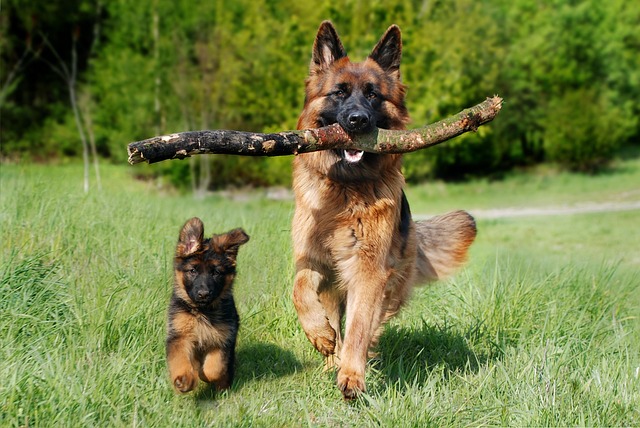
Puppies often bite more when excited due to a combination of their natural instincts, lack of impulse control, and the way they express exuberance. Understanding this behavior is crucial for effective training and ensuring a safe environment for both the puppy and its companions.
Puppies are bundles of energy and joy, but this exuberance can sometimes manifest in biting, especially when they are excited. This behavior is often misinterpreted as aggression, but it is usually a natural response to heightened emotions. Puppies, like infants, are still learning to navigate their world and often resort to biting as a way to express their excitement, curiosity, or even frustration.
The stakes are high when it comes to managing this behavior. Owners may find themselves overwhelmed, fearing that their puppy’s biting could lead to negative experiences for both the dog and those around it. Common mistakes include responding with anger or frustration, which can exacerbate the issue. Instead, understanding the underlying reasons for this behavior is essential for developing effective training strategies that promote better impulse control and reduce biting incidents.
Understanding Puppy Excitement
Recognizing the reasons behind your puppy’s excitement is key to addressing biting behavior. Puppies are naturally curious and energetic, often displaying behaviors that can seem overwhelming. They may bite when playing, greeting people, or even during training sessions. This biting is not always aggressive; rather, it reflects their enthusiasm and lack of understanding of appropriate boundaries.
In many cases, owners may misinterpret these actions as signs of aggression or dominance. However, it is crucial to understand that a puppy’s biting is often a response to excitement rather than a deliberate attempt to harm. This misconception can lead to punitive measures that overlook the real issues at play. Instead, consider focusing on teaching your puppy how to express their excitement in a more controlled manner.
Why Biting Occurs During Excitement
The reasons behind your puppy’s tendency to bite when excited can be traced to their developmental stage and instinctual behaviors. Puppies explore their environment through their mouths, and when they become overly stimulated, biting can become a reflexive action. This behavior is often heightened in social settings where new experiences and interactions occur, leading to a surge in excitement.
Common pitfalls include failing to recognize the signs of overstimulation. Many owners miss the cues that indicate their puppy is becoming too excited, such as excessive barking, jumping, or rapid tail wagging. When these signs are overlooked, the puppy may resort to biting as a release for their pent-up energy. Training should aim to help puppies learn to recognize their own excitement levels and develop strategies to calm themselves.
Training Strategies to Manage Biting
Effective training strategies are essential for managing your puppy’s biting behavior. Start by establishing clear and consistent boundaries. When your puppy bites, respond with a firm but calm “no” and redirect their attention to a toy or appropriate chew item. This teaches them what is acceptable to bite and what is not.
Additionally, incorporating positive reinforcement techniques can significantly improve impulse control. Reward your puppy for calm behavior during playtime and gradually increase the level of excitement as they learn to manage their reactions. Be patient and recognize that this process takes time; consistency is key to success.
- Use toys for redirection: Offer a toy whenever your puppy attempts to bite.
- Practice calmness: Train your puppy to sit or stay during exciting moments.
- Socialize responsibly: Expose your puppy to various situations gradually to help them learn appropriate responses.
Creating a Safe Environment
In addition to training, creating a safe environment is crucial in managing a puppy’s biting behavior. Ensure that your home is puppy-proofed, removing items that could be tempting targets for biting. This includes shoes, furniture, and electrical cords.
Providing designated play areas can also help. Use gates or playpens to define safe zones where your puppy can express their energy without the risk of biting people or damaging property. Remember, the goal is to create an environment that allows for safe exploration while minimizing opportunities for unwanted behaviors.
Further Reading
For those interested in deepening their understanding of puppy behavior and training, consider exploring resources from reputable animal training organizations or veterinary behaviorists. These materials can provide additional insights into managing your puppy’s excitement and biting behavior effectively.
Further Reading
Authoritative Sources
- American Kennel Club
akc.orgTrusted dog training, behavior, breed, and puppy care guidance.
- American Veterinary Medical Association
avma.orgVeterinary guidance and animal health resources from a major professional association.
- ASPCA Pet Care
aspca.orgAnimal care, behavior, and safety resources for pet owners.
- Merck Veterinary Manual
merckvetmanual.comDetailed veterinary reference material on animal conditions, care, and treatment topics.
- AAHA for Pet Owners
aaha.orgPet owner guidance from the American Animal Hospital Association.
Frequently Asked Questions
Why does my puppy bite when excited?
Biting during excitement is often a natural expression of a puppy’s energy and curiosity, not aggression.
How can I train my puppy to stop biting?
Establish clear boundaries, redirect to toys, and use positive reinforcement to encourage calm behavior.
What are the signs of an overstimulated puppy?
Common signs include excessive barking, jumping, and rapid tail wagging, indicating they may need to calm down.
Is it normal for puppies to bite during play?
Yes, biting is a normal part of play for puppies, but it should be redirected to appropriate toys.
How long does it take to train a puppy to stop biting?
The time varies by individual puppy, but consistency in training can lead to improvements within weeks.
Conclusion
Understanding why your puppy bites more when excited is essential for effective training and creating a safe environment. Focus on establishing clear boundaries, using positive reinforcement, and recognizing signs of overstimulation. By addressing these factors, you can help your puppy learn to express their excitement in appropriate ways, leading to a more harmonious relationship between you and your furry friend.