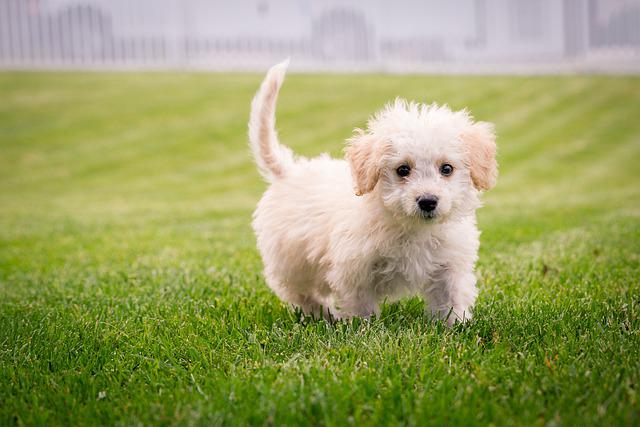
Puppies frequently bark when left alone, primarily due to separation anxiety, boredom, or a natural instinct to communicate. This behavior can be distressing for both the puppy and the owner, highlighting the importance of understanding the underlying causes.
Separation anxiety is a prevalent issue in puppies, often manifesting as barking when they feel isolated. This can stem from a lack of socialization or negative past experiences. Boredom is another major factor; puppies that lack mental and physical stimulation may bark out of frustration. Additionally, some puppies bark simply to express their need for attention or to alert their owners to perceived threats. Addressing these issues is crucial for reducing excessive barking and promoting a happier puppy.
Many owners mistakenly assume that barking is just a phase that will pass. However, it’s vital to take proactive measures to address the root causes. Ignoring the problem can lead to more severe behavioral issues down the line. Training, socialization, and creating a comfortable environment are essential steps in helping your puppy feel secure and less likely to bark when left alone.
Understanding Separation Anxiety in Puppies
Separation anxiety is a significant cause of barking in puppies. It occurs when a puppy becomes overly attached to their owner and experiences distress when left alone. This can lead to not only barking but also destructive behaviors. Recognizing the signs of separation anxiety is the first step in addressing the issue.
Puppies with separation anxiety may exhibit other behaviors such as whining, howling, or even attempting to escape their confinement. It’s essential to identify these signs early. One effective method is to gradually acclimate your puppy to being alone for short periods, gradually increasing the duration as they become more comfortable.
Many owners mistakenly believe that punishing a barking puppy will solve the problem. However, this approach often exacerbates anxiety. Instead, focus on positive reinforcement techniques to encourage calm behavior when you leave and return home.
Effective Strategies to Reduce Barking
Implementing effective strategies can significantly reduce your puppy’s barking when left alone. One of the most effective methods is desensitization, where you gradually train your puppy to be alone for short periods, gradually increasing the time as they adapt.
Providing engaging toys can also help distract your puppy. Puzzle toys filled with treats can keep them occupied and reduce their focus on barking. Additionally, creating a safe and comfortable space, such as a cozy crate or designated area, can help your puppy feel secure when you are not home.
It’s essential to establish a consistent routine. Puppies thrive on predictability, so having a regular schedule for feeding, walks, and playtime can help them feel more secure and less anxious when left alone.
The Role of Physical and Mental Stimulation
Physical and mental stimulation are crucial in preventing excessive barking. Puppies need regular exercise to expend energy, which can help reduce anxiety and boredom. Daily walks, play sessions, and interactive games can provide the physical activity they require.
Mental stimulation is equally important. Engaging your puppy with training sessions, puzzle toys, or scent games can keep their minds occupied. A tired puppy is less likely to bark out of boredom or anxiety.
Many owners overlook the importance of mental enrichment. Incorporating a variety of activities into your puppy’s routine can lead to a more balanced and content pet. Consider rotating toys or introducing new games to keep your puppy engaged.
Common Mistakes to Avoid
When addressing barking in puppies, it’s important to avoid common pitfalls. One major mistake is leaving your puppy alone for too long too soon. Gradual acclimatization is key to helping them adjust.
Another mistake is using punishment as a response to barking. This can increase anxiety and worsen the behavior. Instead, focus on positive reinforcement and rewarding calm behavior.
Many owners also fail to provide enough mental and physical stimulation. Ensuring your puppy has adequate exercise and engaging activities is essential for reducing barking and promoting overall well-being.
Further Reading
Authoritative Sources
- Understanding Puppy Barking
akc.orgThis resource provides insights into the reasons behind puppy barking and offers practical solutions for pet owners
- Barking: A Common Dog Behavior
aspca.orgA comprehensive overview of barking behaviors in dogs, including causes and training tips
Frequently Asked Questions
What should I do if my puppy barks when left alone?
Start by gradually desensitizing your puppy to being alone. Use positive reinforcement to encourage calm behavior and provide engaging toys to keep them occupied.
How can I tell if my puppy has separation anxiety?
Signs of separation anxiety include excessive barking, whining, destructive behavior, and attempts to escape when left alone.
Is it normal for puppies to bark when left alone?
Yes, it is common for puppies to bark when left alone, but it can indicate anxiety or boredom that should be addressed.
What are some effective distractions for my puppy?
Puzzle toys, chew toys, and interactive games can help distract your puppy and reduce barking when they are alone.
How long can I leave my puppy alone?
Generally, puppies can be left alone for short periods, gradually increasing the duration as they become more comfortable, but avoid leaving them alone for more than a few hours initially.