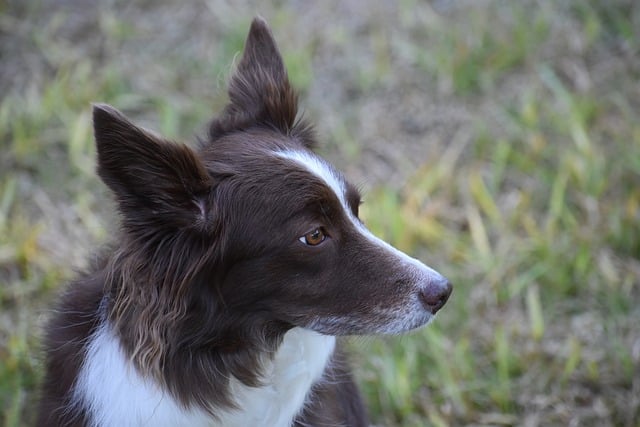
Puppies frequently urinate right after coming indoors, typically due to excitement or an inability to control their bladders. This reaction is often triggered by the transition from the outdoor environment, where they may have relieved themselves, to the indoor space, which can create a sense of urgency. Understanding this behavior is crucial for puppy owners who want to manage and modify it effectively.
When a puppy rushes inside and immediately squats to pee, it can be frustrating for owners. However, recognizing that this behavior is often linked to their age and developmental stage is important. Young puppies, especially those under six months, have limited bladder control and may not yet grasp the concept of waiting to urinate until they reach a designated spot indoors. This lack of control, combined with the excitement of returning home, can lead to accidents.
Understanding Puppy Behavior
The behavior of peeing immediately upon entering the house can be categorized as a natural reaction for many puppies. They may be overwhelmed by the transition from outside to inside, leading to excitement or anxiety. As a result, they may not have the awareness or control to hold their bladder until they are settled. Puppies are learning to navigate their environment, and this behavior is often part of their adjustment.
Owners should consider that this action is not necessarily a sign of disobedience but rather a developmental phase. Proper understanding and patience are vital for helping puppies learn appropriate bathroom habits. Recognizing the signs of urgency can also guide owners in managing their puppy’s needs more effectively.
Common Causes of Indoor Urination
There are several reasons why a puppy may urinate immediately after coming inside. One primary cause is excitement, which can trigger a physical response, leading to involuntary urination. Another factor is the puppy’s age; younger puppies have less control over their bladder, making it more challenging to hold it in during transitions.
Additionally, some puppies may struggle with anxiety when entering a new environment, causing them to urinate out of nervousness. It’s essential for owners to identify which specific triggers lead to this behavior in their puppies to address it effectively.
Training Strategies to Prevent Indoor Accidents
To reduce the frequency of indoor urination, owners can implement a few training strategies. First, establishing a consistent outdoor bathroom schedule is crucial. Taking the puppy out after meals, playtime, and naps ensures they can relieve themselves before coming indoors.
Additionally, rewarding the puppy for calm behavior when entering the house can reinforce the desired response. Using treats and praise can help them associate coming inside with positive reinforcement rather than excitement that leads to peeing. Gradually, they will learn to control their bladder until they are in a more appropriate spot.
Timing and Consistency in Training
Timing is critical when addressing this behavior. Owners should be aware of their puppy’s bathroom needs and provide ample opportunities to relieve themselves outside before coming indoors. Consistency in training methods is also vital; using the same commands and routines helps the puppy understand expectations.
As the puppy matures, bladder control typically improves, but it may take time and dedication from the owner to ensure successful training. Regular monitoring and adapting the training approach based on the puppy’s progress can lead to long-term success.
Frequently Asked Questions
Why does my puppy pee when excited?
Excitement can trigger a physical response in puppies, leading to involuntary urination. This is a common behavior, especially in young dogs who have not yet learned to control their bladders.
How can I train my puppy not to pee indoors?
Establish a consistent outdoor bathroom schedule, reward calm behavior upon entering the house, and provide opportunities for your puppy to relieve themselves outside regularly.
Is it normal for puppies to have accidents indoors?
Yes, puppies often have accidents indoors as they are still learning bladder control and may not yet understand where it is appropriate to urinate.
What should I do immediately after my puppy pees inside?
Calmly clean the area without scolding your puppy. Focus on reinforcing positive behavior when they urinate outside instead.
How long does it take for a puppy to learn bladder control?
Bladder control usually develops as puppies mature, typically improving significantly by six months of age, but consistent training and patience are essential throughout this period.
Conclusion
Understanding why puppies pee immediately after coming inside is crucial for effective training. Recognizing that excitement and limited bladder control are common causes can help owners respond appropriately. Establishing a consistent bathroom routine and reinforcing calm behavior can significantly reduce indoor accidents. With patience and dedication, most puppies can learn to manage their bathroom habits successfully.