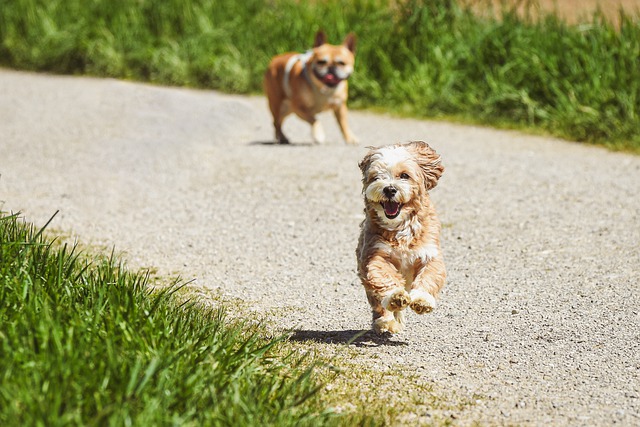
The real challenge isn't understanding unlocking the secrets of effective puppy training: why positive reinforcement works best for puppy training — it's what happens when small oversights, weak priorities, or real-world constraints start compounding.
Positive reinforcement stands out as the most effective approach for puppy training because it not only encourages desired behaviors but also strengthens the bond between you and your furry friend. This method involves rewarding your puppy for good behavior, which motivates them to repeat those actions. Unlike punitive methods, which can instill fear and anxiety, positive reinforcement fosters a positive learning atmosphere, making training sessions enjoyable for both you and your puppy.
Many dog owners mistakenly believe that discipline and punishment are necessary for effective training. However, this approach often leads to confusion, fear, and resistance in puppies. The stakes are high: if you rely on negative reinforcement, you may inadvertently damage your relationship with your pet and hinder their development. Prioritizing positive reinforcement not only enhances learning but also promotes a trusting relationship, where your puppy feels safe and secure.
Understanding Positive Reinforcement
Positive reinforcement is based on the principle of rewarding desired behaviors to encourage their recurrence. This can include treats, praise, or playtime, which serve as incentives for your puppy to repeat good behavior. The effectiveness of this technique lies in its ability to create a positive association with specific actions, making your puppy more likely to engage in those behaviors in the future.
It’s essential to understand that timing and consistency are crucial when implementing positive reinforcement. Rewards should be given immediately after the desired behavior occurs to help your puppy connect the action with the reward. Failing to do so can lead to confusion, where your puppy may not understand what behavior is being rewarded. This method can be applied to various training scenarios, from basic commands to house training.
Common Mistakes in Puppy Training
One of the most significant pitfalls in puppy training is inconsistency. If you reward good behavior one day and ignore it the next, your puppy will become confused about what is expected. Additionally, many owners unintentionally reinforce negative behaviors by giving attention to unwanted actions, thinking they are correcting them. For example, scolding a puppy for jumping may inadvertently give them the attention they seek.
Another common mistake is using the wrong type of rewards. While treats are effective, they should not be the only form of reinforcement. Incorporating verbal praise and physical affection can enhance the training experience. Moreover, relying solely on treats can lead to overeating and health issues. Instead, consider varying your rewards to keep your puppy engaged and motivated.
Practical Techniques for Positive Reinforcement
Implementing positive reinforcement can be straightforward with the right techniques. Start by identifying your puppy’s favorite rewards, whether they be treats, toys, or praise. Use these rewards consistently to reinforce desired behaviors, such as sitting, staying, or coming when called. For instance, when your puppy sits on command, immediately offer a treat along with verbal praise.
Additionally, consider using clicker training as a method of positive reinforcement. A clicker can provide a clear and consistent sound that marks the exact moment your puppy exhibits the desired behavior. This method enhances communication and helps your puppy learn more effectively. Remember to gradually phase out treats as your puppy becomes more proficient in their training, transitioning to praise and affection to maintain their motivation.
Evaluating Your Training Environment
The environment in which you train your puppy can significantly impact their learning experience. A quiet, distraction-free space is ideal for initial training sessions. As your puppy becomes more proficient, gradually introduce distractions to help them learn to focus in various situations. This approach is essential for real-world application, where distractions are inevitable.
Be mindful of your own emotions during training sessions. Puppies can sense your stress or frustration, which can create anxiety and hinder their learning. Maintaining a calm and positive demeanor will help create a conducive atmosphere for learning. If you find yourself becoming frustrated, it may be beneficial to take a break and return to training when you feel more composed.
Further Reading
Authoritative Sources
- American Kennel Club: Training Your Puppy
akc.orgThis resource provides comprehensive guidelines on positive reinforcement techniques for puppy training
- Association of Professional Dog Trainers
apdt.comOffers insights into effective training practices, emphasizing positive reinforcement methods
- International Association of Animal Behavior Consultants
iaabc.orgA valuable resource for understanding animal behavior and effective training strategies
Frequently Asked Questions
What is positive reinforcement in puppy training?
Positive reinforcement is a training method that involves rewarding your puppy for desired behaviors, encouraging them to repeat those actions.
Why is positive reinforcement preferred over punishment?
Positive reinforcement builds trust and strengthens the bond between you and your puppy, while punishment can lead to fear and anxiety, hindering effective learning.
How can I effectively use treats as rewards?
Use small, high-value treats immediately after your puppy performs the desired behavior, and gradually reduce treat frequency as they learn.
What should I do if my puppy isn’t responding to positive reinforcement?
If your puppy isn’t responding, check the timing of your rewards, ensure you’re using effective rewards, and consider minimizing distractions during training sessions.
Can positive reinforcement be used for older dogs?
Yes, positive reinforcement is effective for dogs of all ages. It can help modify behaviors and strengthen the bond between you and your dog.
Conclusion
In summary, positive reinforcement is the cornerstone of effective puppy training. By focusing on rewarding good behavior, you can foster a trusting relationship and create a positive learning environment for your puppy. Avoid common pitfalls such as inconsistency and reliance on punitive measures. Instead, prioritize practical techniques like clicker training and assess your training environment to enhance your puppy’s learning experience. With patience and consistency, you’ll set your puppy up for success in their training journey.