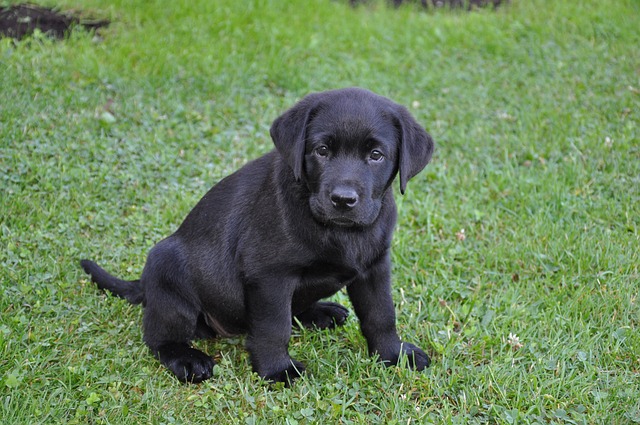
If your puppy growls at you, it’s crucial to recognize that this behavior is typically a form of communication, often indicating fear or discomfort. Growling can signal that your puppy feels threatened or is trying to establish boundaries. Understanding the underlying causes of this behavior is essential for effectively addressing it and ensuring a positive relationship with your pet.
Many owners mistakenly interpret growling as a sign of aggression, leading to punitive reactions that can exacerbate the problem. Instead, it’s vital to consider the context in which the growl occurs. Common triggers include sudden movements, unfamiliar people, or situations where the puppy feels cornered. Addressing the root cause of the growl can help you respond appropriately and foster a trusting environment.
Recognizing the Reasons Behind Growling
Understanding why your puppy growls is the first step in addressing the behavior. Common reasons include fear, anxiety, or a desire to protect resources such as food or toys. Puppies may also growl during play as a way to communicate excitement or assert themselves. It’s essential to observe the context of the growl to determine the underlying cause.
For instance, if your puppy growls when you approach while they are eating, they may be exhibiting resource guarding behavior. In such cases, it’s vital not to punish the growl, as this can lead to more severe aggressive behaviors. Instead, work on gradually desensitizing your puppy to your presence during meal times, using positive reinforcement to create a more comfortable environment.
Immediate Steps to Take
When a puppy growls at you, your immediate response is critical. The first step is to stay calm and avoid reacting with fear or aggression, as this can escalate the situation. Instead, assess the environment and identify any possible triggers, such as loud noises or other pets. By addressing these factors, you can help your puppy feel more secure.
Additionally, give your puppy space if they seem scared or anxious. Allow them to retreat to a safe area where they can calm down. Once the environment is more relaxed, consider offering treats or engaging in gentle play to reinforce positive interactions. This helps your puppy associate your presence with safety and comfort.
Long-Term Strategies for Prevention
To prevent future growling incidents, it’s essential to implement long-term training strategies. Consistent positive reinforcement training can help your puppy learn appropriate behaviors and build confidence. Teaching commands such as ‘sit’ and ‘stay’ can create a structure that reduces anxiety and fosters trust.
Socialization is also crucial in preventing fear-based growling. Expose your puppy to various environments, people, and other animals in a controlled manner. Gradually increasing their exposure helps them become more adaptable and less prone to fear responses. Always reward calm behavior during these interactions to reinforce positive associations.
When to Seek Professional Help
If your puppy’s growling persists or escalates, it may be time to seek professional assistance. A certified dog trainer or animal behaviorist can provide tailored strategies to address the specific issues your puppy is facing. They can help you understand your puppy’s behavior better and offer guidance on effective training techniques.
In cases where growling is accompanied by other aggressive behaviors, such as snapping or biting, it’s crucial to address these issues promptly. Professional guidance can ensure the safety of both your puppy and those around them, promoting a more harmonious living environment.
For more information on understanding puppy behavior and effective training techniques, consider exploring resources from reputable dog training organizations or veterinary behaviorists. These sources can provide valuable insights into canine communication and behavior management.
Frequently Asked Questions
What should I do if my puppy growls at me?
Stay calm and assess the situation to identify potential triggers. Give your puppy space and avoid punishing the growl.
Is growling always a sign of aggression?
No, growling can also indicate fear, anxiety, or playfulness. Understanding the context is key to interpreting the behavior.
How can I prevent my puppy from growling?
Implement positive reinforcement training and socialization to build confidence and reduce anxiety in your puppy.
Should I consult a professional trainer?
If growling persists or escalates, seeking professional help can provide tailored solutions for your puppy’s behavior.
What is resource guarding?
Resource guarding is when a dog growls or acts aggressively to protect food, toys, or other possessions from perceived threats.
Further Reading
Authoritative Sources
- Canine Behavior – What Should I Do When My Dog Growls?
greenacreskennel.comIf the growling and aggression are not due to medical reasons it is time to seek a consultation with a credentialed and experienced dog behavior ...
- Puppy Growling When Picked Up: What It Means & How to Fix It
dogsenseguide.comIs your puppy growling when picked up? Discover the real reasons — fear, pain, or guarding — and learn vet-approved tips to stop it safely.
Conclusion
In closing, understanding why your puppy growls is critical for fostering a positive relationship. By recognizing the triggers and responding appropriately, you can help your puppy feel safe and secure. Implementing consistent training and socialization practices will further reduce the likelihood of growling incidents. If challenges persist, don’t hesitate to seek professional guidance to ensure both your puppy’s well-being and your peace of mind.