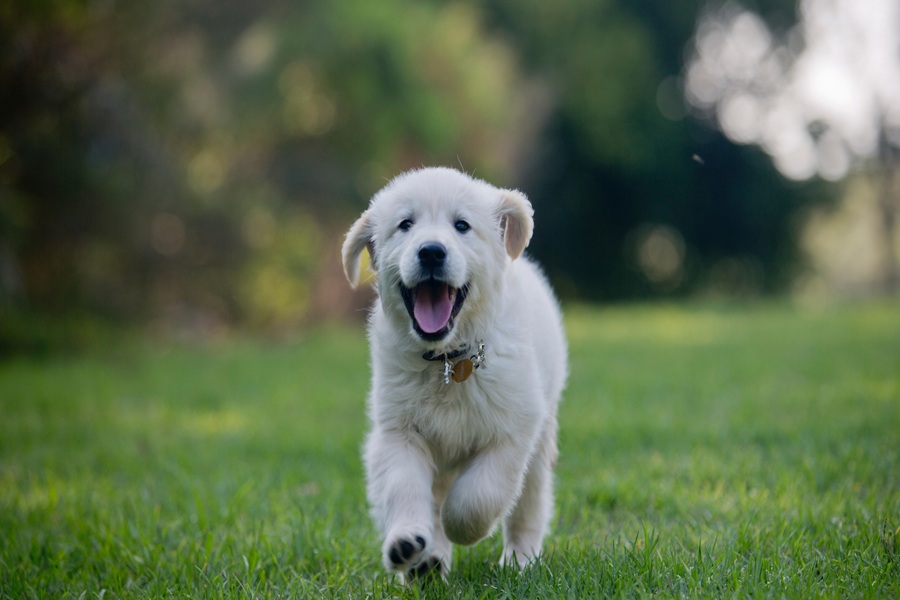
Quick Take: Start with house training by establishing a consistent schedule for bathroom breaks and using positive reinforcement. Teach basic commands like sit, stay, and come using treats and praise, and socialize your puppy with different people and environments. Set boundaries early to prevent bad habits, and ensure regular veterinary visits for health checks and vaccinations. Consistency, patience, and positive reinforcement are key to effective puppy training.
Contents
- A Simple Path to Sustainable Train Puppy
- Understanding the Foundations of Puppy Training
- Implementing Eco-Friendly Training Practices
- Step-by-Step Training Strategies for Your Puppy
- Addressing Common Challenges Sustainably
- The Role of Nutrition in Sustainable Puppy Training
- Monitoring Progress and Adjusting Your Approach
- The Benefits of Sustainable Puppy Training
- Conclusion: Your Path to a Happy, Healthy Puppy
- Other Questions People Ask
- How do I start training my puppy?
- What are the best methods for housebreaking a puppy?
- What tools or supplies do you need for train puppy?
A Simple Path to Sustainable Train Puppy
Start with house training by establishing a consistent schedule for bathroom breaks and using positive reinforcement. Teach basic commands like sit, stay, and come using treats and praise, and socialize your puppy with different people and environments. In the following sections, we’ll unpack Training a Puppy, share practical tips and guide you through every step.
Understanding the Foundations of Puppy Training
Before diving into specific techniques, it’s essential to grasp the core principles that underpin successful puppy training. These include patience, consistency, positive reinforcement, and environmental awareness. Puppies are naturally curious and eager to learn, but they also require clear boundaries and gentle guidance to thrive.
For example, establishing a routine helps your puppy understand what to expect throughout the day, reducing anxiety and promoting good behavior. Consistent commands and signals ensure your puppy learns to associate specific words or gestures with actions, making training more effective. Moreover, using positive reinforcement—such as treats, praise, or play—encourages your puppy to repeat desirable behaviors rather than resorting to punishment or negative methods.
Implementing Eco-Friendly Training Practices
Sustainable training extends beyond behavior modification; it also involves minimizing environmental impact. Here are some eco-conscious practices to incorporate into your puppy training routine:
- Use eco-friendly training tools: Opt for biodegradable collars, leashes made from recycled materials, and natural fiber toys. These items reduce plastic waste and are safer for your puppy’s health.
- Choose sustainable treats: Prepare homemade treats using organic ingredients or purchase treats from companies committed to sustainability. Avoid plastic packaging and select products with minimal environmental footprints.
- Reduce waste: Clean up after your puppy with biodegradable waste bags. Proper disposal prevents pollution and keeps your local environment clean.
- Limit resource consumption: Use energy-efficient lighting during indoor training sessions and avoid excessive use of electronic devices that consume electricity unnecessarily.
Step-by-Step Training Strategies for Your Puppy
Effective puppy training involves a series of structured steps that build upon each other. Here’s a detailed plan to help you get started:
1. Establish a Routine
Puppies thrive on predictability. Set regular times for feeding, potty breaks, play, and training sessions. For example, feed your puppy at the same times each day—say 7:00 AM, 12:00 PM, and 6:00 PM—and take them outside immediately after meals for potty training.
This consistency helps your puppy associate specific times with certain activities, reducing accidents indoors and promoting good habits.
2. Create a Designated Training Area
Designate a quiet, comfortable space in your home where you conduct training sessions. This could be a corner of the living room with a soft mat or a small outdoor yard. Having a specific area minimizes distractions and helps your puppy focus during lessons.
For example, use this space for teaching basic commands like sit, stay, and come, gradually increasing complexity as your puppy progresses.
3. Use Positive Reinforcement Techniques
Reward-based training is proven to be the most effective and humane method. When your puppy performs a desired behavior, immediately reward them with a treat, praise, or a favorite toy. For instance, if your puppy sits on command, give them a small treat and say “Good boy!” in an enthusiastic tone.
This approach encourages your puppy to repeat the behavior because they associate it with positive outcomes.
4. Teach Basic Commands Early
Start with simple commands such as “sit,” “stay,” “come,” and “leave it.” Use clear, consistent words and gestures. For example, hold a treat close to your puppy’s nose and then move it upward while saying “sit.” When they sit, reward immediately.
Practicing these commands daily builds a foundation for more advanced training and helps keep your puppy safe in various situations.
5. Socialize Your Puppy Responsibly
Socialization is critical during the early months. Expose your puppy to different people, animals, environments, sounds, and surfaces in a controlled manner. For example, arrange supervised playdates with vaccinated dogs or take short walks in busy parks.
This exposure reduces fearfulness and aggression later in life while fostering confidence and adaptability.
Addressing Common Challenges Sustainably
Puppy training can come with hurdles such as chewing, barking, or potty accidents. Here’s how to handle these issues sustainably:
- Chewing: Provide plenty of eco-friendly chew toys made from natural rubber or hemp. Redirect destructive chewing onto these toys instead of furniture or shoes.
- Barking: Use positive reinforcement to teach quiet commands. When your puppy stops barking on command, reward them immediately. Avoid shouting or harsh punishments that can harm their emotional well-being.
- Potty accidents: Be patient and consistent. Use biodegradable pads or outdoor areas for potty training. Clean accidents with eco-friendly cleaning solutions that do not harm the environment.
The Role of Nutrition in Sustainable Puppy Training
A balanced diet plays a vital role in your puppy’s ability to learn and behave well. Choose organic or sustainably sourced pet foods that meet nutritional standards set by reputable organizations like the Association of American Feed Control Officials (AAFCO). Avoid foods with artificial preservatives or fillers that may harm your puppy or the environment.
Proper nutrition supports cognitive development, energy levels, and overall health—key factors in successful training outcomes.
Monitoring Progress and Adjusting Your Approach
Every puppy is unique; some may pick up commands quickly while others need more time. Keep a training journal to track progress and note what techniques work best for your pup. If certain methods aren’t effective after consistent effort, consider consulting a professional dog trainer who emphasizes sustainable practices.
Regularly review your routines and adapt as your puppy grows. For example, as they mature, introduce more complex commands or longer training sessions while maintaining patience and positive reinforcement.
The Benefits of Sustainable Puppy Training
Adopting sustainable training methods offers numerous advantages:
- Healthier environment: Reduced plastic waste and eco-friendly products lessen your carbon footprint.
- Better emotional well-being: Gentle training fosters trust and strengthens your bond with your puppy.
- Long-term obedience: Positive reinforcement encourages consistent good behavior that lasts into adulthood.
- Ethical pet ownership: Respecting animal welfare aligns with compassionate values and responsible stewardship of the planet.
Conclusion: Your Path to a Happy, Healthy Puppy
Training your puppy sustainably is not only achievable but also deeply rewarding. By integrating eco-friendly practices with proven behavioral techniques, you create a nurturing environment that benefits both your pet and the planet. Remember to be patient, consistent, and compassionate throughout the process. With dedication and mindfulness, you’ll raise a well-behaved puppy who is happy, healthy, and environmentally conscious—setting the foundation for a lifelong bond built on trust and respect.
Other Questions People Ask
How do I start training my puppy?
Begin training your puppy as soon as you bring them home by establishing a consistent routine and using positive reinforcement. Keep training sessions short and frequent to hold their attention and prevent frustration. Focus on basic commands like sit, stay, and come, gradually increasing difficulty as your puppy learns. Patience and consistency are key to successful training.
What are the best methods for housebreaking a puppy?
Housebreaking a puppy involves establishing a regular schedule for bathroom breaks and rewarding them immediately when they go outside. Supervise your puppy closely indoors to prevent accidents and use crate training to help them learn bladder control. Consistent praise and patience are essential, and avoid punishment for accidents, instead focusing on positive reinforcement.
What tools or supplies do you need for train puppy?
For train puppy, you typically need a few basic items. Beginners should secure at least three core tools—for instance, a measuring tape, a durable container or workspace, and a notepad for tracking results. Investing in sturdy, well‑chosen equipment prevents delays and keeps costs manageable. Starting with these essentials lets you focus on technique rather than gear.