Quick Take: The best toys for keeping a puppy entertained include durable chew toys, interactive puzzle toys, and soft plush toys. Activities like fetch, tug-of-war, and basic obedience training help stimulate their mind and burn energy. Providing a variety of toys and rotating them prevents boredom and encourages healthy play. Regular engagement with your puppy through these activities promotes mental development and strengthens your bond.
Article Guide
- Effective Strategies for Puppy Care and Entertainment
- Establishing a Consistent Routine
- Proper Nutrition for Growing Puppies
- Socialization: Building Confidence and Good Manners
- Training Techniques for Obedience and Good Behavior
- Choosing Safe Toys for Mental and Physical Stimulation
- Physical Exercise: Keeping Your Puppy Active
- Creating a Safe Environment at Home
- Monitoring Health and Regular Vet Visits
- Building a Strong Bond Through Play and Care
- Conclusion
- Popular Questions
- What is the recommended feeding frequency for my puppy?
- What are the best ways to house train a puppy?
- How can I socialize my puppy effectively?
Effective Strategies for Puppy Care and Entertainment
Caring for a puppy involves more than just providing food and shelter; it’s about creating an environment that nurtures their curiosity and energy. Engaging your puppy with a variety of toys and activities not only keeps them entertained but also supports their mental and physical development. Carefully chosen toys like durable chew items and interactive puzzles stimulate their natural instincts, while playful games like fetch and tug-of-war help burn off excess energy. Rotating toys regularly prevents boredom and keeps playtime fresh, fostering a stronger bond between you and your new furry friend.
Establishing a Consistent Routine
One of the most important foundations for caring for a puppy is establishing a consistent daily routine. Puppies thrive on predictability, which helps reduce anxiety and promotes good behavior. Set specific times for feeding, potty breaks, playtime, training, and rest. For example, feed your puppy at the same times each day—such as 7:00 AM, 12:00 PM, and 6:00 PM—to regulate their digestion and create a sense of security.
In addition to feeding schedules, incorporate regular potty breaks every 2-3 hours during the day, especially during the first few months. Use a designated area outside that your puppy can associate with elimination. This consistency accelerates house training and minimizes accidents inside the house.
Creating a daily schedule also involves designated playtimes and quiet periods. For instance, after a vigorous play session in the morning, allow your puppy to rest in their crate or bed. This balance between activity and rest supports healthy development and prevents overstimulation.
Proper Nutrition for Growing Puppies
Nutrition is crucial during a puppy’s growth phase. Providing a balanced diet tailored for puppies ensures they receive essential nutrients like calcium, DHA, and high-quality proteins necessary for healthy bone development, brain growth, and immune function. Consult your veterinarian to select a premium puppy food that matches your puppy’s breed size and health needs.
For example, large-breed puppies such as Labrador Retrievers or Golden Retrievers require diets formulated to prevent rapid growth that can lead to joint issues. Small-breed puppies like Chihuahuas or Yorkshire Terriers need nutrient-dense foods that support their faster metabolism.
In addition to commercial puppy food, incorporate safe treats for training and bonding. Fresh vegetables like carrots or green beans can be healthy options, but avoid toxic foods such as chocolate, grapes, or onions. Always provide fresh water and monitor your puppy’s weight to prevent obesity, which can lead to long-term health problems.
Socialization: Building Confidence and Good Manners
Early socialization is vital for developing a well-adjusted adult dog. Expose your puppy to different people, animals, environments, sounds, and experiences in a controlled and positive manner. For example, arrange supervised playdates with vaccinated puppies or friendly adult dogs to teach proper canine social skills.
Visit busy parks or pet-friendly stores to familiarize your puppy with various sights and sounds. Use treats and praise to reinforce calm behavior during these outings. For instance, if your puppy encounters a vacuum cleaner or loud traffic noise without fear, they are more likely to grow into confident adults.
Enroll in puppy socialization classes offered by certified trainers or local pet organizations. These classes also provide valuable guidance on handling common behavioral issues like jumping or nipping.
Training Techniques for Obedience and Good Behavior
Training is an ongoing process that shapes your puppy’s behavior and strengthens your bond. Use positive reinforcement methods such as treats, praise, and play to encourage desired behaviors. For example, reward your puppy immediately after they sit on command with a small treat and affectionate praise.
Consistency is key—use the same commands and cues every time. For instance, always say “come” in a cheerful tone when calling your puppy back from exploring outside. Be patient; puppies have short attention spans but respond well to gentle persistence.
Address undesirable behaviors like biting or chewing on furniture by redirecting their attention to appropriate toys or activities. Crate training can also be effective in teaching your puppy boundaries and providing them with a safe space.
Choosing Safe Toys for Mental and Physical Stimulation
Puppies are naturally curious and energetic; providing the right toys keeps them entertained while supporting their development. Select toys that are safe, durable, and appropriate for their size and chewing strength. For example, rubber chew toys like Kongs are excellent for teething puppies because they are tough yet gentle on gums.
Interactive toys that challenge your puppy’s mind include puzzle feeders filled with treats or toys that require problem-solving skills. These stimulate cognitive development and can help prevent boredom-related behaviors such as excessive barking or destructive chewing.
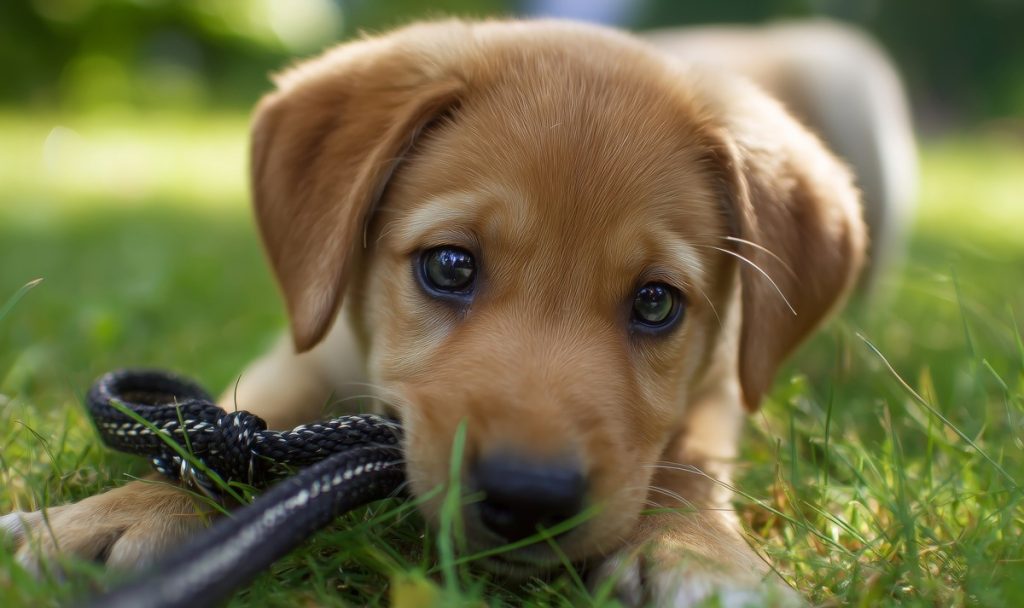
Soft plush toys are suitable for gentle play and comfort but should be monitored to prevent ingestion of stuffing or small parts. Rope toys are great for tug-of-war games that promote bonding and exercise.
Physical Exercise: Keeping Your Puppy Active
Regular physical activity is essential for maintaining your puppy’s health and preventing behavioral problems caused by pent-up energy. Short, frequent walks suited to their age and breed are ideal. For example, a small breed puppy may only need 10-15 minute walks several times a day, while larger breeds may require longer sessions.
In addition to walks, incorporate play sessions with fetch, frisbee, or agility exercises if space allows. These activities help develop coordination and muscle strength while providing mental stimulation.
Be mindful of your puppy’s age; avoid high-impact activities during growth spurts to protect developing joints. Always supervise outdoor play to prevent accidents or encounters with hazards like traffic or other animals.
Creating a Safe Environment at Home
Ensuring your home is safe for a curious puppy involves removing hazards such as electrical cords, small objects that could be swallowed, toxic plants, or chemicals. Use baby gates to restrict access to unsafe areas like stairs or kitchens until your puppy learns boundaries.
Designate specific areas for eating, sleeping, and playing to help your puppy feel secure. Provide a comfortable crate or bed in a quiet corner where they can retreat when overwhelmed or tired.
Regularly inspect your environment for potential dangers and keep cleaning supplies or medications out of reach. Puppy-proofing your home creates peace of mind and promotes healthy development.
Monitoring Health and Regular Vet Visits
Routine veterinary check-ups are essential during the first year of your puppy’s life. Vaccinations protect against common diseases such as parvovirus, distemper, and rabies. Discuss deworming schedules and flea/tick prevention with your vet.
Watch for signs of illness such as lethargy, vomiting, diarrhea, or changes in appetite. Early intervention can prevent minor issues from becoming serious health problems.
Maintain a record of vaccinations, vet visits, and milestones like first grooming or training sessions to track your puppy’s progress.
Building a Strong Bond Through Play and Care
The foundation of a happy relationship with your puppy is built through consistent care and engaging play. Spend quality time cuddling, training, and exploring together. This not only enhances trust but also helps your puppy develop into a well-mannered companion.
For example, daily interactive play sessions using toys like squeaky balls or tug ropes foster physical activity while strengthening your bond. Incorporate gentle grooming routines such as brushing fur or cleaning ears to promote comfort and familiarity with handling.
Remember that patience and positive reinforcement are key—celebrate small successes and provide plenty of affection to nurture confidence and love.
Conclusion
Caring for a puppy involves a multifaceted approach that combines proper nutrition, socialization, training, mental stimulation, physical activity, safety measures, health monitoring, and emotional bonding. By implementing these strategies thoughtfully and consistently, you set the stage for your puppy’s lifelong happiness and well-being. Remember that every puppy is unique; adapt these guidelines to suit their individual needs and personality. With patience, dedication, and love, you will enjoy watching your furry friend grow into a loyal and joyful companion for years to come.
Popular Questions
What is the recommended feeding frequency for my puppy?
Puppies typically need to be fed three to four times a day, depending on their age and breed. It’s important to provide a balanced, high-quality puppy food to support their growth and development. As they grow older, you can gradually reduce feedings to twice a day. Always follow your veterinarian’s recommendations for portion sizes and feeding schedules.
What are the best ways to house train a puppy?
House training a puppy involves establishing a consistent routine, including regular bathroom breaks and positive reinforcement. Take your puppy outside frequently, especially after eating, sleeping, or playing, and praise them when they go in the right spot. Patience and consistency are key, as accidents are normal during the learning process. Using crate training can also help prevent accidents and teach your puppy bladder control.
How can I socialize my puppy effectively?
Socializing your puppy involves exposing them to different people, animals, environments, and sounds in a positive and controlled manner. Start socialization early, ideally between 3 and 14 weeks of age, to help prevent fearfulness later in life. Enroll in puppy classes or arrange safe playdates to build confidence and good behavior. Always ensure interactions are gentle and supervised to promote positive experiences.