Many people worry that taking a dominant role in training their dog will affect their friendly and loving relationship. The following paragraphs are going to open your eyes to a number of tips and tricks that you can employ advantageously. Staying educated on the topic is the best way to have training success.
Gradual increments are easiest on your dog when going through crate training. Once your puppy feels comfortable in the open crate, close the door and offer the dog a treat. Start off small, like 10 seconds at a time, and slowly move up the times. If the puppy becomes upset, you may be progressing too quickly.
Use control when rewarding good behavior during dog training. Giving a reward for an appropriate behavior is correct, but do it quickly and move on. You might be thrilled with that accomplishment, when you are excited, they becomes excited and that cuts down the control in the situation. Be calm, expect calm, then reward appropriately.
Consistency is key when working on crate training with a young dog. Always give the pup the option to go to the bathroom after leaving his crate. Eventually, the puppy will learn to wait to pee until given the opportunity.
Choose a set phrase for house training your dog. Whenever you bring him outside, repeat your chosen phrase in a firm but gentle tone to encourage him to undertake the action and associate the act with the place.
When training your dog make sure you always get his attention in the same manner. Try to use the dog’s name in the start of the command. Then, say the command. Dogs will respond instantly when their name is called if they know they are going to be rewarded.
Take extra care with the tone you use whenever you discipline your dog. Dogs are more receptive to the tones their masters use than you might realize. It is okay to be stern when disciplining your dog.
Leashes can be a new concept for puppies, so have them begin preparing for it by wearing a collar during playtime. Having the puppy get comfortable wearing the collar is important not only so that you can properly use a leash but also that your puppy has the proper identification tags in case he or she takes off.
Is your pet dog eating healthy? A dog who is not eating a healthy diet is much more prone to hyperactivity, bad behavior and aggressiveness. Consider changing your dog’s diet to something more species-appropriate, and he’ll have long-lasting, consistent energy all day. Talk to your dog’s vet to make sure there aren’t any other issues.
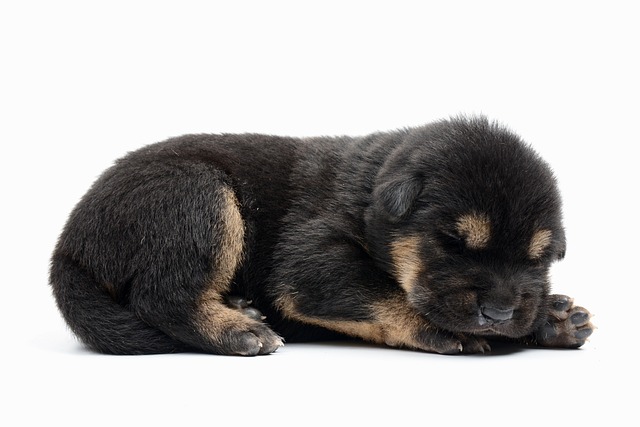
Your dog has to have a consistent set of rules in order to learn the difference between right and wrong. You will need help from everyone in the family to teach this. This will undermine your efforts and make you work twice as hard to train your dog.
Has your dog been tugging the leash? This issue is often faced by dog owners, but is quite easy to fix. The right harness will cut pulling quickly and can be purchased at any pet store.
When training your dog never punish him; doing so will only make him be resistant to any further training. You should make every effort to prevent the behavior in the first place, but if your pet does misbehave, show him what he should have done instead. Training sessions are a time to bond with your pet, and instead of instilling fear in your dog, the process should result in a positive and loving relationship.
Training your dog can be much easier if you use a crate. For crate training to be effective, you must make sure to let the dog out frequently. Over a period of time, crate trained dogs are less likely to use the restroom inside the house.
Older Dog
Though you actually can teach older dogs some new things, it is important to take note of medical problems or other conditions that could reduce an older dog’s readiness to perform certain tasks. You cannot require an arthritic older dog to crawl or do other stunts a younger dog could do, for example. Training stimulates your dog’s cognitive functions. This is especially helpful if your dog is getting old. Remember that the last thing you want to do is force your older pet to perform certain tricks or behaviors that may cause physical discomfort.
You are now ready to begin training your pooch. Become a better trainer, listener and friend to your dog by following the advice from this article. This simple advice can take you a long way.