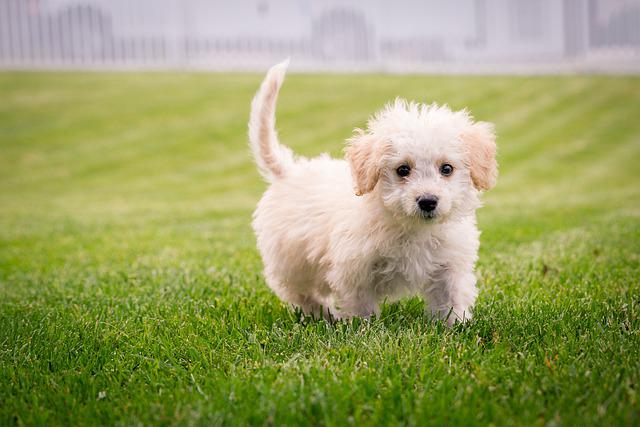
Training a puppy to sleep in a crate peacefully requires creating a safe and comforting environment that encourages relaxation. Use positive reinforcement techniques, such as treats and praise, to build a positive association with the crate. This approach helps your puppy feel secure and reduces anxiety during sleep times.
One common mistake many new puppy owners make is forcing their puppy into the crate without proper introduction. This can lead to fear or resistance, making it much harder for the puppy to adapt. Instead, allow your puppy to enter the crate voluntarily, and reward them for doing so. It’s essential to keep the crate a positive space by ensuring it’s comfortable, with a soft bed and their favorite toys. Setting a consistent bedtime routine will also help signal to your puppy that it’s time to wind down.
Additionally, consider the crate’s location. Placing it in a quiet area away from distractions can help your puppy feel more secure. If your puppy shows signs of distress, such as whining or barking, it’s important to remain calm and avoid reinforcing the behavior by letting them out immediately. Instead, wait for a moment of quiet before opening the crate door.
Understanding Crate Training Basics
Crate training is not merely about confinement; it’s about providing a safe haven for your puppy. The crate should be viewed as a positive space rather than a punishment. Puppies, being den animals, naturally seek small, enclosed spaces for comfort. By understanding this instinct, you can better facilitate the training process.
To successfully crate train your puppy, begin by selecting a crate that is appropriately sized. It should be large enough for them to stand, turn around, and lie down comfortably but not so large that they can use one end as a bathroom. Gradually acclimate your puppy to the crate by allowing them to enter freely and rewarding them for doing so.
Creating a Comfortable Crate Environment
To foster a peaceful sleeping environment, ensure the crate is comfortable and inviting. Use a soft blanket or bed that provides warmth and security. Adding a few of your puppy’s favorite toys can also help them feel more at home. Ensure the crate is in a quiet area of your house where they won’t be disturbed by activity or noise.
Another important factor is temperature control. Ensure the area around the crate is neither too hot nor too cold. Puppies are sensitive to temperature changes, so maintaining a comfortable environment can significantly affect their ability to sleep peacefully.
Establishing a Routine for Peaceful Sleep
Establishing a consistent routine is crucial for helping your puppy settle into a peaceful sleep. Create a nightly ritual that includes calming activities such as a short walk or playtime followed by quiet time before bed. This routine signals to your puppy that it’s time to wind down.
Feeding your puppy at least a few hours before bedtime can also help minimize the chances of needing to go outside during the night. This approach reduces interruptions and helps your puppy develop a more restful sleeping pattern.
Common Mistakes to Avoid
One of the most common mistakes in crate training is using the crate as a form of punishment. This can create a negative association for your puppy, making them fearful of the crate. Instead, always encourage positive experiences within the crate.
Another mistake is not being consistent with training. Consistency helps reinforce the behavior you want to see. If your puppy is allowed to sleep outside the crate sometimes, it can confuse them and make training more challenging. It’s essential to stick to your routine and expectations to help your puppy learn.
To deepen your understanding of crate training and its benefits, consider exploring resources from reputable pet training organizations or veterinary experts. These sources often provide insights into the psychological aspects of crate training and additional tips for successful implementation.
Frequently Asked Questions
How long does it take to crate train a puppy?
Crate training can take several days to weeks, depending on the puppy’s temperament and prior experiences. Consistency and positive reinforcement are key.
Should I cover the crate at night?
Covering the crate can provide a den-like environment that may help some puppies feel more secure, but ensure they have enough ventilation and light.
What if my puppy cries in the crate?
Crying can indicate discomfort or a need to go outside. Wait for a moment of quiet before responding to avoid reinforcing the behavior.
Can I use the crate for long periods?
No puppy should be crated for more than a few hours at a time, especially for young puppies. They need regular breaks to relieve themselves and stretch.
What should I do if my puppy refuses to enter the crate?
If your puppy is hesitant, try using treats or toys to encourage them to enter. Make the crate inviting and avoid forcing them inside.
Conclusion
Successfully training your puppy to sleep in a crate peacefully involves patience, consistency, and understanding. Focus on creating a positive environment, establishing a calming routine, and avoiding common pitfalls. By prioritizing these elements, you can help your puppy feel secure and comfortable in their crate, leading to peaceful nights for both of you. With time and dedication, your puppy will learn to see the crate as a safe haven.