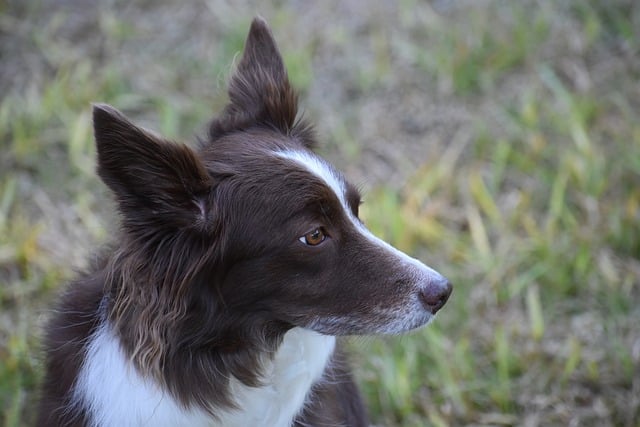
Training multiple puppies simultaneously in one household requires structured routines, clear boundaries, and individual attention to ensure each puppy learns effectively. Utilizing consistent commands and positive reinforcement techniques can help manage their interactions and promote good behavior while reducing confusion and competition among them.
When training several puppies together, it’s essential to establish a consistent training schedule. This ensures that all puppies receive equal attention and helps prevent jealousy or competition. Each puppy should be trained separately for some sessions to focus on individual skills and behaviors. Group training sessions can be beneficial, but they must be managed carefully to avoid distractions and ensure that each puppy is engaged.
Another critical aspect is to use distinct commands and cues for each puppy. This differentiation helps them understand what is expected of them without confusion. Puppies are naturally inclined to learn from each other, so if one puppy excels at a command, others may follow suit. However, it’s vital to recognize that each puppy has its own pace of learning, and patience is key.
Establishing a Training Routine
Creating a structured training routine is vital when managing multiple puppies. Regular training sessions not only help reinforce learning but also establish a predictable environment. Aim for short, focused sessions of about 5-10 minutes, especially for younger puppies, to keep them engaged and attentive.
Incorporating playtime and rewards into the routine is essential. This can be done by using treats, praise, or play as incentives for good behavior. Maintaining a consistent schedule also helps puppies learn to anticipate training times and reinforces the idea that training is a fun and rewarding part of their day.
Understanding Individual Needs
Each puppy is unique and may have different learning styles and paces. Some may respond better to verbal praise, while others might be motivated by treats or toys. It’s crucial to observe each puppy’s reactions during training and tailor your approach accordingly.
Individual training sessions are beneficial for addressing specific behavioral issues or commands that a particular puppy struggles with. These sessions allow for focused attention, helping to build confidence and reinforce positive behaviors without competition from the other puppies.
Managing Group Dynamics
When training multiple puppies together, managing their interactions is essential to prevent chaos. Use a leash or crate to control their movements during training sessions, especially if they become overly excited or distracted. Consider introducing training commands in a quiet area away from distractions to help them focus.
Group training can also foster teamwork among the puppies, as they learn to work together. However, ensure that sessions are structured to minimize competition for attention. Rotate who gets to perform commands first, allowing each puppy to shine without overshadowing the others.
Common Mistakes to Avoid
One common mistake when training multiple puppies is neglecting individual training needs. Focusing solely on group dynamics can lead to some puppies falling behind or becoming frustrated. Make sure to dedicate time to each puppy’s unique challenges.
Another pitfall is inconsistent commands or cues. Using different words or signals for the same action can confuse puppies. Ensure that all family members use the same commands to maintain consistency. Additionally, avoid overwhelming them with too many commands at once; prioritize a few essential commands before expanding their training.
Frequently Asked Questions
What is the best way to train multiple puppies at once?
The best way is to establish a structured routine, use consistent commands, and provide individual attention during training sessions.
How often should I train my puppies?
Train your puppies daily, with short sessions of about 5-10 minutes to keep them engaged and focused.
Can I use the same commands for all my puppies?
Yes, using the same commands can help them learn together, but ensure consistency among all family members.
What should I do if one puppy is not learning as quickly?
Provide additional individual training sessions to address their specific needs and build their confidence.
How can I prevent competition between my puppies during training?
Rotate training turns, use leashes for control, and provide equal attention to each puppy to minimize competition.
Conclusion
Training multiple puppies in the same household effectively requires a balanced approach that prioritizes structure, individual needs, and group dynamics. Establishing a consistent training routine and using distinct commands can foster a positive learning environment. By being mindful of each puppy’s unique learning pace and providing adequate individual attention, you can ensure that all puppies thrive together. Focus on reinforcing good behaviors and addressing any challenges promptly to create a harmonious household.