Huzzah! What happens next? If you train your dog effectively, you and your dog will be much happier. The following tips provide you with the information you need in order to successfully train your dog.
The key to successful crate training with a new canine is making sure they understand that it is their home. All meals and water bowls should be placed within the crate. The crate will then become associated with the food they love.
Only reward your dog if they are calm. Immediately after the animal acts in accordance with your command, reward him. This helps to calm the animal and reinforce your training efforts. You might be happy about the progress your dog has made but you need to quell your excitment. Maintain a calm atmosphere and provide an appropriate reward.
Dogs have a tendency to zone in on one particular thing until something else grabs their attention. With enough training, you will have your dog focusing solely on your signals.
While training your dog, make sure both of you are having fun. The dog will respond more positively to training if you create a better bond between you and them. While training is fun in itself, take some time to just play for enjoyment each day.
Dogs need at least 60 minutes of exercise time every day, on top of training and bathroom breaks. Taking care to see that the dog exercises enough makes their training work go more smoothly and reinforces the importance of good behavior at all times. Your dog will be happier and more responsive when he gets the exercise he needs.
Primary Reinforcement
Use primary reinforcement to train your dog. Primary reinforcement is a positive reinforcement training strategy that relies heavily on things your dog already enjoys. It could be a treat, a toy or even a rub with some kisses. By doing this method of training, your dog will learn that in order to get what they want, they must do what you want.
Ensure you get your dog’s attention using the same methods. Begin each command by using his name. This gets his attention, then you can follow through with the command. Dogs listen for their name because they know it means you will say something else.
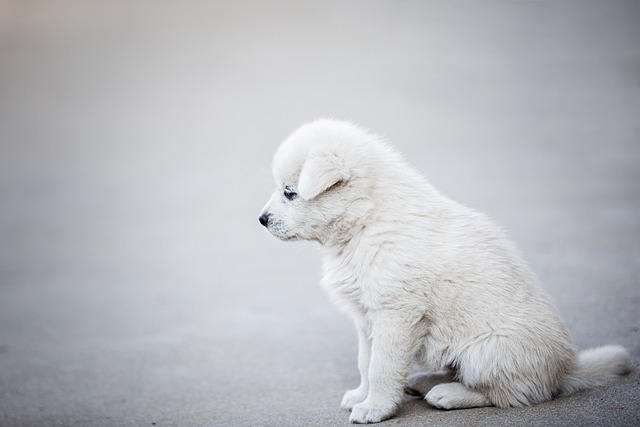
To ensure your dog’s good behavior, keep up its training throughout its life. Training does not stop when your dog leaves his puppy stage. Your dog will continue to be obedient if you use reinforcements. Continuing discipline with them will reduce the chances of bad behavior appearing.
Keep your eyes on other dogs as you walk your own. There are aggressive dogs, and not every owner is at fault. Keep your dog at a distance from angry or aggressive dogs.
Has your dog been tugging the leash? You aren’t alone in this, but it is easy to fix! Head to your nearest pet supply store and pick up a harness for just a few bucks – harnesses dramatically cut down on pulling, and make walks enjoyable again!
Your dog is relying on you to signal when he is right and wrong. If you think it is funny when your dog misbehaves and laugh, your dog will get the wrong idea. This can hinder training and cause you to get frustrated. Always correct him when the situation calls for it.
It terms of barking, take note of the sorts of things that cause your dog to bark a great deal. When you know what causes it, you’ll be able to train him in those situations. For example, invite a friend over to assist you in training your dog if he always barks when that particular friend is around.
If you catch your puppy chewing something that he should not be chewing, put an immediate stop to it. That way your puppy will learn what it is allowed to chew on, and it will not be as likely to chew on the wrong things when you cannot keep a close eye on him.
It is important to realize that as a dog ages, he will have limitations. Older pooches may not be perfectly and easily trainable. You may have to embrace some of their quirks. Understand that if your dog is older, he or she is going to have things already set into their minds that is going to be virtually impossible to remove. It is still possible to teach new things, but more focus should be given to negative behavior avoidance.
A well trained dog is a happy dog, and owners of well trained dogs are pretty happy too. The information that was given to you in this article provides you a great starting point for training your dog.