 When you first get a dog, all you should feel is joy. The joy can slowly shift into frustration in the weeks after that, though! When you’re cleaning up piles of poop, you may regret your decision. However, you can avoid this situation by teaching your dog what you expect from him. The below article will provide some excellent canine training tips so that you can enjoy the time spent with your furry companion.
If you want to train your dog, it helps if you can think like a dog. It’s easy to get irritated with them when they aren’t learning the basics quickly or even at all. Don’t give up! Think how they think instead. Consider how it would be to see the world in their eyes. Doing this will give you a completely different perspective, which should help you in training them.
Regulate your dog’s feeding time if you want to regulate his “potty” times too. Feed your puppy three times regularly each day. Doing so helps you to learn your puppy’s schedule.
Make sure you aren’t enforcing bad behavior without meaning to. Don’t ever reward a dog that is behaving badly. For example, don’t rub your dog’s head when they jump up at you and when you come in the door if you don’t want them to jump.
As you are working to house train your pet, select a single term or phrase that you will use. Whenever the dog is taken out, use the term you have chosen to refer to the process of relieving him or herself, and the pet will make a mental link between going outside and doing just that.
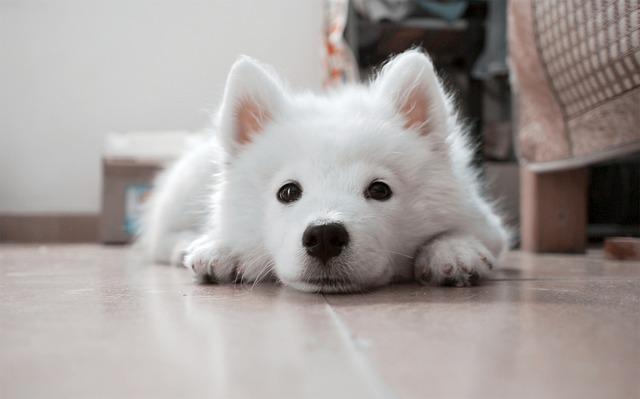
To reduce the barking of your dog, try getting them used to what causes the barking in the first place. It can be a sound, or being face to face with other people or other animals. They’ll learn quickly barking isn’t their best option.
One way to help discipline your dog’s bad behavior is to use a water bottle. This helps the dog learn which behaviors are not acceptable. Before long, your dog will no longer display these behaviors, and will be obedient and playful.
Don’t forget to praise good behavior. Positive reinforcement, shown through your tone and attitude, lets your dog know he has done a good job. Do not reward bad behavior; instead correct unwanted behaviors and praise when your dog responds correctly.
Understand that your every action is teaching your dog and shaping his personality. Finding some of your dogs undesired behaviors amusing can inadvertently reinforce them. Keep directing your dog toward positive behavior without damaging it with negative behavior.
Never, ever reward your dog for bad behavior so that you can quickly stop it. This method will only result in the dog learning to do what it pleases. This includes things like treating to avoid barking.
Training your dog requires equal parts of patience, love, and dog treats. The tips we have provided will get you and your pup started on the road to a wonderful, loving relationship for many years. You can have a more peaceful and happy home if you take the time to train your dog consistently.