Welcome to the ultimate guide to puppy training! Training your new furry friend can be an overwhelming experience, but with the right information and techniques, it doesn’t have to be. In this article, we will cover everything you need to know about puppy training, from when to start to what methods work best for different breeds. Let’s get started!
When to Start Puppy Training:
The sooner you start training your pup, the better. It’s recommended that you begin training as soon as possible, ideally around 8-10 weeks old. This is because puppies are like sponges at a young age; they absorb information quickly and easily. By starting early, you can set a strong foundation of good behavior habits that will last throughout their life.
The Best Potty Training Techniques for Your Puppy:
Potty training is one of the most important aspects of puppy training. No one wants a dog who pees or poops inside the house! There are several potty training techniques you can use, including crate training, paper training, and positive reinforcement training. Crate training involves using a small crate to confine your pup during the day while you’re away. Paper training involves teaching your pup to go on papers instead of carpets or floors. Positive reinforcement training involves rewarding your pup for going outside in designated areas. The key is consistency and patience.
Choosing the Right Obedience Training for Your Dog:
Obedience training is essential for building a strong bond between you and your dog. It also helps establish boundaries and teaches your pup how to behave properly in public settings. There are many types of obedience training available, such as group classes, private lessons, and online courses. Group classes offer socialization opportunities for your pup, while private lessons provide more personalized attention. Online courses allow you to train from home at your own pace. Choose the method that works best for you and your pup.
How Many Days per Week Should You Train Your Dog:
It depends on your schedule and lifestyle. Ideally, you should aim to train your pup for at least 30 minutes per day, five days per week. However, if you lead a busy life, even just ten minutes per day can make a difference. Consistency is key. Remember, training shouldn’t feel like a chore – it should be fun and enjoyable for both you and your pup.
What is the Best Puppy Training Method:
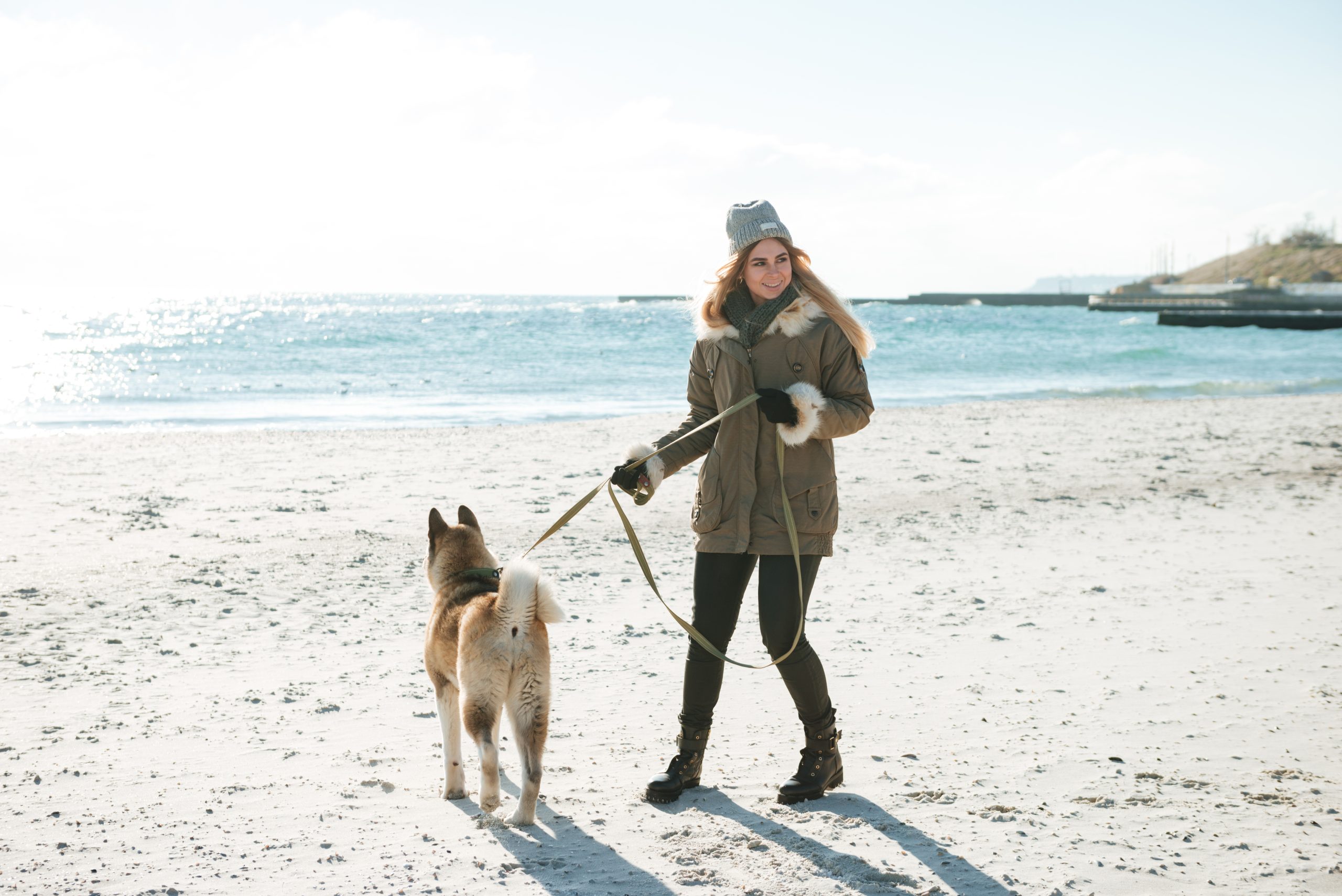
There isn’t necessarily a “best” puppy training method, as each dog is unique and may respond differently to various techniques. That being said, positive reinforcement training has been shown to be highly effective and humane. This method involves rewarding your pup for behaviors you want to encourage (such as sitting on command) rather than punishing them for bad behaviors. Other popular methods include clicker training and leash/collar training. Ultimately, the most important thing is to find a method that works well for you and your pup.
Indoor Puppy Training and Chew Toy Alternatives:
If you live in an apartment or don’t have access to a yard, indoor puppy training can be challenging. One solution is to create a designated area for your pup to relieve themselves, such as a corner of the living room or kitchen. You can also provide chew toys and other distractions to keep your pup entertained and prevent destructive behavior. Some great alternatives include Kong toys filled with treats, rope toys, and puzzle toys. With some creativity and planning, you can successfully train your pup no matter where you live.
In conclusion, puppy training doesn’t have to be difficult or stressful. By following these tips and utilizing the right techniques, you can build a strong relationship with your pup based on trust, respect, and love. Good luck!