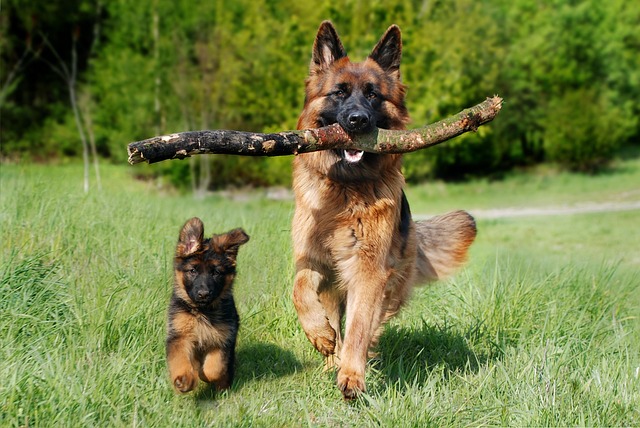
Training a 10-week-old puppy is a critical step in shaping their behavior and ensuring they develop into a well-adjusted adult dog. At this age, puppies are highly receptive to learning and can begin to grasp essential commands such as sit, stay, and come.
However, many new puppy owners make common mistakes that can impede training progress. Inconsistent commands, for example, can confuse your puppy, leading to frustration for both you and the dog. Additionally, relying on negative reinforcement instead of positive methods can create fear and anxiety in your puppy, making training much more difficult. It’s also essential to prioritize socialization during this critical developmental window; exposing your puppy to various environments, people, and other animals will help them become a confident and well-adjusted dog.
Understanding Puppy Behavior
Puppies, especially at 10 weeks, are in a crucial learning phase. They are eager to explore their surroundings and learn from their interactions. Recognizing the natural curiosity and energy of your puppy can help you tailor your training approach. Patience is essential; remember that puppies have short attention spans, so training sessions should be brief but frequent.
To effectively train your puppy, it’s important to understand their behavior and body language. For instance, a wagging tail often indicates excitement, while tucked tails may signal fear. Observing these cues can help you adjust your training techniques to create a more positive experience for your puppy. Always reward good behavior immediately to reinforce the learning process.
Essential Commands to Teach
Starting with fundamental commands is vital for a well-rounded training experience. Commands such as sit, stay, and come form the foundation of obedience training. Teaching these commands can enhance safety and improve your puppy’s behavior in various situations.
For example, the ‘sit’ command can help manage your puppy during meal times or when greeting guests. To teach this command, hold a treat above your puppy’s nose and slowly move it back. As they lower their rear to the ground, say “sit” and reward them immediately. This method is effective because it uses positive reinforcement, encouraging your puppy to repeat the behavior. Make sure to practice these commands in different environments to generalize the training.
Common Training Mistakes
New puppy owners often fall into several traps that can hinder effective training. One of the most common mistakes is inconsistency in commands. Using different words or phrases for the same action can confuse your puppy and slow down their learning process.
Another pitfall is neglecting to reward good behavior promptly. Delayed rewards can lead to confusion about what behavior is being reinforced. Additionally, using negative reinforcement can instill fear rather than encourage learning. Instead, focus on rewarding good behaviors and redirecting unwanted ones in a constructive manner. Remember to be patient; training takes time and persistence.
Socialization Strategies
Socialization is a critical aspect of training a 10-week-old puppy. It involves exposing your puppy to various experiences, people, and other animals in a controlled manner. Proper socialization helps your puppy develop confidence and reduces the likelihood of behavioral issues later in life.
To socialize your puppy effectively, introduce them to different environments, sounds, and sights. Arrange playdates with other vaccinated dogs and take them on short trips to pet-friendly stores or parks. Always monitor your puppy’s reactions and provide positive reinforcement during these experiences. Aim for gradual exposure to new experiences to prevent overwhelming your puppy.
Further Reading
For a deeper understanding of puppy training, consider consulting resources such as the American Kennel Club’s training guides or veterinary behaviorists who specialize in canine development. These resources can provide additional insights into effective training strategies and socialization techniques.
Further Reading
Authoritative Sources
- American Kennel Club
akc.orgTrusted dog training, behavior, breed, and puppy care guidance.
- American Veterinary Medical Association
avma.orgVeterinary guidance and animal health resources from a major professional association.
- ASPCA Pet Care
aspca.orgAnimal care, behavior, and safety resources for pet owners.
- Merck Veterinary Manual
merckvetmanual.comDetailed veterinary reference material on animal conditions, care, and treatment topics.
- AAHA for Pet Owners
aaha.orgPet owner guidance from the American Animal Hospital Association.
Frequently Asked Questions
What is the best way to start training a 10-week-old puppy?
The best way to start training is with basic commands like sit, stay, and come, using positive reinforcement techniques such as treats and praise.
How long should training sessions be for a puppy?
Training sessions should be brief, typically around 5-10 minutes, to maintain your puppy’s attention and enthusiasm.
Should I use punishment in training my puppy?
No, punishment can create fear and anxiety. Focus on positive reinforcement to encourage desired behaviors instead.
How important is socialization for a puppy?
Socialization is crucial as it helps your puppy become well-adjusted and confident, reducing the risk of behavioral issues in adulthood.
What are common mistakes when training a puppy?
Common mistakes include inconsistency in commands, delayed rewards, and using negative reinforcement, which can hinder effective training.
Conclusion
Training a 10-week-old puppy is a rewarding endeavor that sets the stage for a well-behaved adult dog. Focus on establishing a routine, teaching essential commands, and avoiding common pitfalls like inconsistency and negative reinforcement. Prioritize socialization to help your puppy thrive in various environments. With patience and positive reinforcement, you can foster a strong bond with your puppy while ensuring they develop into a confident and obedient companion.