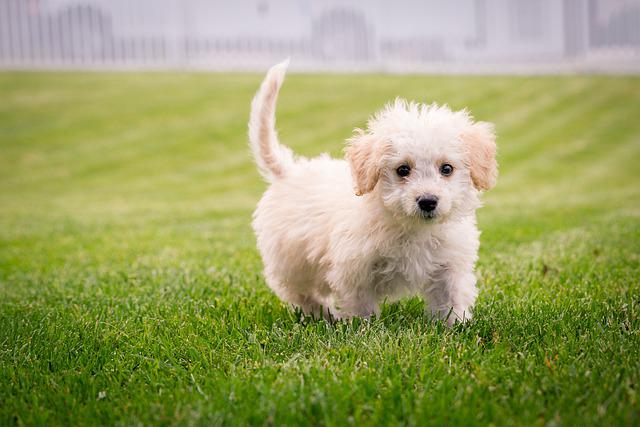
A simple puppy obedience routine can yield rapid results by focusing on consistency, positive reinforcement, and clear commands. Prioritize essential skills, avoid common pitfalls, and adapt your approach based on your puppy's unique needs for the best outcomes.
When it comes to training your puppy, a straightforward approach can lead to impressive results in a short time. The Simple Puppy Obedience Routine That Builds Fast Results emphasizes consistency and positive reinforcement, allowing you to shape your puppy’s behavior effectively. By establishing a routine that incorporates essential commands like sit, stay, and come, you set the foundation for a well-behaved companion.
However, many puppy owners often overlook the importance of timing and the right environment for training sessions. Common mistakes include inconsistent commands and failing to reward good behavior promptly, which can confuse your puppy and hinder progress. Understanding these pitfalls is crucial to ensure that you are not only setting your puppy up for success but also avoiding frustration during the training process.
Establishing a Training Routine
Creating a consistent training routine is essential for your puppy’s learning process. This means setting aside specific times each day dedicated solely to training. A well-structured routine allows your puppy to anticipate training sessions, making them more engaged and responsive. Aim for short, focused sessions lasting 5 to 15 minutes to maintain your puppy’s attention.
Additionally, consider your puppy’s energy levels. Training right after playtime can be effective, as they may be more alert and willing to learn. On the other hand, training during periods of fatigue can lead to frustration for both you and your puppy. Tailor your training schedule to optimize your puppy’s receptiveness and enthusiasm.
Positive Reinforcement Techniques
Positive reinforcement is a vital component of successful puppy training. This technique involves rewarding your puppy for desired behaviors, which encourages them to repeat those actions. Rewards can include treats, praise, or playtime, and should be given immediately after the desired behavior occurs to reinforce the connection.
However, be mindful of how you administer rewards. Over-reliance on treats may lead to your puppy expecting food for every good deed, so mix up your rewards. Incorporating verbal praise or affection can help maintain motivation without creating dependency on treats. The key is to ensure that the rewards are meaningful to your puppy, making them eager to learn.
Common Mistakes to Avoid
Many new puppy owners unknowingly make mistakes that can hinder training progress. One of the most common errors is inconsistency in commands. Using different words or tones can confuse your puppy, leading to frustration and slow learning. Stick to a set of commands and ensure that everyone in the household uses the same terms.
Another pitfall is failing to recognize signs of stress or fatigue in your puppy. Pushing them to train when they are not in the right mindset can lead to negative associations with training. Always be attentive to your puppy’s body language and be ready to adjust your training approach. If your puppy appears disinterested, it may be time for a break or a change in activity.
Adapting Training to Your Puppy
Every puppy is unique, and training should reflect their individual personality and needs. Some puppies may respond better to high-energy training sessions, while others may prefer a calmer approach. Pay attention to your puppy’s reactions and adjust your methods accordingly. For example, if your puppy becomes overwhelmed, consider switching to quieter, less stimulating environments for training.
Additionally, take into account the breed and temperament of your puppy. Some breeds are naturally more eager to please, while others may require more patience and persistence. Understanding these traits can help you set realistic expectations and tailor your training routine to foster a positive learning experience.
Further Reading
Authoritative Sources
- American Kennel Club
akc.orgTrusted dog training, behavior, breed, and puppy care guidance.
- American Veterinary Medical Association
avma.orgVeterinary guidance and animal health resources from a major professional association.
- ASPCA Pet Care
aspca.orgAnimal care, behavior, and safety resources for pet owners.
- Merck Veterinary Manual
merckvetmanual.comDetailed veterinary reference material on animal conditions, care, and treatment topics.
- AAHA for Pet Owners
aaha.orgPet owner guidance from the American Animal Hospital Association.
Frequently Asked Questions
How long should training sessions last?
Training sessions should ideally last between 5 to 15 minutes to keep your puppy engaged and focused.
What commands should I prioritize for my puppy?
Focus on basic commands like sit, stay, come, and down as they form the foundation for more advanced training.
How can I tell if my puppy is stressed during training?
Signs of stress can include yawning, licking lips, or turning away. If you notice these signs, it’s best to pause training.
Is it okay to train my puppy in different locations?
Yes, training in various locations can help your puppy generalize commands, but ensure the environment is not too distracting.
What should I do if my puppy isn’t responding to commands?
If your puppy is not responding, reassess your training methods and consider reducing distractions or adjusting your rewards.
Conclusion
In summary, The Simple Puppy Obedience Routine That Builds Fast Results combines consistency, positive reinforcement, and adaptability to foster effective training. By establishing a clear routine, avoiding common mistakes, and understanding your puppy’s unique needs, you can achieve remarkable results. Prioritize essential skills and remain patient and observant as you guide your puppy through their training journey.