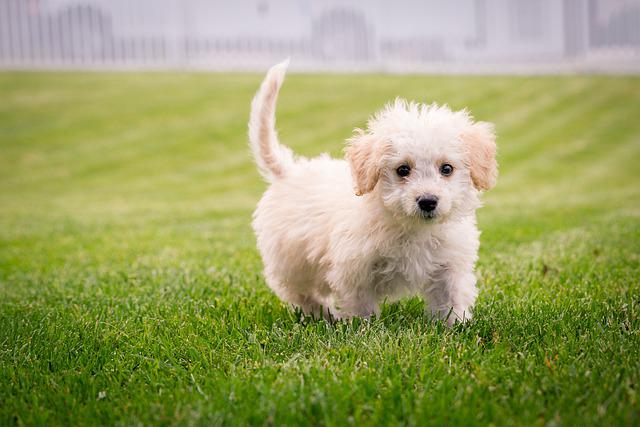
The most effective puppy training method for beginners typically involves positive reinforcement techniques, where desired behaviors are rewarded to encourage repetition. This approach builds a strong bond between the puppy and the trainer, enhances learning, and promotes good behavior.
Understanding the importance of consistency and patience in training is crucial. Puppies are naturally curious and may not immediately grasp commands or expectations. Beginners often mistakenly expect quick results and may become frustrated. It’s essential to remember that training is a gradual process, and repetition, along with positive reinforcement, plays a vital role in achieving lasting results.
Establishing a Training Routine
Establishing a consistent training routine is fundamental for effective puppy training. A regular schedule helps your puppy understand when to expect training sessions, which can enhance their focus and learning. Aim for short, frequent training sessions, ideally 5 to 10 minutes, several times a day, to keep your puppy engaged without overwhelming them.
New trainers often underestimate the importance of this routine. Puppies thrive on structure, and a well-defined schedule can lead to better behavior and quicker learning. Additionally, incorporating training into daily activities, like mealtime or walks, can reinforce commands in various contexts, making the training more effective.
Using Positive Reinforcement Effectively
Positive reinforcement is the cornerstone of effective puppy training. This method involves rewarding your puppy with treats, praise, or playtime when they perform a desired behavior. This not only encourages the behavior to be repeated but also makes training a fun and engaging experience for your puppy.
However, timing is crucial. Rewards should be given immediately after the desired behavior to create a clear connection in your puppy’s mind. Beginners often make the mistake of rewarding too late, which can confuse the puppy. Additionally, varying the types of rewards can keep your puppy motivated and interested in learning.
Common Mistakes to Avoid
Beginners often fall into several common training pitfalls that can hinder progress. One major mistake is inconsistency in commands and expectations. If a command means different things on different days, your puppy will struggle to understand what is expected of them. Always use the same words and signals for commands.
Another common error is failing to recognize small successes. Training is about gradual improvement, and celebrating small milestones can motivate both you and your puppy. Lastly, avoid using punishment as a training tool, as it can lead to fear and anxiety, which are counterproductive to learning.
Building a Strong Bond with Your Puppy
Building a strong bond with your puppy is essential for effective training. Trust and affection will make your puppy more receptive to learning and following commands. Spend quality time with your puppy outside of training sessions, engaging in play and socialization to strengthen your relationship.
A strong bond enhances communication and understanding between you and your puppy. When your puppy feels secure and loved, they are more likely to respond positively to training efforts. Incorporating fun games and activities into your routine can also reinforce your bond while making training enjoyable.
Further Reading
Authoritative Sources
- American Kennel Club
akc.orgTrusted dog training, behavior, breed, and puppy care guidance.
- American Veterinary Medical Association
avma.orgVeterinary guidance and animal health resources from a major professional association.
- ASPCA Pet Care
aspca.orgAnimal care, behavior, and safety resources for pet owners.
- Merck Veterinary Manual
merckvetmanual.comDetailed veterinary reference material on animal conditions, care, and treatment topics.
- AAHA for Pet Owners
aaha.orgPet owner guidance from the American Animal Hospital Association.
Frequently Asked Questions
What is the best age to start training a puppy?
The best age to start training a puppy is around 8 weeks old, as they are most receptive to learning during this developmental stage.
How long should training sessions be?
Training sessions should last between 5 to 10 minutes, several times a day, to keep your puppy engaged without overwhelming them.
Can I use treats for training?
Yes, using treats is an effective method of positive reinforcement, as they motivate your puppy to learn and repeat desired behaviors.
What should I do if my puppy doesn’t respond to commands?
If your puppy doesn’t respond, ensure you’re consistent with commands, check that you’re using appropriate rewards, and consider reducing distractions during training.
Is socialization important in puppy training?
Yes, socialization is crucial as it helps your puppy become well-adjusted and comfortable in various environments, which can enhance their training.
Conclusion
In conclusion, the most effective puppy training method for beginners revolves around establishing a consistent routine, utilizing positive reinforcement techniques, and avoiding common pitfalls. Building a strong bond with your puppy enhances their receptiveness to training and creates a more enjoyable experience for both of you. Prioritize patience and consistency, and your efforts will lead to a well-trained and happy puppy.