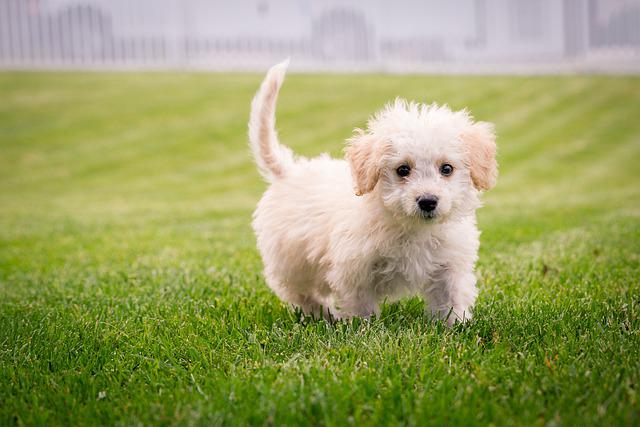
Puppy training is a fundamental process that sets the foundation for a well-behaved adult dog. It involves teaching your puppy essential commands, socialization skills, and good behavior patterns through consistent and positive reinforcement techniques. Training should begin as early as possible, ideally when the puppy is around eight weeks old, to maximize their learning potential.
Understanding the importance of early training cannot be overstated. Puppies are highly impressionable during their formative months, and the experiences they have can significantly influence their future behavior. Therefore, focusing on socialization, basic commands, and addressing common behavioral issues right from the start is essential for long-term success.
Understanding Puppy Development Stages
Puppies go through various developmental stages that significantly impact their training. Understanding these stages helps you tailor your training approach effectively. The key stages include the neonatal period (0-2 weeks), transitional phase (2-4 weeks), and socialization period (3-14 weeks). During the socialization period, puppies are most receptive to learning about their environment and forming relationships with people and other animals.
Recognizing these stages allows trainers to introduce new experiences at the right time, making it easier for puppies to adapt and learn. For instance, during the socialization period, exposing your puppy to different environments, sounds, and people can help them grow into a confident adult dog. Skipping this phase can lead to behavioral issues later in life.
Essential Commands for Puppy Training
Teaching your puppy basic commands is crucial for effective communication and safety. Commands like “sit,” “stay,” “come,” and “down” form the foundation of obedience training. These commands not only help manage your puppy’s behavior but also create a bond between you and your pet.
To teach these commands effectively, use positive reinforcement techniques, such as treats and praise. Start with short training sessions to maintain your puppy’s attention and gradually increase the complexity of tasks as they learn. Consistency in your commands and expectations is vital to avoid confusion.
Common Mistakes in Puppy Training
Many new puppy owners make common mistakes that can hinder training progress. One significant error is inconsistency; using different commands or allowing unwanted behaviors can confuse your puppy. Additionally, failing to socialize your puppy properly can lead to fear and aggression.
Another mistake is using negative reinforcement or punishment, which can damage the trust between you and your puppy. Instead, focus on encouraging positive behavior through rewards and patience. Understanding these pitfalls allows you to create a more effective training environment.
Socialization Techniques for Puppies
Socialization is a crucial aspect of puppy training that involves exposing your puppy to various experiences, people, and other animals. This process helps your puppy learn how to behave appropriately in different situations. Introduce your puppy to new environments gradually, ensuring each experience is positive.
Arrange playdates with other vaccinated dogs, visit pet-friendly establishments, and expose your puppy to different sounds and sights. The goal is to create a well-adjusted dog that is comfortable in various settings. Be mindful of your puppy’s reactions and provide reassurance during new experiences.
Maintaining Consistency and Patience
Consistency and patience are essential in puppy training. Establishing a routine helps your puppy understand what to expect and reinforces learning. Regular training sessions, consistent commands, and clear expectations create an environment conducive to learning.
Remember that each puppy learns at its own pace. Patience is vital; some commands may take longer for your puppy to master than others. Celebrate small successes and remain calm during setbacks, ensuring your puppy feels secure and encouraged throughout their training journey.
For more in-depth information on puppy training techniques and strategies, consider the following resources:
Frequently Asked Questions
What is the best age to start training a puppy?
The best age to start training a puppy is around eight weeks old when they are most receptive to learning.
How long should training sessions be for puppies?
Training sessions for puppies should last about 5 to 10 minutes to keep them engaged and focused.
What is positive reinforcement in puppy training?
Positive reinforcement involves rewarding desired behaviors with treats, praise, or play to encourage repetition.
How can I socialize my puppy effectively?
Socialize your puppy by exposing them to new experiences, people, and other animals in a controlled and positive manner.
What should I do if my puppy doesn’t respond to commands?
If your puppy doesn’t respond to commands, review your training techniques, ensure consistency, and be patient as they learn.
Conclusion
Training your puppy is a rewarding experience that lays the groundwork for a well-behaved dog. Focus on early socialization, consistent commands, and positive reinforcement to ensure successful outcomes. Avoid common mistakes like inconsistency and punishment, as they can hinder progress. By prioritizing patience and understanding your puppy’s developmental stages, you can foster a strong bond and guide your pet towards becoming a well-adjusted adult dog.