Instant Insight: When your puppy keeps biting during training, redirect their attention to a suitable chew toy to teach them what is acceptable to bite.
How Do I Handle A Puppy That Keeps Biting During Training?
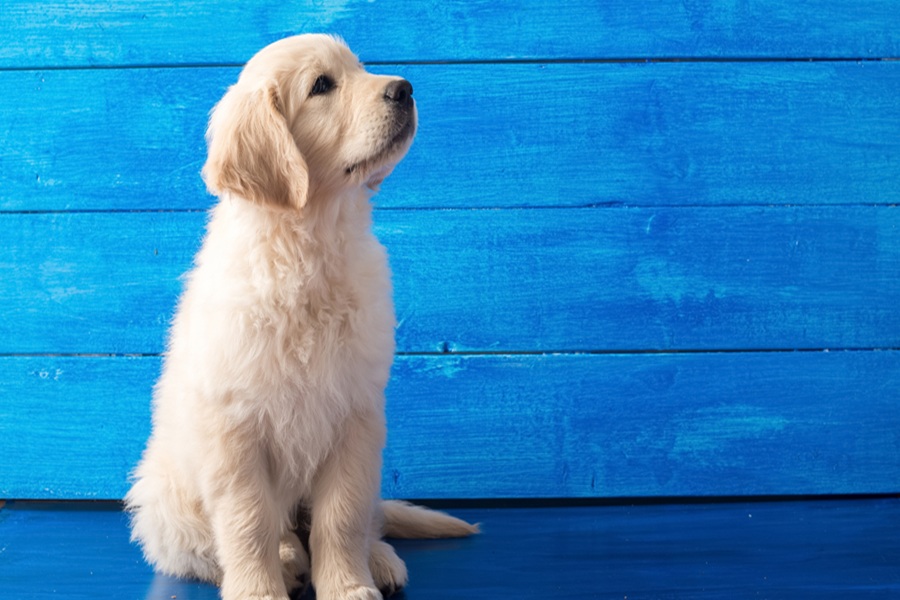
Instant Insight: When your puppy keeps biting during training, redirect their attention to a suitable chew toy to teach them what is acceptable to bite.
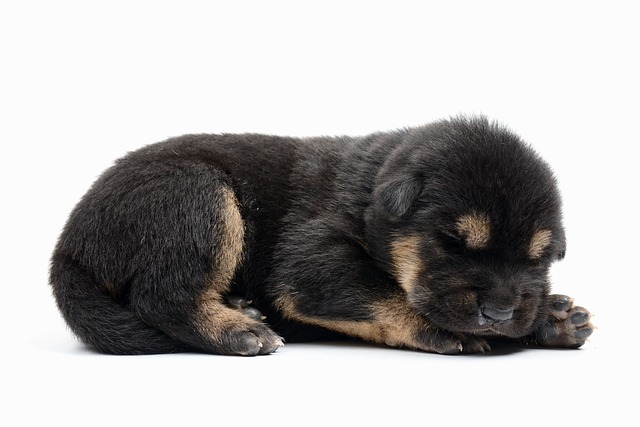
Instant Insight: If your puppy is afraid of new people or environments, introduce them gradually and calmly, allowing the puppy to observe from a distance before approaching. Use positive reinforcement, like treats and praise, to create a sense of safety and trust during interactions. Avoid forcing the puppy into unfamiliar situations; instead, let them explore […]
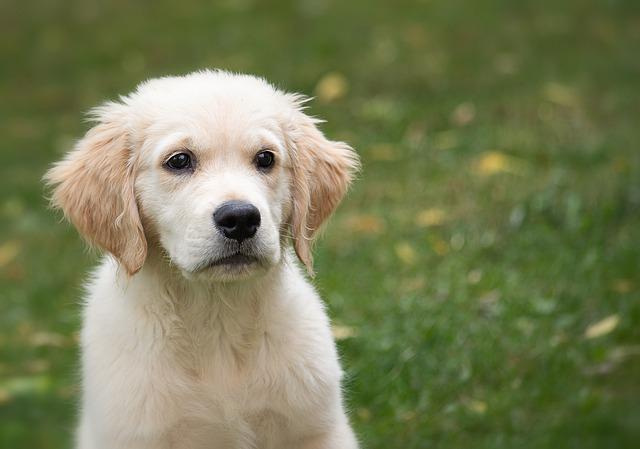
Key Takeaway: Positive reinforcement is the most effective technique for stubborn puppies, rewarding good behavior with treats, praise, or play. Consistency and patience are key; set clear boundaries and stick to a routine to help your puppy understand expectations. Short, frequent training sessions prevent frustration and keep your puppy engaged. Avoid punishment, as it can […]

Quick Summary: Puppies often bite during training because they are exploring their environment and teething, which causes discomfort. They may also bite out of excitement or to get your attention. Consistent, gentle redirection and providing appropriate chew toys can help reduce biting. Remember to reward good behavior and avoid rough play to teach your puppy […]
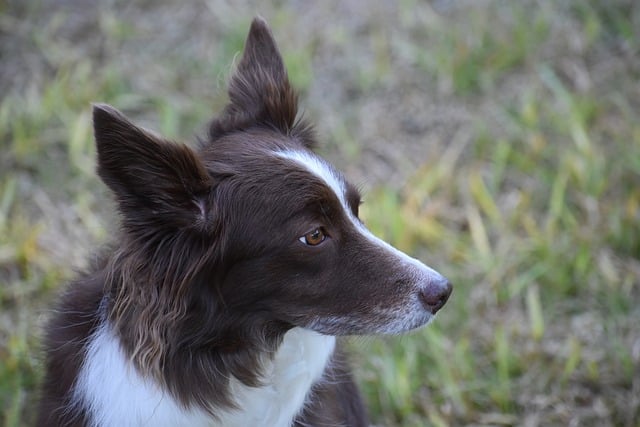
Key Takeaway: Consistent, positive reinforcement is key to effective puppy training, rewarding good behavior with treats, praise, or play. Establish clear boundaries and routines early to help your puppy understand expectations and feel secure. Socialize your puppy gradually with other dogs and people to build confidence and reduce future behavioral issues. Patience and persistence are […]
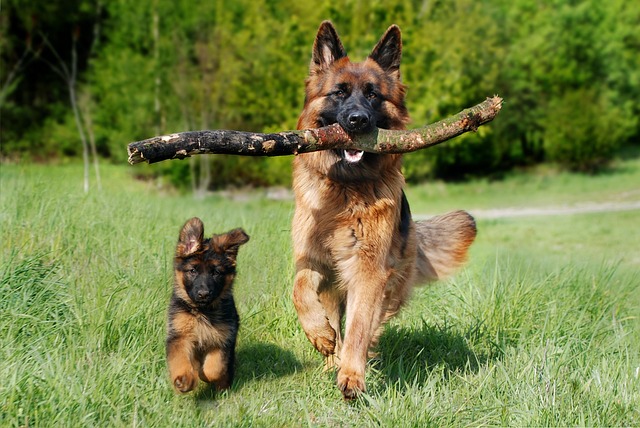
Key Takeaway: Consistent crate training and regular bathroom breaks help prevent indoor accidents by establishing a routine. Supervise your puppy closely and use positive reinforcement when they go outside to reinforce good habits. Keep a consistent feeding schedule to predict when they need to go, and promptly clean accidents with enzymatic cleaners to eliminate odors […]

Quick Summary: You can tell your puppy needs to go outside to potty if they start sniffing the floor, circling, whining, or heading toward the door. Restlessness, squirming, or suddenly stopping play can also indicate they need to go. Puppies often give subtle cues before they have an accident, so paying attention helps prevent messes. […]
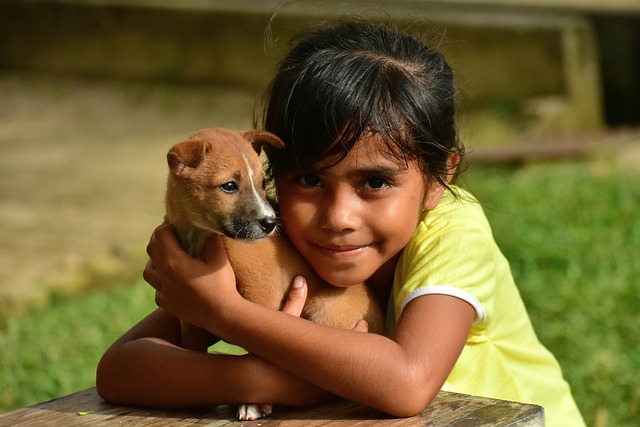
Quick Summary: Yes, crate training can significantly help with house training a puppy by teaching them to hold their bladder and bowels. Puppies naturally avoid soiling their sleeping area, which encourages them to wait until they are let outside. Consistent crate use also helps establish a routine and reduces accidents inside the house. However, it’s […]
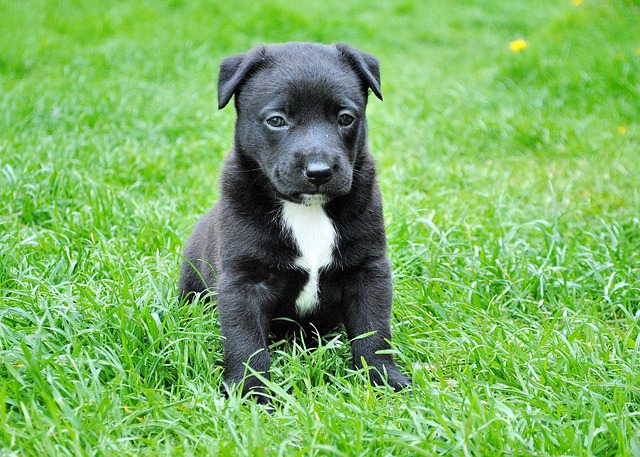
Quick Take: You can get help with house training a puppy from your veterinarian, who can provide advice tailored to your puppy’s health and behavior. Local animal shelters and rescue organizations often offer training classes or resources for new puppy owners. Additionally, professional dog trainers and obedience schools specialize in house training techniques. Online resources […]
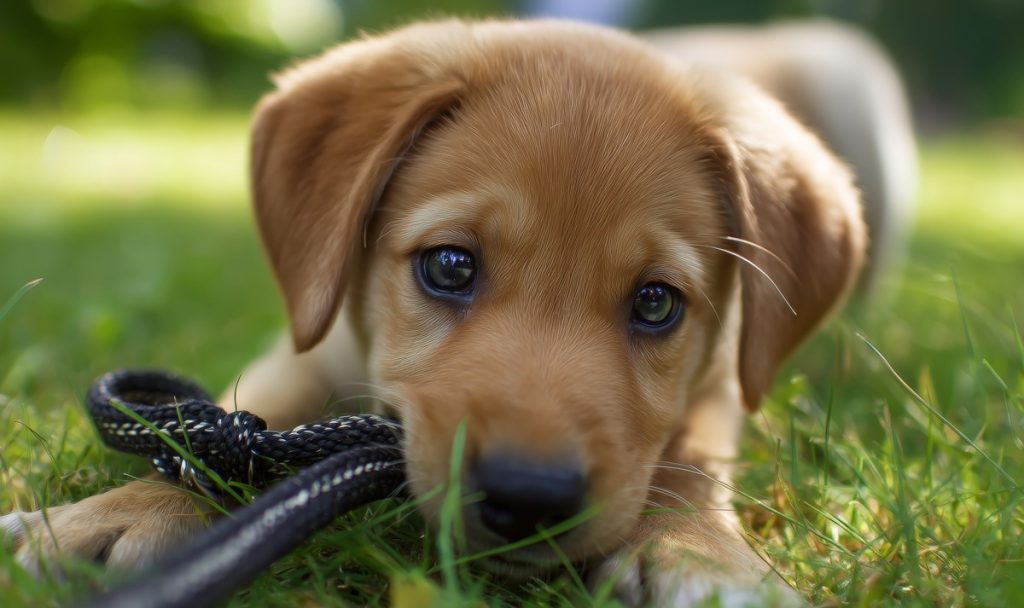
Quick Summary: To train a puppy to pee outside, establish a consistent schedule by taking them out at regular intervals, such as after meals, naps, and playtime. Use a specific command like "go potty" to create a routine and reward them immediately with praise or treats when they pee outside. Supervise your puppy closely indoors […]