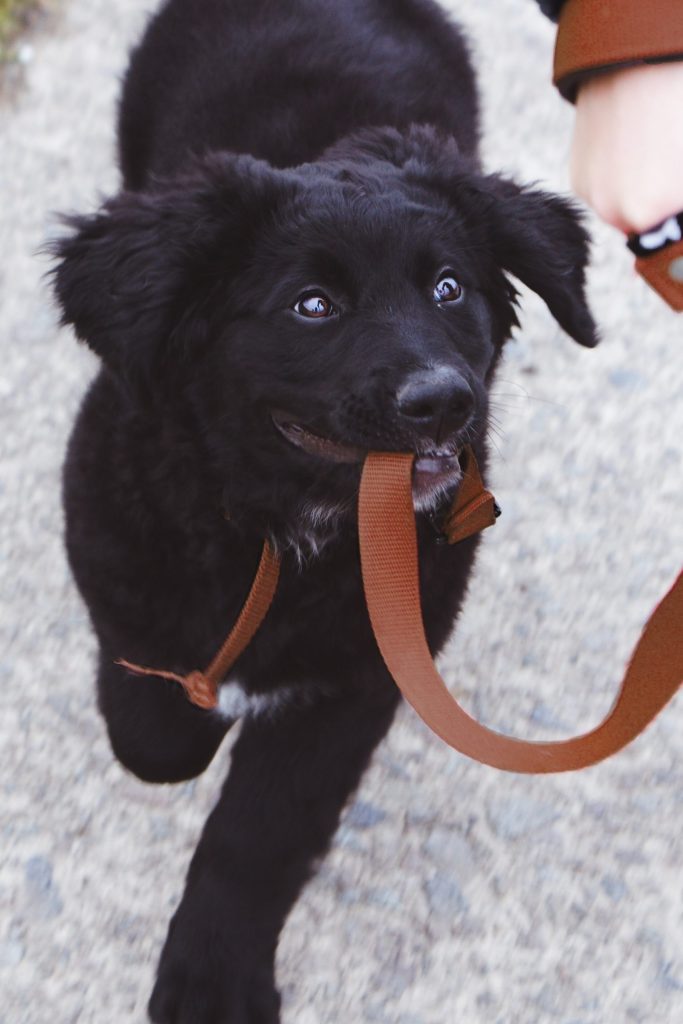
Puppy Without Accident: Why This Guide Matters
Welcoming a puppy into your home is an exciting yet challenging experience. One of the most critical aspects of puppy ownership is ensuring that your furry friend learns to live harmoniously within your household—specifically, mastering house training without accidents. This guide is designed for new puppy owners who are eager to establish a strong foundation for their pet’s behavior and well-being. By understanding effective training strategies, you can reduce stress and create a more enjoyable living environment for both you and your puppy.
Throughout this guide, you will discover actionable insights, proven techniques, and a roadmap to navigate the complexities of house training. From establishing a training routine to understanding your puppy’s behavior, this resource will equip you with the knowledge needed to succeed. Let’s dive into the essential components of training your puppy without accidents.
Understanding Puppy Behavior
To effectively train your puppy, it’s essential to understand their behavior. Puppies are naturally inclined to explore their environment, and this curiosity can lead to accidents if not managed properly. Recognizing the signs that your puppy needs to go outside—such as sniffing, circling, or whining—will empower you to act promptly and prevent accidents indoors.
Additionally, consider your puppy’s age and breed, as these factors can influence their ability to hold their bladder. Younger puppies typically have less control and may need to go out more frequently. Understanding these nuances will help you tailor your training approach to your puppy’s specific needs.
Creating a House Training Plan
A well-structured house training plan is vital for success. Begin by establishing a consistent schedule for feeding, potty breaks, and playtime. Puppies thrive on routine, and predictability can significantly reduce the likelihood of accidents. Aim to take your puppy outside first thing in the morning, after meals, and before bedtime.
Incorporating a designated potty area outside can also reinforce good habits. Always take your puppy to this spot, and use a consistent command, such as “go potty,” to create a verbal cue. This repetition will help your puppy associate the command with the action, making it easier for them to understand what is expected.
Effective Techniques for House Training
Utilizing positive reinforcement is one of the most effective techniques for house training. When your puppy successfully goes outside, immediately reward them with praise or a treat. This positive association will encourage them to repeat the behavior. However, it’s crucial to reward them promptly; timing is key in reinforcing the desired action.
Additionally, consider using crate training as a part of your house training strategy. A crate can provide a safe space for your puppy and help them learn to hold their bladder. Make sure the crate is appropriately sized—large enough for your puppy to stand, turn around, and lie down comfortably, but not so large that they can use one corner as a bathroom.
Common Challenges and Solutions
Even with the best intentions, challenges can arise during house training. One common issue is regression, where a previously house-trained puppy starts having accidents again. This can occur due to stress, changes in routine, or health issues. If your puppy regresses, revisit your training plan and ensure consistency. It may also be helpful to consult a veterinarian to rule out any underlying health problems.
Another challenge is the temptation to punish your puppy for accidents. Instead of scolding, focus on redirecting and reinforcing positive behavior. Punishment can create fear and confusion, ultimately hindering your training efforts. Instead, emphasize patience and understanding as you guide your puppy toward success.
Implementation Roadmap
To effectively implement your house training plan, follow this roadmap:
- Establish a Routine: Set a consistent schedule for feeding and potty breaks.
- Designate a Potty Area: Choose an outdoor spot for your puppy to relieve themselves.
- Utilize Positive Reinforcement: Reward your puppy immediately after they go outside.
- Monitor Behavior: Keep an eye on your puppy for signs they need to go out.
- Be Patient: Understand that accidents may happen and adjust your approach as needed.
This roadmap serves as a structured approach to ensure you cover all essential aspects of house training while maintaining flexibility to adapt to your puppy’s unique needs.
Common Mistakes to Avoid
Many new puppy owners fall into common pitfalls that can hinder house training efforts. One significant mistake is inconsistent timing for potty breaks. Skipping scheduled breaks can lead to accidents and confusion for your puppy. Always stick to the routine you’ve established.
Another frequent error is neglecting to supervise your puppy closely. Accidents often occur when puppies are left unsupervised in the house. Use baby gates or leashes to keep your puppy within your sight, especially during the early stages of training. This vigilance will help you catch any signs that they need to go out and reinforce good habits.
Frequently Asked Questions
How long does it typically take to house train a puppy?
House training can take anywhere from a few weeks to several months, depending on the puppy’s age, breed, and your consistency. Generally, with dedicated effort, you can expect to see significant progress within 4 to 8 weeks.
What should I do if my puppy has an accident indoors?
Remain calm and avoid punishment. Clean the area thoroughly to eliminate odors that may attract your puppy back to the spot. Instead, focus on reinforcing positive behavior when they go outside.
Can I use puppy pads during training?
Puppy pads can be useful for specific situations, such as apartment living or when you are unable to take your puppy outside. However, transitioning from pads to outdoor potty use may require additional training, as it can create confusion about where it is acceptable to relieve themselves.
What if my puppy won’t go outside?
If your puppy is hesitant to go outside, ensure the environment is comfortable and inviting. Use treats or toys to encourage them, and consider taking them out at different times of the day to find a routine that works.
How can I tell if my puppy is ready for longer periods without accidents?
As your puppy matures, you will notice they can hold their bladder for longer periods. If your puppy consistently goes outside without accidents for several weeks, they may be ready for longer durations without supervision. Gradually increase the time between potty breaks as they demonstrate reliability.
Conclusion
Training your puppy without accidents is a vital part of responsible pet ownership that fosters a harmonious household. By understanding puppy behavior, creating a structured training plan, and employing effective techniques, you can set your puppy up for success. Remember, consistency and patience are key. As you progress, utilize the resources linked throughout this guide to deepen your understanding and refine your approach. Your dedication will not only lead to a well-trained puppy but also strengthen the bond between you and your furry companion.
Related Guides in This Topic Cluster
Core Support Guides
- Master the Art of House Training: A Comprehensive Guide on How to House Train a Puppy Without Accidents
Table of Contents Understanding Puppy Behavior Creating a House Training Plan Effective Techniques for House Training Common Challenges and...