Introduction to Puppy Training
Welcoming a new puppy into your home can be an exciting time, but it also comes with its fair share of challenges. One of the most important things you need to do as a pet owner is train your pup properly. Not only will this help them learn how to behave appropriately in different situations, but it will also strengthen your bond and make for a happier, healthier relationship overall. In this article, we’ll explore some of the best techniques and tricks for training your puppy effectively.
The Best Techniques for Easy and Effective Training
One of the first things you should know about puppy training is that consistency is key. You need to establish clear rules and boundaries from day one, and stick to them no matter what. This means being firm yet gentle when correcting bad behavior, and always rewarding good behavior with praise or treats. Some other effective techniques include positive reinforcement (such as clicker training), using visual cues like hand signals or body language, and setting realistic goals based on your dog’s age and breed. It’s also important to remember that every dog is unique, so don’t be afraid to try out different methods until you find something that works well for both you and your furry friend.
Common Mistakes to Avoid During Puppy Training
While there are many effective techniques for training your puppy, there are also several common mistakes that people often make during the process. For example, one mistake is being too harsh or aggressive when correcting bad behavior. This can lead to fear-based responses and may actually worsen the problem over time. Another mistake is not providing enough exercise or mental stimulation for your pup, which can result in boredom and destructive behaviors. Finally, failing to socialize your puppy early on can lead to anxiety and fear around unfamiliar people or animals later in life. By avoiding these common pitfalls and staying consistent in your approach, you can set yourself up for success in puppy training.

Tips for Successful Puppy Training
In addition to the techniques mentioned above, here are a few more tips for successful puppy training:
1. Start young: The earlier you start training your puppy, the easier it will be to establish good habits and prevent bad ones from taking root.
2. Be patient: Remember that training a puppy takes time and effort. Don’t get discouraged if progress seems slow at times; just keep practicing and celebrate small victories along the way.
3. Use treats strategically: While treats can be a powerful tool for shaping behavior, they shouldn’t be used indiscriminately. Instead, reserve treats for specific moments when your pup demonstrates desirable behavior, such as sitting calmly on command.
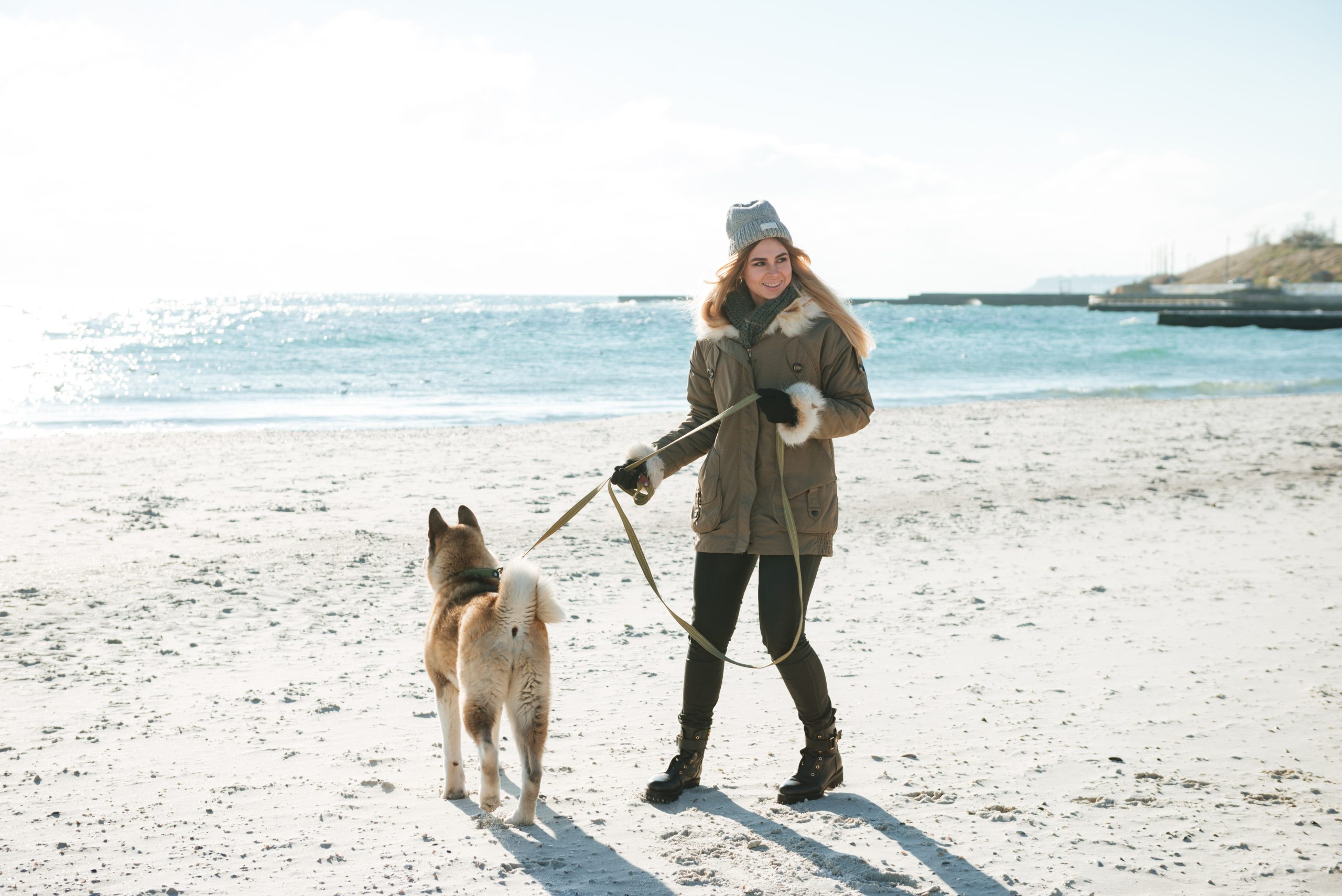
4. Stay engaged: Too often, owners assume that once their puppy has mastered basic commands, they can relax and stop paying attention. But continued engagement and practice are crucial for maintaining good behavior over time.
By following these tips and incorporating effective training techniques, you can enjoy a happy, well-behaved companion who brings joy to your life for years to come.