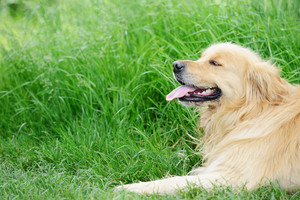
Puppy training can be very confusing and frustrating. You want your pet to be obedient, but you don’t want it to become destructive. There are many different methods of training your dog, and each has its own advantages and disadvantages. In this article we will discuss how to train your puppy and what to look for in a good trainer.

Before you start any training, you should make sure that you have a basic understanding of how dogs learn. Dogs are born with natural instincts, and they have been trained by their parents to be obedient. They do not learn to obey commands from other people. The only way a dog learns to obey commands is through positive reinforcement. This means that when a dog does something right, you reward it with a treat or a pat on the head. When a dog does something wrong, you correct it immediately.
There are many different methods of training a dog, but the most popular method is clicker training. Clicker training involves using a clicker to reinforce good behavior and to punish bad behavior. The clicker is a small plastic device that makes a sound when pressed. You can buy them at most pet stores. A clicker can also be used as a toy to play with your dog. You can teach your dog to respond to your command by clicking the clicker whenever he does something right.
Clicker training can be difficult to learn if you do not know how to use the clicker. There are several different methods of training your dog with the clicker. One method is called “chunking”. This is where you use one command and then another command. For example, you might say “sit” and then click. Then you say “stay” and click. This teaches your dog to understand the two commands. Another method is called “sequence training”. This is where you teach your dog a series of commands. For example, you could teach your dog to sit, stay, and lie down. These methods are very effective, but they take time to learn. It may take several months before your dog understands all the commands.
Another method of training your dog is to use a clicker every time your dog does something right. This is called “reinforcement”. This is the easiest method to learn because it only requires one command. Reinforcement is usually done in conjunction with other methods, such as chunking or sequence training.
It is important to remember that when you are training your dog, you should never yell or scream at him. You should always be calm and patient when teaching your dog new commands. You should never hit your dog, even if he misbehaves. Punishment is never an option, so if you feel like hitting your dog, you should not do it.