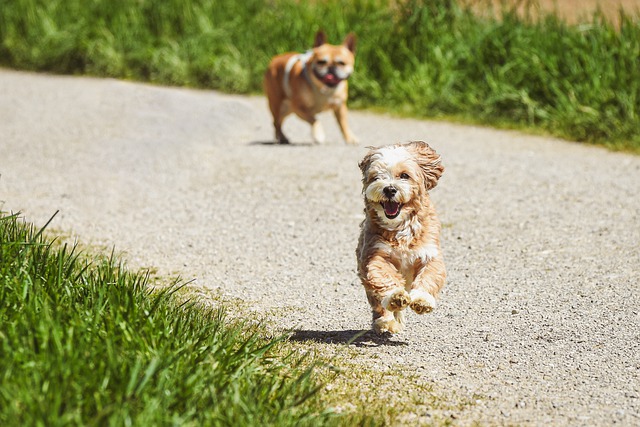
When a puppy refuses to come when called outside, it can be frustrating for owners. This behavior often stems from distractions in the environment, insufficient training, or even fear of the surroundings. To enhance your puppy’s recall, implement a strategy that includes positive reinforcement, starting in a low-distraction area, and gradually increasing the complexity of the environment. Consistency and patience are essential in building a puppy’s reliable response to commands.
Understanding why your puppy is hesitant to come when called is crucial. Many puppies are naturally curious and easily distracted by sights, sounds, or smells outdoors. Additionally, if they have not been adequately trained or are unsure of what is expected of them, they may ignore your call. It’s vital to recognize these behavioral cues and adjust your training approach accordingly.
Common Reasons for Recall Issues
Puppies may refuse to come when called for several reasons, including environmental distractions, lack of training, or fear of being reprimanded. Understanding these factors is essential for effective training. For instance, if your puppy is more interested in chasing a squirrel or exploring a new smell, they may disregard your call completely.
Common mistakes owners make include using negative reinforcement when a puppy doesn’t respond or calling them only when it’s time to go inside, which can create a negative association with the command. Instead, ensure that coming to you is always a positive experience.
Training Techniques for Improved Recall
To train your puppy to come when called, start with basic commands in a controlled environment. Use a long leash to maintain control while allowing some freedom. This method helps them learn that coming back to you is rewarding without the risk of running away.
One effective technique is to use a high-value treat or toy as a reward. Begin by calling your puppy in a quiet area and rewarding them immediately when they respond. Gradually increase the level of distractions as they become more reliable in their recall.
Distraction Management Strategies
Managing distractions is critical when training recall. Start in a familiar, quiet area and gradually introduce more challenging environments. Always monitor your puppy’s focus and be prepared to redirect them if they become distracted.
One useful strategy is to practice recall during playtime. Call your puppy back to you intermittently during fetch or play sessions, rewarding them each time they return. This reinforces the idea that coming when called is part of the fun.
Building Positive Associations
Creating positive associations with your recall command is essential. Use a specific word or phrase consistently when calling your puppy, and pair it with treats, praise, or playtime. This helps them associate the command with something enjoyable.
Additionally, avoid calling your puppy for negative experiences, such as baths or vet visits. If they learn that responding to your call leads to undesirable outcomes, they may hesitate to come when called in the future.
Frequently Asked Questions
Why won’t my puppy come when called?
Your puppy may be distracted, fearful, or unsure of what you want. Training and building positive associations with the recall command can help.
How can I improve my puppy’s recall?
Use positive reinforcement, practice in low-distraction environments, and gradually increase the challenge as your puppy improves.
Is it normal for puppies to ignore commands?
Yes, it is common for puppies to ignore commands, especially when they are distracted or have not been properly trained. Consistent training can help.
What commands should I teach my puppy first?
Start with basic commands like sit, stay, and come. These foundational commands will help establish good communication and control.
How long does it take to train a puppy to come when called?
The time it takes varies by puppy, but with consistent practice, many puppies can learn to come when called within a few weeks.
Conclusion
Training your puppy to come when called outside is an essential skill that enhances safety and strengthens your bond. Focus on creating positive associations, managing distractions, and using consistent methods to ensure success. Remember, patience is key, and with dedication, your puppy will learn to respond reliably to your commands. Start in a controlled environment and gradually increase the challenge to help them master this important behavior.