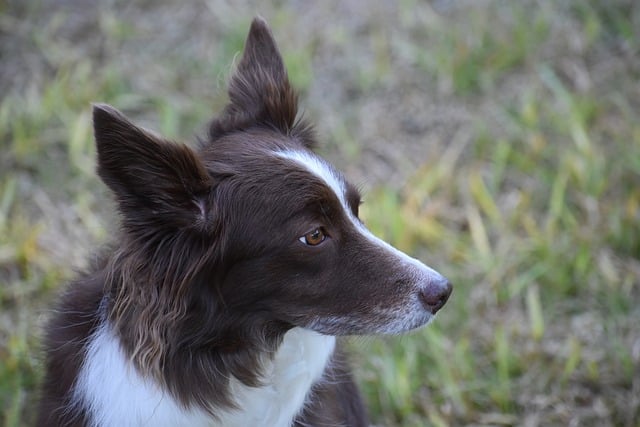
When a puppy refuses food during training sessions, it often indicates underlying issues such as stress, distraction, or lack of motivation. To address this, it’s crucial to create a calm training environment free from distractions, which can significantly influence your puppy’s willingness to accept treats. Additionally, consider using higher-value treats that your puppy finds irresistible, as this can enhance their motivation to engage during training.
Another common reason for food refusal is the timing and context of the training session. Puppies may be too excited or anxious to focus on food when they are in a stimulating environment. Ensure that training occurs in a familiar and quiet space where your puppy feels secure. If your puppy still refuses food, it might be worth evaluating their overall health and appetite, as a loss of interest in food can sometimes signal health issues.
Understanding the Causes of Food Refusal
Food refusal in puppies can stem from various factors, including stress, anxiety, or even health issues. It’s essential to observe your puppy’s behavior closely. For instance, if they seem anxious or distracted, it may affect their willingness to eat during training. Identifying these triggers is the first step in addressing the problem effectively.
Moreover, puppies are highly sensitive to their surroundings. Changes in environment or routine can lead to reluctance in eating. If your puppy is in a new place or if there are loud noises nearby, they might be too overwhelmed to focus on food. Pay attention to these cues to better understand your puppy’s needs.
Creating a Positive Training Environment
Establishing a positive and calm training environment is crucial for encouraging your puppy to eat during sessions. Ensure that the area is quiet and familiar, which can help reduce anxiety and distractions. A consistent routine can also provide comfort to your puppy, making them more relaxed and receptive to training.
Additionally, consider the duration and timing of your training sessions. Short, frequent sessions can be more effective than long, drawn-out ones, especially for young puppies. This approach not only keeps their attention but also allows for more opportunities to reward them with treats, reinforcing positive behavior.
Choosing the Right Treats
Selecting the appropriate treats is vital for motivating your puppy. High-value treats, such as small pieces of cooked chicken or cheese, can be more enticing than regular kibble. Experiment with different options to find what your puppy enjoys most, as this can significantly impact their eagerness to eat during training.
Moreover, consider the size of the treats. Smaller treats are often preferable as they allow for more frequent rewards without overwhelming your puppy. This method helps maintain their interest and keeps them engaged throughout the training session.
When to Seek Professional Help
If your puppy consistently refuses food during training sessions despite trying various strategies, it may be time to consult a veterinarian. Persistent food refusal can indicate underlying health issues that require professional attention. A vet can help assess your puppy’s overall health and provide guidance on how to address any potential concerns.
Additionally, if behavioral issues seem to be at play, professional trainers or behaviorists can offer tailored strategies and support. They can assist in identifying specific triggers and developing a plan to improve your puppy’s response during training.
Frequently Asked Questions
Why is my puppy not eating during training?
Your puppy may not be eating due to stress, distractions, or even health issues. Assess their environment and consider using more enticing treats.
How can I motivate my puppy to eat during training?
Using high-value treats and creating a calm training environment can help motivate your puppy to eat during sessions.
What should I do if my puppy refuses all food?
If your puppy refuses all food consistently, consult a veterinarian to rule out any health issues.
Can anxiety affect a puppy’s eating habits?
Yes, anxiety can significantly affect a puppy’s eating habits, leading to food refusal during training or at other times.
How often should I train my puppy?
Short, frequent training sessions are ideal for puppies. Aim for multiple sessions throughout the day, each lasting about 5-10 minutes.
Conclusion
Ultimately, addressing the issue of a puppy refusing food during training sessions involves understanding the underlying causes and creating a supportive environment. Focus on reducing distractions, choosing enticing treats, and ensuring your puppy feels secure. If challenges persist, seeking professional help can provide valuable insights and strategies for improving your puppy’s eating and training experience.