Owning a dog can be one of the most rewarding experiences in life. However, it also comes with its fair share of responsibilities. One of the most important things you need to do as a pet owner is train your dog properly. In this blog post, we will discuss everything you need to know about mastering obedience training with your dog.

When to Start Obedience Training with Your Dog
The sooner you start obedience training with your dog, the better. It’s best to begin when they are still puppies because they are more receptive to learning at that age. If you wait too long, it may become more difficult to train them later on.
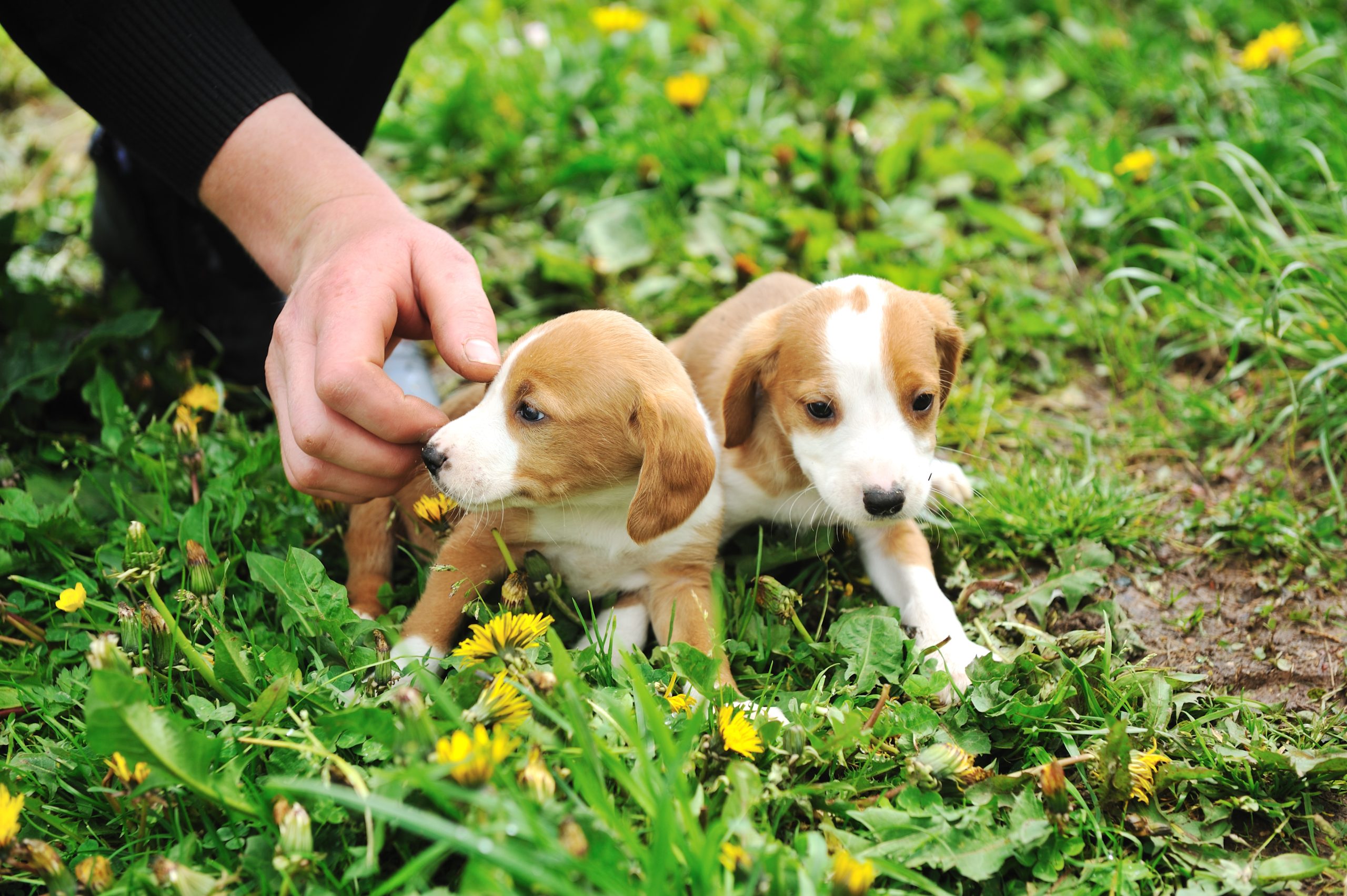
The Best Potty Training Techniques for Your Puppy
Potty training is an essential part of obedience training. There are several techniques you can use to potty train your pup. One popular method is crate training, which involves using a small crate to confine your dog during housebreaking. Another technique is positive reinforcement, where you praise your dog when they go outside to relieve themselves. Consistency is key when it comes to potty training; make sure you take your dog out regularly and always give them plenty of opportunities to go.
Finding the Right Obedience Training for Your Dog
There are many different types of obedience training methods available, including group classes, private lessons, and online courses. You should choose the option that works best for you and your dog. Group classes are great if you want socialization for your dog, while private lessons offer more personalized attention. Online courses are ideal if you prefer to learn at home.
How Many Days per Week Should You Train Your Dog
It’s recommended that you train your dog for 10-20 minutes per day, five days a week. This frequency ensures consistency without overwhelming or boring your furry friend. Remember not to push your dog too hard, especially if they seem stressed or anxious.
The Best Puppy Training Methods for Successful Results
Positive reinforcement is the most effective way to train your dog. This means giving them treats or verbal praise when they perform desired behaviors. Avoid punishing your dog physically or emotionally, as these tactics can lead to fear and aggression issues down the road. Instead, focus on building trust and respect through kindness and patience.
Indoor Puppy Training and Chew Toy Alternatives
If you live in an apartment or have limited space, indoor puppy training can be challenging. Consider investing in chew toys and puzzles to keep your dog occupied and prevent destructive behavior. You can also teach your dog basic commands like “sit” and “stay” inside by using household items like chairs and tables. With some creativity and dedication, you can successfully train your dog no matter what environment you’re in.
In conclusion, mastering obedience training with your dog takes time and effort but is well worth it. By following these tips and techniques, you can create a strong bond with your four-legged companion and enjoy years of happiness together.