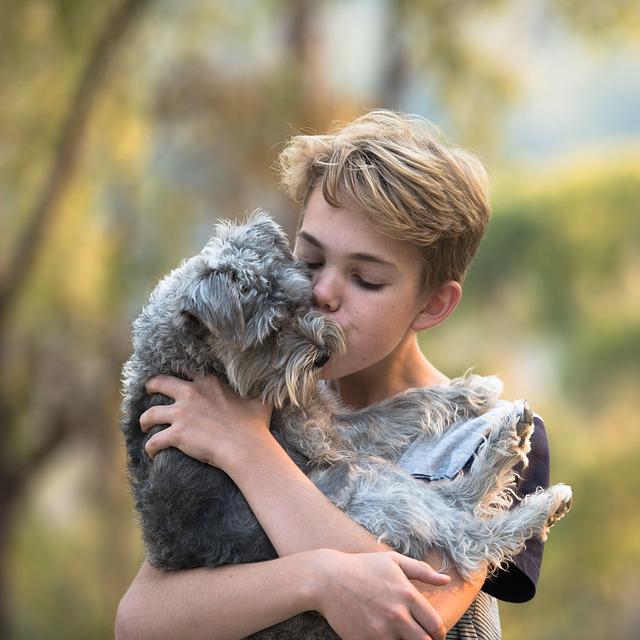
There is no denying the ability of dogs and puppies to win the hearts of many. If you are contemplating getting one or if you already have one, that is great. Having proper training with your dog is crucial if you want to have a good relationship with them. You’ll feel more confident, if you’re home with them or not. Use this article to find some tips that will help you create a great relationship with your pet.
Your training sessions must be long enough for your dog to learn the desired behavior but no so long that he becomes bored. Gradually increase the amount of time you spend training them each session. When your dog loses interest, quit for the day.
If you want to train your dog, it helps if you can think like a dog. Puppy training can get extremely frustrating at times, especially when your dog isn’t learning commands that you think are very simple. Don’t give up! Think how they think instead. Your training will improve if you view things the way they do.
Keep your dog calm when you enter the room. It is nice to calmly play with your dogs, but remember to stay relaxed. Don’t acknowledge them when you enter so that you can ensure a controlled environment for how and when playtime starts.
Your dog needs to lead an active lifestyle. When dogs have nothing to do, they can get bored. Bored dogs are harder to train. Dogs are more inclined to obey when they are regularly taken out for exercise and happily accepted as a member of your family. Be sure to go for jogs or walks with your dog regularly.
Train your dog on a regular basis to make sure he understands the rules of the house. Often, people feel that they don’t need to continue working with their dog after it has finished training. Don’t allow your dog to get out of the habit of good behavior. So, it’s very important that you review your training with your dog regularly.
Shock Collars
Avoid training devices which are high end such as shock collars. They almost never work as advertised and they are expensive to boot. Plus, using shock collars could discourage your dog in having good behavior. In short, using techniques like this could have negative effects.
Always be ready with dog treats. They have to know that doing the right thing brings a happy ending. You will ensure that your dog knows how to tell right from wrong if you do this.
Approach any unfamiliar dog with care. Walk slowly toward him and allow the dog to sniff your hand before trying to pet the dog. Doing so builds up trust with the dog. When a dog recognizes the scent, they won’t fear you and will follow commands.
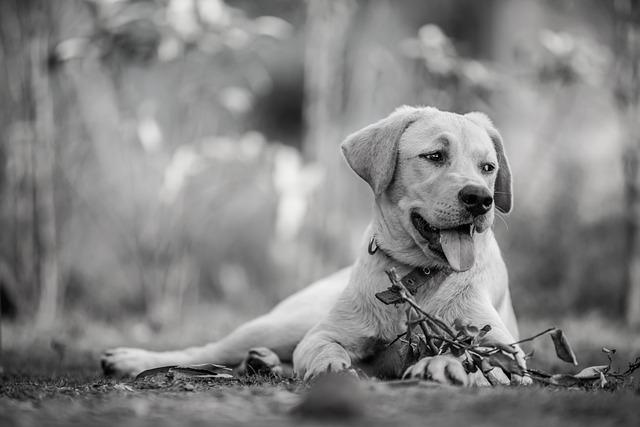
You should always call your dog in the same way. Begin commands by using his name. This will get his attention, and then you can tell him what to do. Dogs tend to respond by name right away and they know that you want their attention.
Teach your dog no response is needed for the word ‘no’. When training your dog, you need to find positive ways to enforce your training. When you say “no”, your dog does not understand how to react. All dogs are different and will respond to different training.
Remember how many treats you reward your dog with during the course of the day to avoid fattening him up. It is easy to forget about treats when you consider how much you are feeding your dog. This can happen especially when you are training him.
To train young dogs to walk with a leash, you must first have the dog wear a collar during playtime. It is important for the puppy to get used to the collar so it can be identified.
Praise your dog often when training him. Get excited, smile, and give treats to help your dog relate the good behavior to something positive. Don’t even give praise or treats when the dog doesn’t follow your commands or you will destroy what you’re trying to achieve.
Grooming is very important. Be sure to research any special grooming and hygiene requirements associated with the breed of your dog. While some dogs just need a few baths a year, other breeds have to be clipped and cleaned more frequently. Grooming your dog will ensure they remain clean and happy. In addition, this helps decrease the chance of them contracting any diseases.
As you begin a new training program for your dog, it is important to commit yourself to the process – don’t give up! You must supply constant reinforcement for your dog; if you fail to do this, the dog may forget what you taught it. In the same way that nourishing your dog with food and a safe place to live is a daily commitment, so is teaching and encouraging good behavior.
Recall is important when it comes to dog training No matter what the circumstances, your dog should come back to you when you call. Build this important behavior in parts, in order for your dog to learn to obey regardless of distractions. Recall is hard, but it can also be life-saving.
It is hoped that these tips will help you and your pet enjoy a trusting relationship. Use the information that works best for you. You love your dog, but it certainly helps to have a well-behaved pet. Training is necessary for a good dog. Train your pet well. Congratulations on becoming a pet owner.