Often dogs are adopted by owners who don’t fully contemplate owning a pet. Dogs require commitment from its owners. Dogs must be thoroughly trained in order for them to be well-behaved and not give you any problems. If you’ve adopted a dog and it needs training, you could use the tips written in this guide for that purpose.
Get your dog chew toys to get rid of teething pains. Immediately replace it with one of his designated chew toys. Try a frozen washcloth to alleviate the pain of teething for your puppy.
You should not tie up multiple dogs where they can reach each other, no matter how friendly they are. The chain from one dog could wrap around the second and the dogs could get hurt trying to get free. This is especially dangerous if one dog is larger than the other, as it could use its superior size to maneuver the other dog into a dangerous position.
Do not allow your pet to become complacent in his training. Establish a clear set of rules and stick with it at all times. Some dog owners make the mistake of thinking that once training has ended, no further action is required. But pets and humans actually share the same types of habit learning systems; if they don’t practice they will forget! This is why on-going training is important.
Always be ready with dog treats. They have to know that doing the right thing brings a happy ending. Doing so makes your dog learn what he can and can’t do.
Teaching a dog to walk correctly while on its leash is important. This will make sure you are both safe when talking walks.
When training your dog make sure you always get his attention in the same manner. Say your dog’s name, followed by the command. This will get his attention, and then you can tell him what to do. Dogs are more likely to respond immediately whenever their name is called because they are aware that you want their attention.
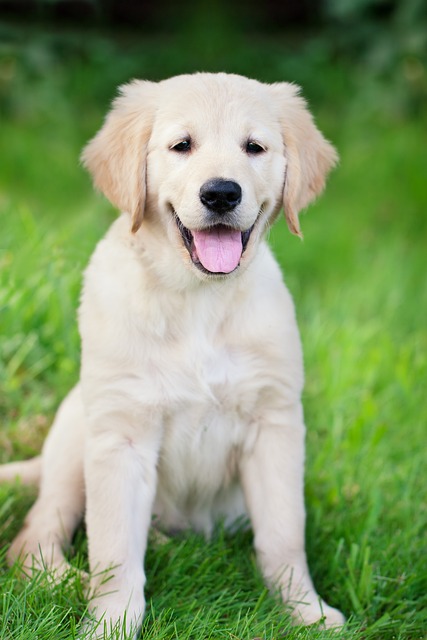
Teaching a puppy their name is one of the first steps to undertake and creates a lasting bond. Call his name every time you do something or want him to do something. Teach him that he needs to run to you when his name is called. His name should be the first word he learns. Spend a lot of time with him or her so that trust can be established. This way he or she will be more open to some advanced training.
Try to keep accidents at a minimum when toilet training your dog. Watch for signals that your dog has to go out to relieve himself. Pacing, snuffing and whining are common. If you see any of these signs, get him outdoors! Quickly leash your pet and lead him to an area where he can relieve himself. Whenever he relieves himself in an appropriate time and place, he should be praised immediately. The dog will eventually give you a sign when he needs to go out.
Watch the number of treats you give your dog during the day to avoid making your dog overweight. The calories in treats are often overlooked, but they should also be taken into consideration when planning your dog’s diet.
Although it’s sometimes difficult to be patient with your dog, it’s important that you try to be as patient as possible. Since the dog isn’t human, he can understand what you are saying. He will pick up physical gestures, and this is how he will learn from you. Remain calm and take several breaks if you’re getting frustrated often during the training session.
Be consistent when puppy training. Use certain commands with your dog, and ensure that all of your family members know and use them. Behavior should be rewarded or not depending on the affect that is being sought. If the dog gets different responses from different people, he can get confused.
When your dog exhibits undesirable behavior, do not send the wrong signals. If for some reason the animal perceives that you are amused by the performance, he may deliberately repeat the unwanted behavior to elicit a response. Doing so will really set back your training sessions. Regardless of how entertaining your dog’s misbehavior may be, you must correct it consistently.
Even if you’ve had your pet for a while and they haven’t been trained properly, you could use the information written here to train them properly. However, you should act as soon as you can before your dog harms others due to ignorance.