In order to be successful in your puppy training, it is important that you know how to properly train your dog. There are many different methods of training your puppy and each one has its own benefits and drawbacks. The most popular method of training is to use positive reinforcement.
Puppy training using positive reinforcement involves rewarding your puppy when he/she does something right. When you do this, you will find that your puppy will do what you want him to do more often than not. If you want your puppy to sit, you will reward him with a treat or pat. If you want your puppy not to jump up on you, you will give him a treat when he does not jump up on you. This is the easiest and most effective method of training your puppy.
There are some other methods of puppy training. One method is called negative reinforcement. Negative reinforcement is where you punish your puppy when he/she misbehaves. For example, if your puppy jumps up on you, you would hit him/her with a leash or spank him/her. This is not a good method of puppy training. Another method is called punishment. Punishment is where you withhold a reward from your puppy. You would then have to make him/her wait until you give him/her the reward. This is also not a good method of puppy trainer.
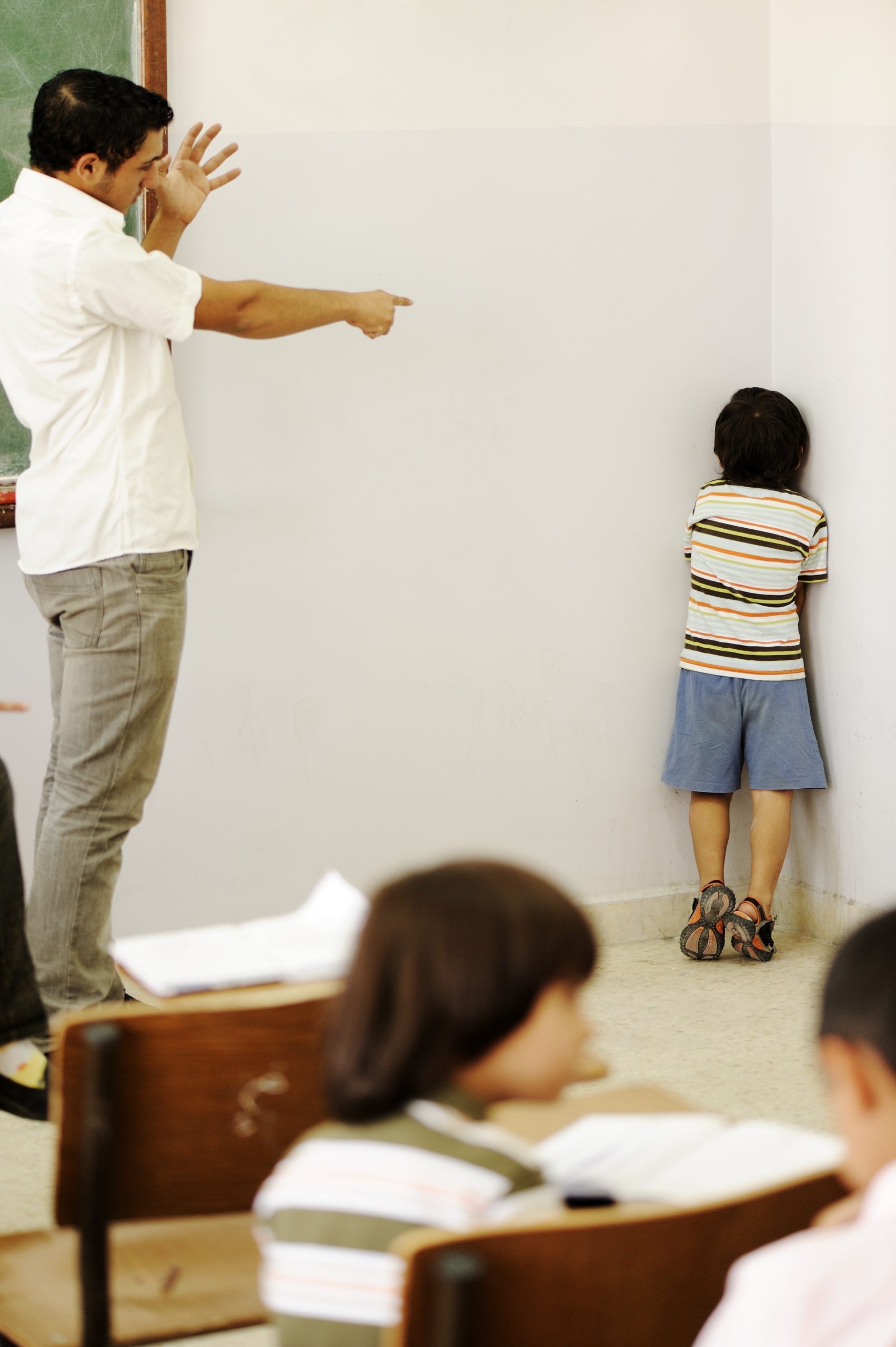
A third method of puppy training is called dominance. Dominance is where you teach your puppy to submit to your commands. In order to do this, you need to first have your puppy sit and then praise him/her when he/she does so. Then you would command your puppy to stay. If your puppy obeys your command, you will reward him/her by giving him/her a treat. This is a very effective method of puppy training.
You should note that there are other methods of puppy training that are not mentioned here. The above three methods are the most common methods used today. The other methods include:
* Shock training – This is where you shock your puppy when he/she disobeys your commands. This is not recommended because it can be very painful for your puppy.
* Ignore training – This is where you ignore your puppy’s behavior. This can be very difficult to do because your puppy will always try to get your attention.
* Fear training – This is where you scare your puppy when he/she is doing something wrong. This is not recommended because you can easily frighten your puppy.
Puppy Training Tips
* Never hit your puppy. You may think that this will teach your puppy a lesson, but it will only cause him/her to fear you.
* Always praise your puppy when he/she obeys your commands. This will help to build your relationship with your puppy.
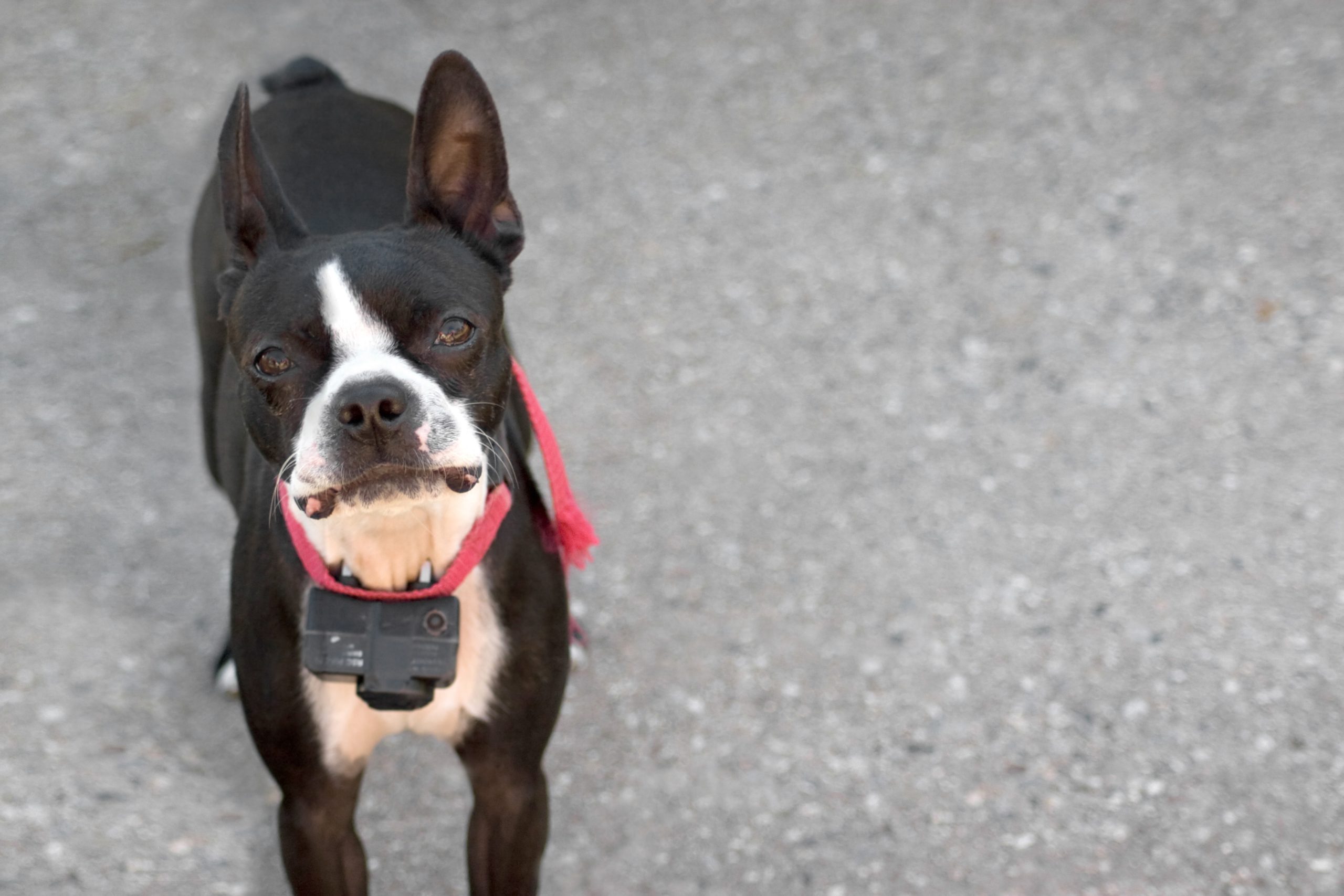
* Do not leave your puppy unattended while you are away from home. Puppies are curious animals and they will explore the world around them. This can be dangerous if your puppy gets out of the yard.