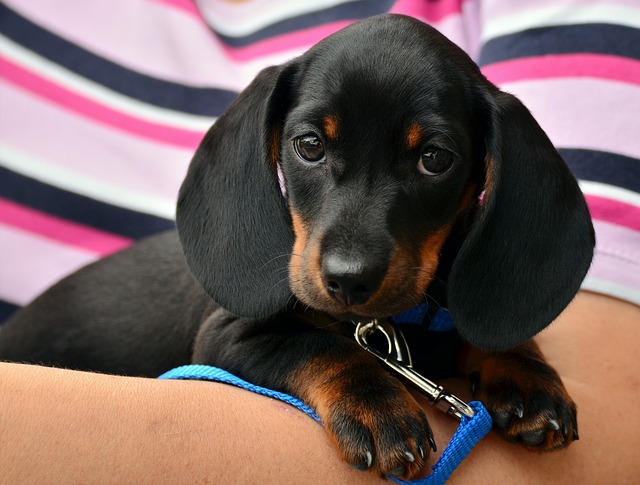
The real challenge isn't understanding mastering the art of stopping your puppy from chasing: effective techniques revealed — it's what happens when small oversights, weak priorities, or real-world constraints start compounding.
Training a puppy to stop chasing can be a challenging yet rewarding endeavor. Many puppies are driven by their instincts to chase after moving objects, whether it’s a squirrel, a car, or even a person. This behavior not only poses a risk to the puppy but can also lead to dangerous situations for others. Therefore, addressing this behavior early is crucial for fostering a safe and well-adjusted pet.
Common mistakes in training often stem from misunderstanding the root cause of the chasing instinct. Many owners may inadvertently reinforce this behavior by reacting with excitement when their puppy chases or catches something. It’s essential to recognize that while chasing is a natural instinct, it is our responsibility to guide them toward acceptable behaviors. Prioritizing consistent training methods and understanding your puppy’s needs will lead to more effective outcomes.
Understanding Puppy Instincts
Puppies are naturally curious and energetic, often driven by their instincts to chase. This behavior can be traced back to their ancestral roots, where chasing prey was essential for survival. Understanding this instinct is vital for pet owners, as it allows them to approach training with empathy and insight. Recognizing that your puppy is not misbehaving but rather acting on instinct can help shape your training methods.
However, unchecked chasing can lead to dangerous situations, both for the puppy and others. It’s critical to manage this behavior before it escalates. Owners should be aware that merely scolding a puppy for chasing often fails to address the underlying instinct. Instead, redirecting this behavior through structured activities is a more effective approach.
Redirecting Energy Productively
Redirecting a puppy’s energy is essential in training them to stop chasing. Providing ample opportunities for physical and mental stimulation can significantly reduce the urge to chase. Engaging your puppy in activities such as fetch, tug-of-war, or agility training can help channel their energy into more productive outlets.
It’s also beneficial to incorporate interactive toys that encourage problem-solving. Activities that keep your puppy’s mind engaged can distract them from the urge to chase. Consider incorporating regular exercise into their daily routine, as a tired puppy is less likely to engage in chasing behavior.
- Structured playtime with other dogs
- Regular walks in a controlled environment
- Interactive puzzle toys to stimulate their mind
Establishing Consistent Commands
Establishing a set of consistent commands is crucial in training your puppy to stop chasing. Commands such as “leave it,” “come,” and “stay” can be taught during training sessions and reinforced during walks or playtime. Consistency is key; using the same commands and tone of voice helps your puppy understand what is expected of them.
When teaching these commands, ensure that you practice in various environments to help your puppy generalize the commands. Start in low-distraction areas and gradually introduce more distractions as they become more proficient. This approach prepares them for real-world scenarios where chasing may occur.
Using Positive Reinforcement
Positive reinforcement is one of the most effective training methods for puppies. Rewarding your puppy with treats, praise, or playtime when they respond correctly to commands can encourage them to repeat the desired behavior. This method builds a positive association with following commands rather than chasing.
It’s important to reward immediately after the desired behavior occurs to help your puppy make the connection. If they begin to chase but respond to your command, reward them for stopping. This reinforces the idea that good things happen when they listen to you.
When to Seek Professional Help
If you find that your puppy’s chasing behavior is persistent or escalating, it may be time to seek professional help. A certified dog trainer or behaviorist can provide tailored strategies and insights that cater specifically to your puppy’s needs. They can also help identify any underlying behavioral issues that may contribute to the chasing instinct.
Professional guidance can be particularly beneficial for first-time dog owners who may feel overwhelmed. Investing in training can lead to long-term success and a harmonious relationship with your puppy.
Further Reading
Authoritative Sources
- Dog Chasing Cat: How to Stop This Behavior
bestfriends.orgAs soon as your dog looks away from the cat, praise them and offer a treat. Repeat every time your dog ignores the cat. Your dog will learn that whenever they …
- Training a Puppy to Stop Chasing Little Dogs
doggoneproblems.comIn this Omaha puppy training session we worked with Halo a nine-month-old German Shepherd puppy who needed help to stop chasing little dogs …
- How to Teach Your Dog to Stop Chasing Other Animals
greenlinpetresorts.comProvide your dog with mental and physical exercise, give them appropriate outlets for their energy, and work on training them to 'stop,' 'stay,' …
- How to Train Your Dog Not to Chase
thesprucepets.comDistract your dog with a food reward, praising it for not chasing. If your dog starts getting agitated (whining, growling), turn away and walk …
- Q & A: How Can I Stop My Dog From Chasing Cars?
thrivingcanine.comStart with low level distractions and use plenty of praise and rewards. If she gets distracted use a light leash pop to bring her attention back …
- Ready.gov
ready.govOfficial U.S. preparedness guidance, checklists, and planning resources for households and emergencies.
- FEMA
fema.govFederal emergency management resources, disaster planning information, and recovery guidance.
Frequently Asked Questions
What should I do if my puppy chases cars?
If your puppy chases cars, it’s vital to keep them on a leash in areas with traffic. Redirect their focus to safer activities and consider professional training to address this behavior.
How long does it take to train a puppy to stop chasing?
Training duration varies based on the puppy’s age, breed, and previous experiences. Consistent training and reinforcement can lead to noticeable improvements within weeks.
Can all puppies be trained to stop chasing?
Most puppies can be trained to reduce chasing behavior, but some breeds may have a stronger instinct. Understanding your puppy’s needs is crucial for effective training.
Is it too late to train an older puppy?
It’s never too late to train a puppy, regardless of age. Older puppies may require more patience, but they can still learn to manage chasing behavior.
What are some signs my puppy is about to chase?
Signs include focused attention on a moving object, heightened energy, and a change in posture. Recognizing these signs can help you intervene before they chase.
Conclusion
Training your puppy to stop chasing is a vital step in ensuring their safety and the safety of others. By understanding their instincts, redirecting their energy, establishing consistent commands, and using positive reinforcement, you can effectively manage this behavior. If challenges persist, don’t hesitate to seek professional help. Prioritize training as an ongoing process, and your efforts will lead to a well-behaved and happy companion.