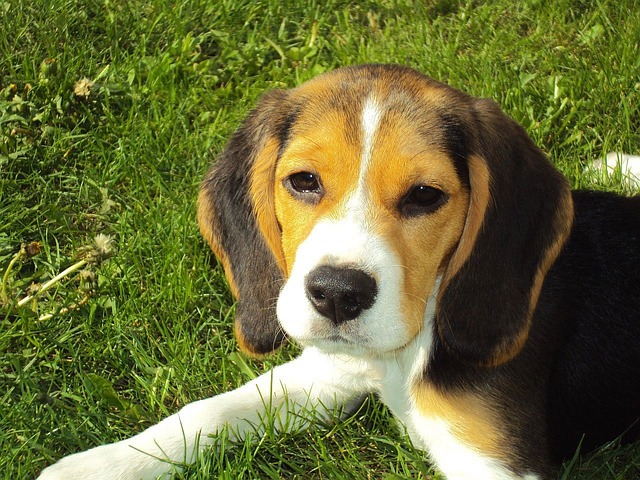
Training a puppy to remain calm around guests is essential for a harmonious home environment. The foundation of this training lies in early socialization, which helps puppies learn to interact positively with various people and situations.
Understanding your puppy’s triggers is crucial. Some puppies may react fearfully or excitably to new people, leading to jumping, barking, or other unwanted behaviors. Recognizing these triggers allows you to manage the environment effectively. For instance, if your puppy tends to bark at new visitors, consider practicing controlled introductions where the guest remains calm and does not engage with the puppy until they are settled. This method helps your puppy associate guests with positive experiences rather than stress.
Many owners mistakenly assume that their puppy will naturally adjust to visitors without guidance. In reality, this can lead to reinforcement of anxious or hyperactive behaviors. Prioritize creating a calm atmosphere by controlling the space where introductions occur. Having a designated area, such as a crate or a quiet room, can serve as a retreat for your puppy if they feel overwhelmed. Starting training in a low-stress environment and gradually increasing the complexity of interactions can lead to better long-term results.
The Importance of Early Socialization
Early socialization is crucial in a puppy’s development, as it exposes them to different environments, people, and experiences. This exposure helps reduce anxiety and fear in adulthood. Puppies should be introduced to various sounds, sights, and smells, as well as different types of people, including children and individuals wearing hats or sunglasses.
Socializing your puppy with controlled interactions can foster positive associations with guests. For example, invite friends over who are willing to help with the training process. Ensure that these interactions are short and enjoyable, gradually extending the duration as your puppy becomes more comfortable. The goal is to create a positive experience that reinforces calm behavior.
Many owners overlook the significance of this early stage, thinking their puppy will learn naturally. However, without proper socialization, puppies may develop fear or aggression towards unfamiliar people, making training more challenging later on. Prioritize early socialization to set a solid foundation for calm interactions with guests.
Positive Reinforcement Techniques
Positive reinforcement is one of the most effective methods for training puppies to stay calm around guests. This technique involves rewarding your puppy for desired behaviors rather than punishing them for unwanted ones. Use treats, praise, and playtime to reinforce calmness during guest interactions.
For instance, when a guest arrives, have your puppy sit and stay before allowing them to greet the visitor. Reward your puppy with a treat or praise when they remain calm. This not only teaches them what behavior is expected but also helps them associate guests with positive outcomes.
Many owners make the mistake of waiting until their puppy misbehaves to correct them. Instead, focus on rewarding calm behavior consistently. This proactive approach promotes a positive learning environment and encourages your puppy to repeat the desired behavior.
Recognizing and Managing Triggers
Identifying what causes your puppy to become anxious or overly excited is vital in training them to stay calm around guests. Common triggers include loud voices, sudden movements, or even the smell of unfamiliar people. Understanding these triggers allows you to create a plan to manage your puppy’s reactions effectively.
To help your puppy cope, start by desensitizing them to these triggers in a controlled manner. For example, play recordings of doorbells or voices at a low volume while rewarding calm behavior. Gradually increase the volume as your puppy becomes more comfortable. This process helps your puppy learn that these triggers do not necessarily indicate a threat or an event requiring excitement.
Many owners underestimate the importance of managing their puppy’s environment. Having guests enter through a different door or using barriers such as baby gates can help control the situation. By creating a calm entry environment, you can reduce anxiety and promote positive interactions.
Common Mistakes to Avoid
When training a puppy to stay calm around guests, several common mistakes can hinder progress. One major error is allowing guests to overwhelm the puppy with attention immediately upon arrival. This can lead to overstimulation and reinforce hyperactive behavior. Instead, instruct guests to ignore the puppy until they are calm.
Another mistake is inconsistency in training methods. If some family members allow the puppy to jump or bark at guests while others correct the behavior, the puppy will become confused about what is expected. Consistency across all interactions is crucial for effective training.
Finally, many owners fail to recognize the importance of patience. Training takes time, and expecting immediate results can lead to frustration. Celebrate small victories and remain committed to the process. Understanding that setbacks are a natural part of training will help maintain a positive attitude and encourage continued progress.
Further Reading
Authoritative Sources
- AKC Puppy Training Tips
akc.orgThis resource provides comprehensive tips and techniques for effective puppy training, including socialization strategies
- ASPCA Puppy Training
aspca.orgLearn about the importance of training and socialization for puppies from a recognized authority on animal welfare
Frequently Asked Questions
How long does it take to train a puppy to stay calm around guests?
The time it takes varies by puppy, but consistent training can show results in a few weeks to a few months.
What should I do if my puppy barks at guests?
Redirect their attention by asking them to sit and rewarding calm behavior. Gradually expose them to guests in controlled settings.
Can I use negative reinforcement in training?
While some negative reinforcement can be effective, positive reinforcement is generally more effective and fosters a better relationship.
How can I help my puppy feel safe around guests?
Provide a safe space for your puppy to retreat to when they feel overwhelmed, such as a crate or a quiet room.
What if my puppy continues to misbehave around guests?
Consider consulting a professional trainer for tailored strategies and support to address persistent behavior issues.
Conclusion
Training a puppy to stay calm around guests requires patience, consistency, and understanding of their triggers. By prioritizing early socialization, using positive reinforcement, and recognizing common mistakes, you can foster a well-behaved and confident puppy. Remember to create a calm environment for introductions and reinforce desired behaviors consistently. With dedication and the right techniques, your puppy will learn to enjoy the presence of guests without anxiety or overexcitement.