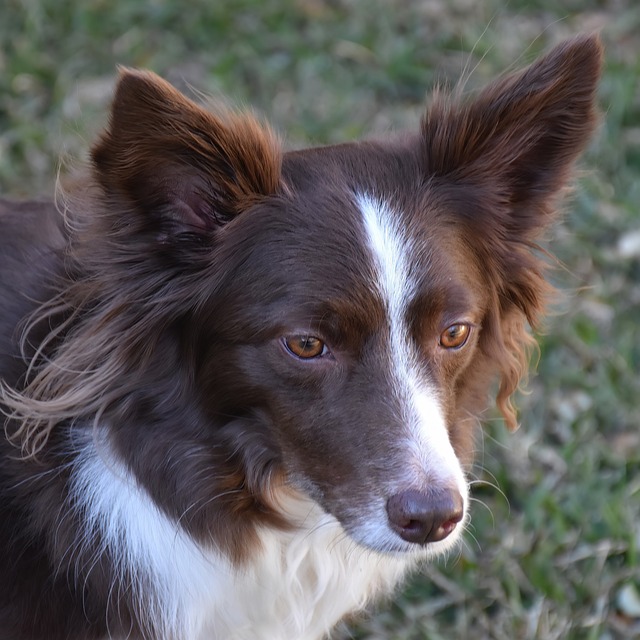
The real challenge isn't understanding calmness unleashed: a comprehensive guide on how to train a puppy to stay calm around guests — it's what happens when small oversights, weak priorities, or real-world constraints start compounding.
Training a puppy to stay calm around guests is crucial for maintaining a peaceful home environment. It not only helps your puppy feel secure but also ensures that your guests have a pleasant experience. Many owners underestimate the importance of early socialization and consistent behavior management, leading to anxiety in their pets during unfamiliar situations.
The stakes are high: a poorly trained puppy can create chaos when guests arrive, leading to stress for both the pet and the owner. Common mistakes include exposing the puppy to too many guests too soon or failing to establish a clear training routine. Understanding the nuances of your puppy’s behavior and addressing them with patience and strategy can make all the difference.
Understanding Your Puppy’s Behavior
Recognizing the signs of anxiety or excitement in your puppy is the first step in training them to stay calm around guests. Puppies may bark, jump, or exhibit destructive behavior when they feel overwhelmed. Understanding these triggers allows you to tailor your training approach effectively.
Many owners mistakenly believe that simply exposing their puppy to more people will help. However, without proper guidance, this can lead to increased anxiety. Instead, focus on identifying specific situations that trigger your puppy’s excitement and work on desensitizing them gradually.
Establishing a Calm Environment
Creating a tranquil space for your puppy is vital. This means setting up a designated area where your puppy can retreat when guests arrive. Use comfortable bedding, toys, and calming scents to make this space inviting. Ensuring that your puppy feels secure in their environment is crucial for their overall demeanor.
Many owners overlook the importance of their own behavior. If you are anxious or excited when guests arrive, your puppy will pick up on that energy. Practice staying calm and composed, which will model the behavior you want your puppy to emulate.
Positive Reinforcement Techniques
Using positive reinforcement is one of the most effective methods for training your puppy. Rewarding calm behavior with treats, praise, or playtime encourages your puppy to repeat those behaviors. Timing is critical; rewards should be given immediately following the desired behavior to reinforce the connection.
A common pitfall is inadvertently rewarding unwanted behavior. For example, if you give attention to your puppy when they bark at guests, you are reinforcing that behavior. Be consistent in your rewards and ensure that they are only given for calmness.
Gradual Exposure to Guests
Introducing your puppy to guests should be a gradual process. Start by having friends or family visit when your puppy is calm and relaxed. Allow your puppy to observe guests from a distance before bringing them closer. This helps your puppy acclimate without feeling overwhelmed.
Many owners rush this process, leading to setbacks. Take your time and remain patient. If your puppy shows signs of anxiety, take a step back and reinforce calm behavior before proceeding. Consistency and patience are key to successful training.
Further Reading
Authoritative Sources
- AKC Puppy Training Tips
akc.orgThis resource provides a comprehensive overview of effective puppy training techniques and tips for new pet owners
- Humane Society: Training Your Puppy
humanesociety.orgOffers insights on positive reinforcement and socialization strategies to help your puppy thrive
Frequently Asked Questions
What age should I start training my puppy?
Start training your puppy as early as 8 weeks old to establish good habits and socialization skills.
How long does it take to train a puppy to stay calm around guests?
Training duration varies by puppy; expect several weeks to months for significant progress, depending on consistency and exposure.
What should I do if my puppy misbehaves around guests?
Should I ignore my puppy when they bark at guests?
Redirect their attention to a toy or command. Ignoring can reinforce barking behavior, so focus on calmness instead.
Can I use training aids like calming sprays?
What is the best way to introduce my puppy to new people?
Calming sprays can help, but combine them with training techniques. Introduce your puppy gradually and reward calm behavior.
How can I tell if my puppy is anxious around guests?
Signs include excessive barking, hiding, or destructive behavior. Observe body language for indicators of stress.