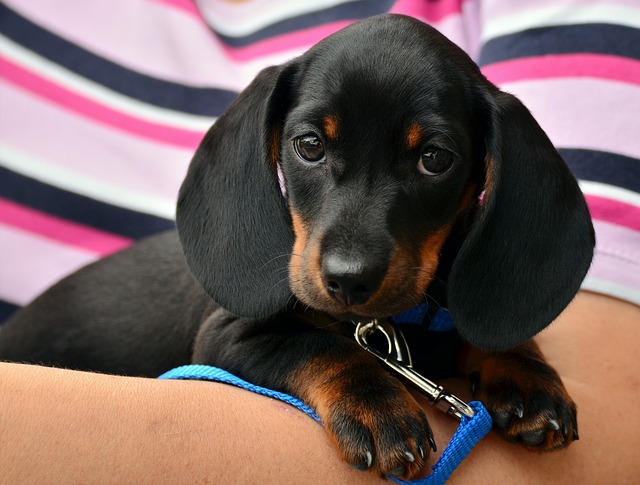
Training a puppy to sit and stay is a foundational skill that not only enhances obedience but also builds a strong bond between you and your pet. To successfully teach these commands, it requires clear, consistent communication, positive reinforcement, and a deep understanding of your puppy’s behavior.
One of the most common mistakes owners make is expecting immediate results. Puppies are learning, and each one progresses at their own pace. It’s crucial to maintain patience and keep training sessions short and engaging. Additionally, using treats or praise effectively can significantly enhance your puppy’s motivation to learn.
Another aspect to consider is the environment in which you train. Begin in a quiet space with minimal distractions to help your puppy focus on your commands. As they become more proficient, gradually introduce distractions to reinforce their training in various settings.
Understanding the Basics of Sit and Stay
The commands ‘sit’ and ‘stay’ are essential for any dog owner. ‘Sit’ is often the first command taught because it is simple and lays the groundwork for further training. To teach ‘sit’, hold a treat above your puppy’s nose and move it back over their head. As they look up, their bottom will naturally lower to the ground, allowing you to say the command and reward them immediately.
Once your puppy understands ‘sit’, you can introduce the ‘stay’ command. This command requires your puppy to remain in place until you release them. Start by having them sit, then take a few steps back, and say ‘stay’. If they remain seated, reward them. Gradually increase the distance and duration before releasing them with a cue such as ‘okay’.
Training requires consistency. Use the same commands and cues each time to avoid confusing your puppy. Additionally, practicing in short, frequent sessions helps keep your puppy engaged and reinforces learning.
Step-by-Step Training Techniques
To effectively train your puppy to sit and stay, you should follow a structured approach. Begin with the ‘sit’ command by using a treat to guide them into position. Once they sit, use a clear, firm voice to say ‘sit’ and reward them immediately. Repeat this several times until they associate the command with the action.
Next, introduce the ‘stay’ command. Start with your puppy in a sitting position. Step back a few feet, and say ‘stay’ while holding your hand up as a visual cue. If they remain in place, reward them. If they move, gently guide them back to the original spot and try again. Gradually increase the distance and duration of the ‘stay’ command.
Always ensure that training sessions are positive experiences. End each session on a high note with praise or playtime, even if your puppy hasn’t mastered the commands yet. This positive reinforcement helps them look forward to training.
Common Mistakes to Avoid
One frequent error is inconsistency in commands. Using different words or tones can confuse your puppy, making it harder for them to learn. Stick to the same commands during training sessions. Another mistake is not providing enough reinforcement. If a puppy doesn’t receive praise or treats for following commands, they may lose motivation.
Additionally, many owners rush the training process. Puppies need time to process commands and learn. If you push them too hard or expect immediate results, it can lead to frustration for both you and your puppy. It’s important to set realistic expectations and be patient.
Finally, neglecting to practice in various environments can hinder your puppy’s ability to respond to commands in real-world situations. Always try to train in different locations with varying levels of distraction to prepare your puppy for everyday scenarios.
Troubleshooting Training Challenges
If you encounter challenges during training, it’s important to assess the situation. If your puppy struggles to sit or stay, consider their energy levels. A tired puppy may be less likely to focus, so ensure they have had enough physical activity before training sessions.
Another factor to evaluate is the training environment. Too many distractions can overwhelm a puppy. Start in a quiet space and gradually increase distractions as they improve. If your puppy consistently breaks the ‘stay’ command, reduce the duration or distance until they successfully master it.
Lastly, if your puppy seems uninterested or frustrated, change your approach. Incorporate play into training, use higher-value treats, or take breaks to keep sessions enjoyable.
Further Reading
Authoritative Sources
- American Kennel Club
akc.orgTrusted dog training, behavior, breed, and puppy care guidance.
- American Veterinary Medical Association
avma.orgVeterinary guidance and animal health resources from a major professional association.
- ASPCA Pet Care
aspca.orgAnimal care, behavior, and safety resources for pet owners.
- Merck Veterinary Manual
merckvetmanual.comDetailed veterinary reference material on animal conditions, care, and treatment topics.
- AAHA for Pet Owners
aaha.orgPet owner guidance from the American Animal Hospital Association.
Frequently Asked Questions
How long does it take to train a puppy to sit and stay?
Training a puppy to sit and stay can take anywhere from a few days to several weeks, depending on the puppy’s age, breed, and prior training experience.
What should I do if my puppy won’t stay?
If your puppy struggles with staying, reduce the distance and duration of the command until they can successfully stay for short periods.
Can I train my puppy without treats?
Yes, you can use praise, toys, or playtime as rewards instead of treats, but many puppies respond better to food rewards initially.
What age is best to start training my puppy?
You can start training your puppy as early as 7-8 weeks old, focusing on basic commands like sit and stay.
How often should I train my puppy?
Short, frequent training sessions of about 5-10 minutes, 2-3 times a day, are most effective for puppies.
Conclusion
Training your puppy to sit and stay is an essential part of their development and your relationship. Focus on consistency and positive reinforcement, and be patient as your puppy learns. Remember to practice in various environments to ensure reliability. By avoiding common mistakes and troubleshooting challenges effectively, you can set your puppy up for success in their training journey.