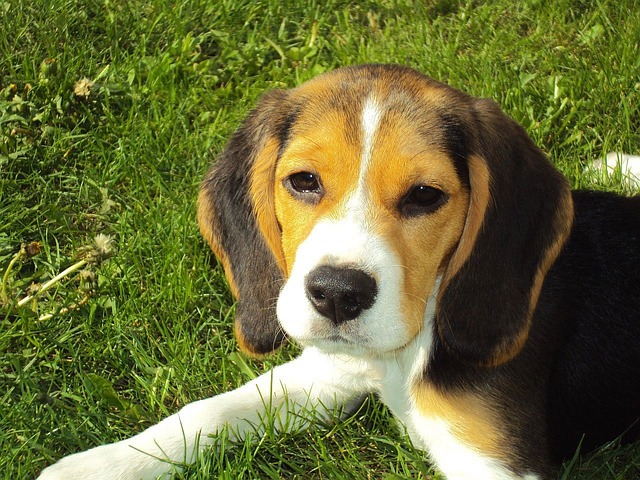
Training a puppy to go potty outside involves establishing a consistent schedule, using positive reinforcement, and being patient. Start by taking your puppy outside frequently, especially after meals or naps, and reward them immediately when they go potty in the right spot.
Establishing a routine is crucial for success. Puppies thrive on predictability, so take them out at regular intervals, such as every two hours, and after specific events like eating, drinking, or playing. If you notice your puppy sniffing or circling, it’s a sign they need to go outside. Consistency helps your puppy learn when and where it’s appropriate to relieve themselves.
Understanding Your Puppy’s Needs
Every puppy is unique, and understanding their individual needs is key to effective potty training. Factors such as breed, age, and previous experiences can influence how quickly they adapt to going outside. Puppies typically have small bladders and need to relieve themselves more frequently than adult dogs. Recognizing these needs can help you tailor your training approach.
For instance, small breeds may require more frequent potty breaks due to their size. Additionally, puppies under six months old may not have full control over their bladder yet, so accidents are common. Being patient and understanding your puppy’s limitations will foster a positive training environment.
Creating a Potty Schedule
A well-structured potty schedule is essential for training success. Aim to take your puppy out first thing in the morning, after meals, after play sessions, and before bedtime. This routine not only helps prevent accidents indoors but also reinforces the behavior you want to encourage.
Incorporate a designated potty area outside to help your puppy associate that specific spot with relieving themselves. Consistency in location will aid in their understanding. If your puppy doesn’t go after a few minutes, take them back inside and try again in 10-15 minutes. This prevents them from developing a habit of playing outside instead of focusing on the task at hand.
Using Positive Reinforcement
Positive reinforcement is one of the most effective training methods. Whenever your puppy successfully goes potty outside, immediately reward them with praise, treats, or playtime. This reinforces the behavior and encourages them to repeat it in the future.
Be careful not to punish your puppy for accidents inside, as this can create fear and confusion. Instead, focus on rewarding the desired behavior and redirecting them to the appropriate potty area if an accident occurs. Over time, your puppy will learn to associate going potty outside with positive outcomes.
Common Challenges and Solutions
Despite your best efforts, challenges may arise during potty training. One common issue is regression, where a puppy who was previously trained starts having accidents again. This can happen due to stress, changes in environment, or health issues. If this occurs, reassess your routine and consult a veterinarian if necessary.
Another challenge is inclement weather. Many puppies are reluctant to go outside in rain or snow. In such cases, encourage them with treats or toys, and be patient. Gradually, they will learn that going outside is necessary regardless of the weather. Always remember that consistency and patience are key components in overcoming these challenges.
Further Reading
Authoritative Sources
- MedlinePlus
medlineplus.govConsumer-friendly medical and health information from the U.S. National Library of Medicine.
- National Institutes of Health
nih.govResearch-based health information and links to authoritative medical resources.
- Centers for Disease Control and Prevention
cdc.govOfficial public health guidance, prevention resources, and topic-specific recommendations.
- Mayo Clinic
mayoclinic.orgTrusted clinical guidance, symptom explainers, and treatment overviews.
- World Health Organization
who.intGlobal health guidance, fact sheets, and evidence-based public health information.
Frequently Asked Questions
What is the best age to start potty training a puppy?
The best age to start potty training a puppy is around 8 weeks old. At this age, they begin to learn about their bodily functions and can start associating outdoor potty breaks with positive reinforcement.
How long does it take to potty train a puppy?
It typically takes 4 to 6 months to fully potty train a puppy, but this can vary based on the individual dog and the consistency of training efforts.
What should I do if my puppy has an accident inside?
If your puppy has an accident inside, clean it up thoroughly to eliminate the scent and avoid punishing them. Instead, redirect them to the appropriate potty area next time.
Can I train my puppy to use puppy pads instead of going outside?
Yes, you can train your puppy to use puppy pads, but keep in mind that this may complicate transitioning them to going outside later. Consistency and clear communication are key.
What are signs that my puppy needs to go potty?
Signs that your puppy needs to go potty include sniffing around, circling, whining, or going to the door. Recognizing these signs will help you take them out in time.
Conclusion
Successfully training your puppy to go potty outside requires patience, consistency, and positive reinforcement. Establishing a routine and understanding your puppy’s needs will lead to effective training. Focus on rewarding the desired behavior and addressing challenges as they arise. With time and dedication, your puppy will learn to associate outdoor potty breaks with positive experiences, making the process smoother for both of you.