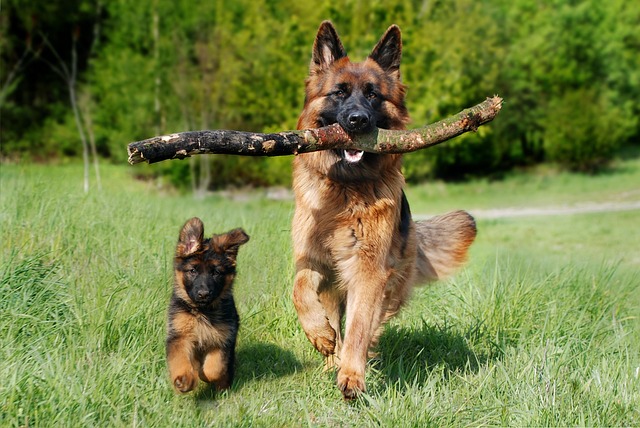
To train a puppy to come when called every time, it’s essential to establish a clear command and reinforce it with positive associations. Begin by using a specific word or phrase consistently—such as "come"—and pair it with an enticing reward like treats or affection.
Understanding the importance of timing and consistency is crucial in this training process. Puppies thrive on routine, so practice the command regularly, especially in varied environments. If a puppy fails to respond, avoid punishment; instead, reassess your approach and the distractions present. Common mistakes include not practicing in different locations, using the command in negative contexts, or failing to reward the puppy adequately for coming. Prioritize making the experience enjoyable and rewarding for the puppy.
Choosing the Right Command
Selecting an effective command is the first step in training your puppy to come when called. Choose a word that is distinct and easy to say, ensuring it doesn’t sound like other commands. This makes it easier for the puppy to differentiate between commands. Consistency in using the same word is vital; switching commands can confuse the puppy and hinder learning.
Additionally, consider the emotional tone of your voice. A happy and inviting tone can encourage your puppy to respond positively. It’s also helpful to use the command in a playful manner, such as during games, to create a positive association with coming when called.
Positive Reinforcement Techniques
Positive reinforcement is a powerful tool for training. When your puppy responds correctly to the command, immediately reward them with a treat, praise, or playtime. This reinforces the behavior and motivates the puppy to repeat it. Be sure to reward promptly so the puppy associates the action with the reward.
To enhance the effectiveness of positive reinforcement, vary the rewards. Sometimes use high-value treats, such as small pieces of chicken or cheese, and other times use verbal praise or a favorite toy. This unpredictability keeps the puppy engaged and eager to respond to the command.
Increasing Distractions Gradually
As your puppy becomes more reliable in responding to the command in a quiet environment, gradually introduce distractions. Start in your backyard, then move to a park or a busy street where other dogs and people are present. This helps the puppy learn to focus on you amid distractions.
When increasing distractions, use a long leash or a safe area to ensure the puppy remains under control while they practice. If they fail to respond, revert to a less distracting environment until they regain their confidence. This method builds their reliability in various situations.
Common Mistakes to Avoid
Many trainers inadvertently make mistakes that hinder their puppy’s ability to learn the command. One common error is calling the puppy to come when they are in trouble, such as during playtime or when they are about to do something undesirable. This creates a negative association with the command.
Another mistake is not being consistent with rewards. If a puppy occasionally receives a reward and sometimes doesn’t, they may become confused about what behavior is expected. Always reward the desired behavior to reinforce learning. Lastly, avoid using the command too frequently when the puppy is not in a position to respond, as it can dilute the command’s effectiveness.
Further Reading
Authoritative Sources
- American Kennel Club: Training Your Puppy
akc.orgThis source offers comprehensive resources on training techniques and tips specifically for puppies
- ASPCA: Dog Training Tips
aspca.orgProvides valuable insights into dog behavior and effective training methods
- PetMD: Puppy Training Basics
petmd.comOffers essential guidance on training puppies, including common challenges and solutions
Frequently Asked Questions
What is the best age to start training a puppy to come when called?
Training can begin as early as 8 weeks old, but consistent reinforcement is essential as they grow.
How often should I practice the recall command?
Practice the recall command several times a day in short sessions to keep the puppy engaged.
What should I do if my puppy doesn’t come when called?
If your puppy doesn’t come, avoid punishing them. Instead, return to a less distracting environment and try again.
Can I use a clicker for training?
Yes, a clicker can be an effective tool for marking the exact moment your puppy responds correctly.
How long will it take to train my puppy to come when called?
Training duration varies, but with consistency and patience, most puppies learn within a few weeks to months.
Conclusion
Training your puppy to come when called every time requires patience, consistency, and positive reinforcement. Focus on using a clear command, rewarding promptly, and gradually increasing distractions to ensure reliability. Avoid common mistakes that can hinder learning, and remember that every puppy is unique—some may take longer than others to master the command. By prioritizing a positive training experience, you’ll strengthen your bond and ensure your puppy responds consistently.